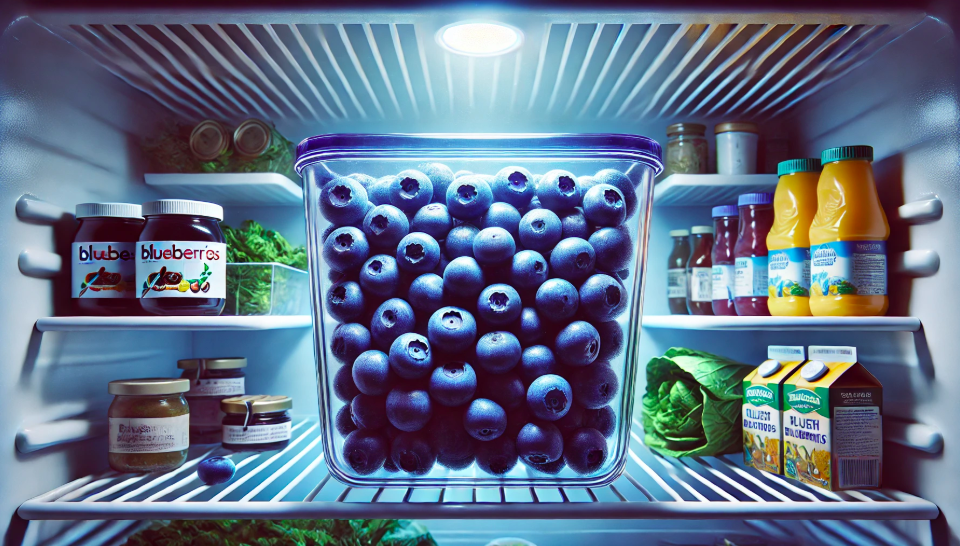
Fresh blueberries usually last about 10 to 14 days when kept in the fridge. The key to maintaining their freshness is proper storage. Blueberries should be stored in a container with good air circulation and kept in the crisper drawer of your refrigerator. If the berries are exposed to excess moisture or stored in tightly sealed containers, they may spoil faster.
Factors Affecting The Shelf Life Of Blueberries In The Fridge
Several factors influence how long blueberries stay fresh in the fridge. Moisture is one of the biggest concerns, as wet berries can grow mold quickly. Overcrowding berries in a container can also cause bruising, making them spoil faster.
The temperature of the fridge matters too; berries last longer when stored at 32–40°F. Additionally, blueberries that are overripe when purchased will have a shorter shelf life compared to firmer ones.
Proper Storage Tips To Extend Blueberries’ Freshness
To keep blueberries fresh for as long as possible, avoid washing them before storage, as excess water can promote mold growth. Store them in a breathable container, like a vented plastic or glass container, to ensure proper air circulation.
If possible, line the container with a paper towel to absorb any moisture. Keep the blueberries in the fridge’s crisper drawer, where the humidity is controlled. Do not overcrowd the berries, as this can lead to bruising and spoilage.
Signs That Your Blueberries Have Gone Bad
Spoiled blueberries have several clear signs. Mold is one of the most obvious indicators, often appearing as white or green fuzz. If the berries feel slimy or mushy, they are no longer fresh. A sour or off smell can also indicate spoilage. Additionally, if the berries are shriveled or have a dull, faded appearance, they may have gone bad. It's best to discard any blueberries that show these signs.
Can You Freeze Blueberries To Make Them Last Longer?
Yes, freezing is an excellent way to extend the life of blueberries. To freeze them, rinse and dry the berries thoroughly, then spread them out on a baking sheet to freeze individually. Once frozen, transfer the berries to an airtight container or freezer bag. Frozen blueberries can last up to a year and are perfect for smoothies, baking, or snacking. Be sure to label the container with the date for easy tracking.
Does Washing Blueberries Before Refrigeration Affect Their Shelf Life?
Washing blueberries before storing them in the fridge can reduce their shelf life. The moisture from washing creates a favorable environment for mold growth. It’s better to wash the berries only before eating or using them. If you must wash them beforehand, ensure they are completely dry before placing them in a breathable container lined with a paper towel.
How To Use Overripe Blueberries Instead Of Wasting Them
Overripe blueberries are still useful in many recipes. They can be added to smoothies, where their soft texture blends well. Baking with overripe berries is also popular; they work wonderfully in muffins, pies, and pancakes. You can cook them down to make a simple blueberry sauce or jam. Freezing overripe berries for future use is another way to reduce waste.
Tips For Keeping Blueberries Fresh Without A Fridge
If you don’t have a fridge, you can still keep blueberries fresh for a short time. Store them in a cool, shaded area with good air circulation. Place the berries in a breathable container, like a basket or a box with small holes, to prevent moisture buildup. Avoid stacking them too deeply to reduce the risk of bruising. They may only last a few days without refrigeration, so plan to consume them quickly.
Common Mistakes To Avoid When Storing Blueberries In The Fridge
Some common mistakes can shorten the shelf life of blueberries. Washing them before storage is one of the most frequent errors, as the extra moisture promotes mold. Using a sealed container without ventilation can trap humidity, speeding up spoilage.
Storing blueberries in the fridge's back near the freezer section may expose them to overly cold temperatures, causing frost damage. Overcrowding the berries in one container can lead to bruising and faster spoilage.