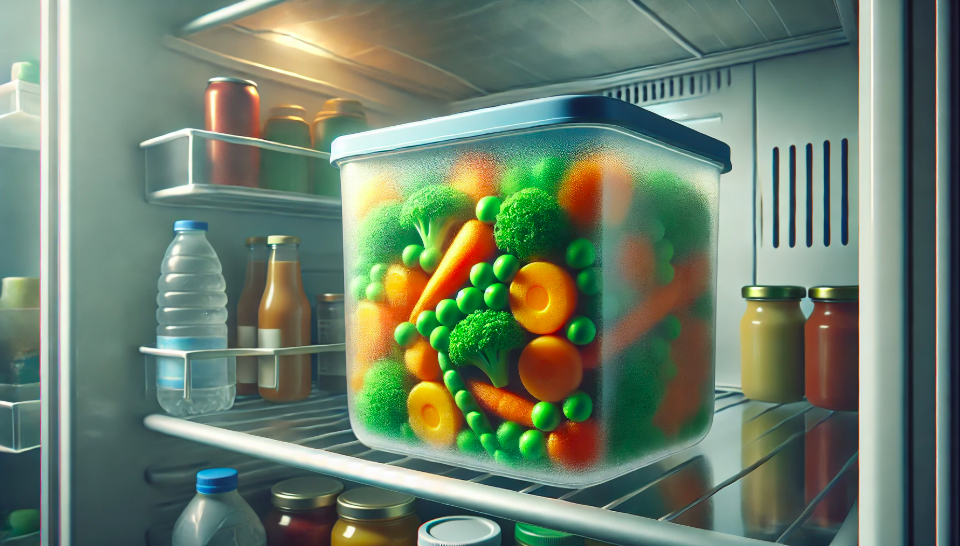
Cooked vegetables can typically be stored in the refrigerator for 3 to 7 days. The exact duration depends on the type of vegetable and how it was prepared and stored. For instance, leafy greens like spinach may spoil within three days, while heartier vegetables such as carrots and broccoli can last up to five days.
Factors That Affect The Shelf Life Of Cooked Vegetables
Several factors influence how long cooked vegetables remain safe to eat:
- Type of Vegetable: Delicate vegetables like spinach spoil faster than sturdier ones like carrots.
- Preparation Method: Cooking methods that introduce moisture, such as steaming, can reduce shelf life compared to roasting.
- Storage Conditions: Proper refrigeration at or below 40°F (4°C) is crucial. Storing vegetables in airtight containers helps maintain freshness.
- Handling Practices: Allowing cooked vegetables to cool to room temperature before refrigerating can prevent bacterial growth.
Proper Storage Tips for Cooked Vegetables in the Fridge
- Use Airtight Containers: Store vegetables in sealed containers to prevent moisture loss and contamination.
- Cool Before Refrigerating: Let cooked vegetables cool to room temperature within two hours before placing them in the fridge.
- Label and Date: Mark containers with the date of preparation to keep track of storage time.
- Avoid Overcrowding: Ensure there's enough space in the fridge for air circulation, which helps maintain consistent temperatures.
Signs That Cooked Vegetables Have Gone Bad
Consuming spoiled vegetables can lead to foodborne illnesses. Signs that cooked vegetables have spoiled include:
- Off Odors: A sour or unpleasant smell indicates spoilage.
- Mold Growth: Visible mold spots are a clear sign of contamination.
- Slimy Texture: A slimy or mushy texture suggests the vegetables are no longer safe to eat.
- Discoloration: Unusual color changes, such as darkening, may indicate spoilage.
Difference Between Refrigerating and Freezing Cooked Vegetables
Refrigeration and freezing are both methods to preserve cooked vegetables, but they differ in several ways:
- Shelf Life: Refrigerated cooked vegetables last 3 to 7 days, while frozen ones can last up to 10-12 months.
- Texture and Quality: Freezing can alter the texture of some vegetables, making them softer upon thawing.
- Convenience: Freezing allows for longer storage, which is beneficial for meal planning and reducing food waste.
- Energy Consumption: Freezing requires more energy than refrigeration, which may be a consideration in some households.
Can You Extend the Shelf Life of Cooked Vegetables?
Yes, you can extend the shelf life of cooked vegetables by:
- Freezing: Properly frozen cooked vegetables can last up to 10-12 months.
- Proper Storage: Using airtight containers and ensuring the refrigerator is at the correct temperature can help maintain freshness.
- Avoiding Cross-Contamination: Store cooked vegetables separately from raw meats to prevent bacterial growth.
What Happens If You Eat Spoiled Cooked Vegetables?
Eating spoiled cooked vegetables can lead to foodborne illnesses, with symptoms such as:
- Nausea and Vomiting: The body's response to toxins produced by bacteria.
- Diarrhea: A common symptom of food poisoning.
- Stomach Cramps: Discomfort due to inflammation of the stomach lining.
- Fever: A sign of infection.
It's important to practice proper food storage and handling to minimize these risks.
Common Mistakes to Avoid When Storing Cooked Vegetables
- Leaving Food Out Too Long: Avoid leaving cooked vegetables at room temperature for more than two hours.
- Not Using Airtight Containers: Storing vegetables in open containers can lead to contamination and spoilage.
- Overcrowding the Refrigerator: This can prevent proper air circulation and temperature regulation.
- Not Labeling Containers: Without labels, it's easy to forget when the vegetables were cooked, leading to potential consumption of spoiled food.
- Reheating Multiple Times: Repeated reheating can increase the risk of bacterial growth.