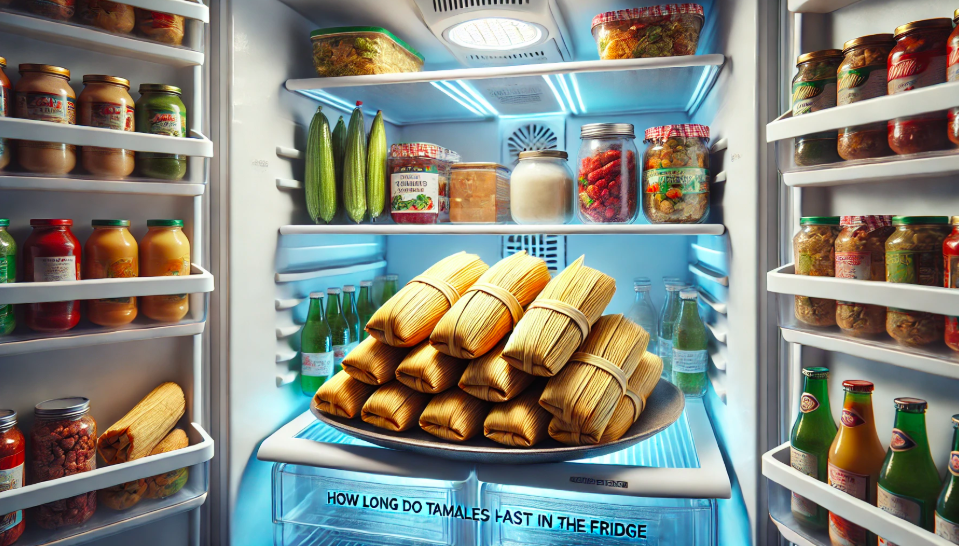
Tamales can be stored in the refrigerator for up to one week. To keep them fresh, wrap each tamale individually in plastic wrap or aluminum foil, then place them in an airtight container or a heavy-duty resealable plastic bag. This method helps prevent moisture loss and protects them from absorbing other odors in the fridge.
If you don't plan to eat them within a week, consider freezing tamales. When properly stored, they can last in the freezer for 3 to 6 months. Always store tamales in the refrigerator within two hours of cooking or purchasing to prevent the growth of harmful bacteria.
Factors That Affect The Shelf Life Of Tamales
The shelf life of tamales depends on several factors, including the ingredients used, preparation methods, and storage conditions.
Ingredients: Tamales filled with meats like beef or chicken may spoil faster than those with vegetarian fillings due to the perishable nature of meat.
Preparation Methods: Proper cooking and handling are crucial. Tamales should be cooked to the right internal temperature to prevent bacterial growth. Additionally, cooling tamales to room temperature before refrigerating helps avoid raising the fridge's internal temperature, which could affect other stored foods.
Storage Conditions: Refrigerated tamales can last up to 5 to 7 days. To maintain freshness, store them in airtight containers or wrap them tightly in plastic wrap or aluminum foil. For longer storage, freezing is an excellent option; tamales can be frozen for up to 6 months.
Signs of Spoilage: Before consuming stored tamales, check for any visible mold, discoloration, sour or off-putting odors, or unusual textures. If any of these signs are present, it's best to discard them to avoid foodborne illnesses.
Proper Storage Tips For Keeping Tamales Fresh
To keep your tamales fresh and flavorful, follow these storage and reheating guidelines:
Storing Cooked Tamales:
- Refrigeration: After cooking, allow tamales to cool completely. Wrap each tamale individually in aluminum foil or wax paper to prevent drying and to avoid absorbing other odors. Place them in an airtight container or a resealable plastic bag. Stored this way, cooked tamales can last in the refrigerator for up to 5 to 7 days.
- Freezing: For longer storage, freezing is ideal. Once cooled, wrap tamales in aluminum foil and place them on a baking sheet in the freezer. After a few hours, transfer them to a freezer-safe bag or container. Properly stored, tamales can remain in the freezer for up to 6 months.
Storing Uncooked Tamales:
- Refrigeration: If you plan to cook tamales within 1 to 2 days, store them in the refrigerator. Arrange them standing up in a container, cover with plastic wrap or aluminum foil, and ensure they are not overcrowded to prevent the masa from spilling out.
- Freezing: For longer storage, freeze uncooked tamales. Wrap each tamale in plastic wrap or aluminum foil, then place them in a freezer-safe bag or container. Uncooked tamales can be stored in the freezer for up to 6 months.
Reheating Tamales:
- Steaming: The best method to reheat tamales is by steaming. Place them in a steamer basket over boiling water, cover, and steam for about 10-15 minutes until heated through.
- Microwave: Wrap tamales in a damp paper towel and microwave in 30-second intervals, flipping occasionally, until hot.
- Oven: Wrap tamales in aluminum foil and heat in a preheated oven at 350°F (175°C) for 15-20 minutes.
How To Tell If Tamales Have Gone Bad
To determine if tamales have spoiled, look for these signs:
- Unpleasant Odor: A sour or rancid smell indicates bacterial spoilage.
- Visible Mold: Any mold growth, regardless of color, makes tamales unsafe to eat.
- Discoloration: If the tamales have changed color or developed dark spots, they may be spoiled.
- Slimy Texture: A slimy or sticky surface suggests bacterial growth.
- Off Taste: If the tamales taste sour or unusual, it's best to discard them.
If you notice any of these signs, it's safest to throw the tamales away to avoid foodborne illness.
Can You Freeze Tamales For Longer Storage?
Yes, you can freeze tamales to store them for a longer period. Here's how to do it:
- Cool the Tamales: After steaming, let the tamales cool to room temperature. This prevents condensation inside the storage container, which can lead to freezer burn.
- Wrap and Pack: Wrap each tamale individually in plastic wrap or aluminum foil. Then, place them in a freezer-safe bag or airtight container. Removing as much air as possible helps maintain quality.
- Label and Date: Label the package with the date to keep track of storage time.
Storage Duration:
- Meat Tamales: Store in the freezer for up to 1-2 months.
- Non-Meat Tamales: Store in the freezer for up to 6 months.
Reheating Frozen Tamales:
- Steaming: Place frozen tamales in a steamer and heat for about 20 minutes, or until heated through.
- Microwave: Wrap a frozen tamale in a damp paper towel and microwave on high for 1-2 minutes.
Reheating Tamales: Best Methods To Preserve Freshness
To reheat tamales while preserving their freshness, consider the following methods:
1. Steaming:
Traditional Method: Place tamales in a steamer basket over simmering water. Cover and steam for about 15-20 minutes until heated through. This method helps maintain the tamales' moisture and flavor.
2. Microwave:
Quick Option: Wrap tamales in a damp paper towel and microwave on high for 1-2 minutes. This creates steam, keeping the tamales moist. Be cautious, as microwaving can sometimes make the masa slightly chewy.
3. Oven:
Even Heating: Preheat your oven to 350°F (175°C). Wrap tamales individually in aluminum foil or place them in an oven-safe dish covered with foil. Bake for about 20-25 minutes, turning them halfway through. This method yields evenly heated tamales with a slightly crispy exterior.
4. Air Fryer:
Crispy Texture: Preheat your air fryer to 350°F (175°C). Place tamales in the basket, leaving space for air circulation. Heat for 8-10 minutes, turning halfway through. This method results in a delightful blend of soft and moist masa with a slightly crispy exterior.
5. Stovetop Skillet:
- Pan-Fried Approach: Heat a non-stick skillet over medium heat and lightly grease it. Place tamales in the skillet and cook for about 5 minutes on each side or until the masa develops a crispy exterior while remaining tender inside.
- Tips for Reheating:
- Maintain Moisture: Use a damp cloth or paper towel to wrap tamales before reheating to prevent them from drying out.
- Check Temperature: Ensure tamales are heated to an internal temperature of 165°F (74°C) before serving.
- Avoid Overheating: Reheat only once to maintain quality and prevent spoilage.
Signs Of Spoiled Tamales To Watch Out For
To ensure your tamales are safe to eat, watch for these signs of spoilage:
- Unpleasant Odor: A sour or rancid smell indicates bacterial growth.
- Visible Mold: Any mold, regardless of color, means the tamales are unsafe to consume.
- Texture Changes: A slimy or excessively dry texture suggests spoilage.
- Discoloration: Browning or darkening of the tamales may indicate spoilage.
- Off-Taste: If the tamales taste sour or bitter, discard them.
If you notice any of these signs, it's best to discard the tamales to avoid foodborne illnesses.
How To Extend The Shelf Life Of Homemade Tamales
To extend the shelf life of your homemade tamales, proper storage is essential. Here's how you can do it:
Refrigeration:
- Cooked Tamales: After steaming, allow tamales to cool to room temperature. Once cooled, place them in an airtight container or wrap them in aluminum foil or plastic wrap. Store them in the refrigerator, where they can remain fresh for up to 7 days.
- Uncooked Tamales: If you've prepared tamales but plan to cook them later, store them in the refrigerator. Arrange them standing up on a large baking sheet or in a container to prevent them from flattening. Cover them with plastic wrap or aluminum foil. Uncooked tamales can be stored in the fridge for about 3 to 4 days. It's best to cook them within this timeframe to ensure optimal freshness.
Freezing:
- Cooked Tamales: For longer storage, freezing is an excellent option. Once cooled, wrap each tamale individually in plastic wrap or aluminum foil. Place them in a freezer-safe container or resealable plastic bag, ensuring as much air as possible is removed to prevent freezer burn. Properly stored, cooked tamales can remain fresh in the freezer for up to 6 months.
- Uncooked Tamales: If you've prepared a large batch and want to save some for later, freezing uncooked tamales is a great option. Wrap each tamale individually in plastic wrap or aluminum foil. Place them in a freezer-safe container or resealable plastic bag. Uncooked tamales can be stored in the freezer for up to 6 months.
General Tips:
- Avoid Overcrowding: Whether refrigerating or freezing, ensure tamales are not overcrowded. This prevents them from sticking together and allows for even cooling or freezing.
- Proper Wrapping: Wrapping tamales tightly helps maintain their moisture and prevents them from absorbing other odors in the refrigerator or freezer.
- Thawing: When ready to use frozen tamales, thaw them in the refrigerator overnight before reheating.
By following these storage methods, you can enjoy your homemade tamales at their best quality for an extended period.