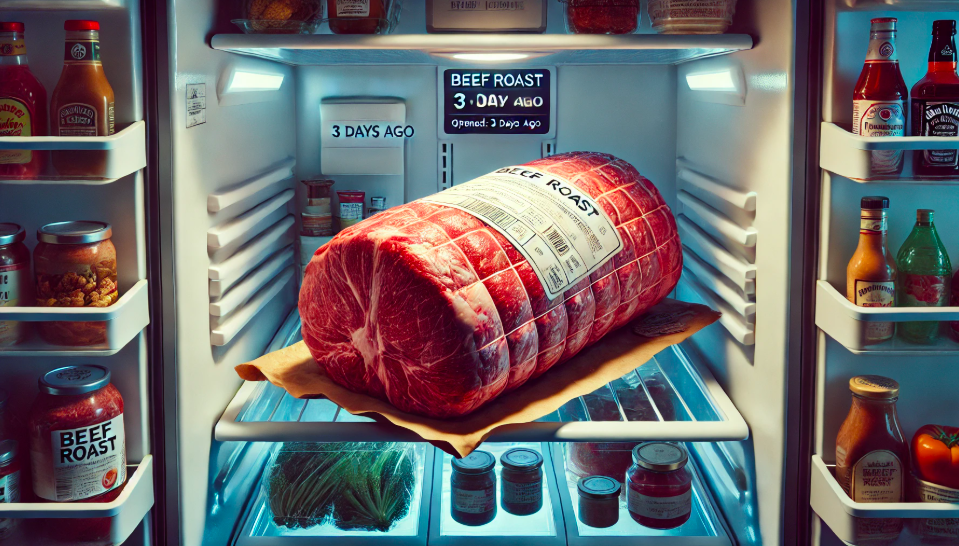
A cooked beef roast typically lasts 3 to 4 days in the fridge when stored properly. To maximize its shelf life, it's essential to refrigerate the roast within two hours of cooking, as bacteria can multiply quickly at room temperature. The roast should be wrapped tightly in plastic wrap or aluminum foil, or placed in an airtight container to prevent contamination and moisture loss. If you’re unsure whether the beef roast is still safe to eat after a few days, check for signs of spoilage, such as an off smell, slimy texture, or discoloration. If stored properly, leftover beef roast can also be frozen for up to 2 to 6 months for longer preservation.
Understanding Beef Roast Storage
Storing beef roast properly is key to keeping it fresh and safe to eat. Whether you have leftover roast or you bought it fresh, knowing how to store it correctly can help preserve its taste and texture, while also preventing foodborne illnesses. Beef roast, like all meats, needs to be kept at the right temperature and in the right conditions to avoid spoilage.
In this guide, we will cover the best methods for storing beef roast, how long it can last in different storage conditions, and tips to help you keep your roast fresh for as long as possible. All the information provided comes from trusted food safety guidelines and expert advice.
Recommended Storage Time For Cooked Beef Roast
Cooked beef roast can be stored safely in the refrigerator or freezer for different lengths of time. Here’s a breakdown:
Refrigerator Storage
- Time: 3 to 4 days
- Storage Tip: Store the roast in an airtight container or wrap it tightly in aluminum foil or plastic wrap to keep it fresh and prevent contamination.
Freezer Storage
- Time: 2 to 6 months
- Storage Tip: If you plan to keep the beef roast for a longer period, freezing is the best option. Wrap the roast tightly in freezer-safe plastic wrap, foil, or a freezer bag to prevent freezer burn.
These storage times are based on guidelines from food safety organizations such as the USDA and the FDA. Keeping cooked beef roast within these time frames helps ensure that it remains safe to eat and retains its quality. If the roast looks, smells, or tastes off, it's best to discard it, even if it’s within the recommended storage time.
How To Properly Store A Beef Roast In The Fridge
Properly storing a beef roast in the fridge helps maintain its freshness and safety. Here’s how to do it correctly:
1. Cool The Roast Before Storing
If your beef roast is cooked, let it cool down at room temperature for no more than 2 hours before putting it in the fridge. This helps avoid raising the temperature inside your fridge, which could cause bacteria to grow.
2. Wrap It Well
Whether the beef roast is raw or cooked, wrap it tightly in plastic wrap, aluminum foil, or place it in a sealed container. This helps prevent air from drying it out and protects it from contamination by other foods in the fridge.
3. Use An Airtight Container
If you have leftovers, it’s best to store them in an airtight container. This helps keep the roast fresh and prevents it from absorbing smells from other foods in the fridge.
4. Label And Date It
To keep track of how long the beef roast has been stored, label it with the date you placed it in the fridge. This will help you remember how long it’s been there.
5. Store At The Right Temperature
Your fridge should be at or below 40°F (4°C). This temperature keeps the beef roast at a safe level to avoid bacterial growth.
Can You Freeze Beef Roast For Longer Storage?
Yes, you can freeze a beef roast for longer storage. Freezing is a great way to preserve beef for future use, but there are some key things to keep in mind to ensure it stays fresh and safe.
Freezing Beef Roast: The Basics
1. Preparation: Before freezing, it’s important to prepare the beef roast properly. If it’s in its original packaging, you can leave it as is, but it’s better to wrap it in plastic wrap or aluminum foil to prevent freezer burn. You can also place it inside a freezer-safe bag or airtight container.
2. Freezer Burn: Freezer burn happens when food gets exposed to air in the freezer, causing it to dry out and lose flavor. To avoid freezer burn, make sure the beef roast is tightly wrapped and sealed.
3. Freezing Time: Beef roast can be stored in the freezer for up to 12 months for the best quality. While it may still be safe to eat after this period, it might lose its taste and texture over time.
4. Thawing: When you’re ready to cook the beef roast, the safest way to thaw it is in the refrigerator. This can take several hours or overnight, depending on the size. If you need to thaw it faster, you can also use the microwave or submerge it in cold water, but be careful not to leave it out at room temperature, as bacteria can grow quickly in warmer conditions.
5. Cooking After Freezing: After thawing, cook the beef roast within 3 to 5 days. If you notice any unusual odors or a change in color or texture, it’s best to discard it.
How To Reheat Leftover Beef Roast Safely
Reheating leftover beef roast safely is important to avoid foodborne illness and ensure it stays tasty. Here’s how to do it:
1. Store Leftovers Properly First
After your beef roast, be sure to store any leftovers in the fridge within two hours of eating. Put the roast in an airtight container or tightly wrap it in aluminum foil or plastic wrap. This will keep it safe from bacteria growth.
2. Use The Right Temperature
When reheating beef roast, always make sure it reaches a safe internal temperature of 165°F (74°C). This kills any bacteria that might have grown while the roast was stored.
3. Reheat Using The Oven Or Stove
· Oven: Preheat your oven to 350°F (175°C). Place the beef roast in an oven-safe dish and cover it with aluminum foil. Heat it for about 10-15 minutes, or until it reaches 165°F in the thickest part of the meat.
· Stovetop: You can also reheat beef roast on the stovetop. Place the beef in a skillet or pan with a little bit of water or broth to keep it moist. Cover it and heat it on medium heat until it reaches the safe temperature.
4. Microwave Reheating
If you're using a microwave, place the beef in a microwave-safe container and cover it with a microwave-safe lid or a paper towel. Microwave the beef in 1-minute intervals, checking the temperature with a food thermometer after each round until it reaches 165°F.
5. Don’t Reheat More Than Once
Once you've reheated beef roast, it’s best not to reheat it again. Reheating multiple times can increase the risk of foodborne illness.
6. Avoid Overcooking
While reheating, try not to overcook the beef. You want to warm it thoroughly without drying it out. Adding a bit of water or broth while reheating can help keep it moist and flavorful.
By following these simple steps, you can enjoy your leftover beef roast safely and keep it tasting great.
Signs Of Spoilage In Beef Roast
Here are the common signs of spoilage in a beef roast, based on reliable sources:
1. Change In Color
- Fresh beef roast is usually bright red or deep purple in color. As the beef starts to spoil, the color may change to a dull brown or gray. A slight change in color alone doesn't always mean the meat is spoiled, but it could be a sign that the meat is losing its freshness.
2. Bad Smell
- Fresh beef should have a mild, slightly metallic smell, or sometimes a slight meaty odor. Spoiled beef will give off a strong, sour, or rancid smell. If the meat smells bad, it’s best to discard it, as bad odor is a clear sign of spoilage.
3. Slimy Or Sticky Texture
- Fresh beef roast should feel firm and slightly moist to the touch. If the roast feels sticky, slimy, or tacky, it indicates bacterial growth. This is a strong sign that the meat is no longer safe to eat.
4. Off Taste
- If you cook the beef and it tastes sour or off, it is likely spoiled. Always check the beef’s smell and texture first, as taste alone is not a reliable early warning.
5. Excessive Dryness Or Hardness
- If the beef roast is overly dry or tough, especially if it hasn’t been cooked yet, it could be a sign of improper storage or spoilage. While some cuts of beef can be a little tough, excessive dryness can indicate that the meat is no longer fresh.
6. Visible Mold
- Mold growth on beef is a definite sign that it has spoiled. If you see any kind of mold (which can appear as green, white, or blue spots), discard the meat immediately.