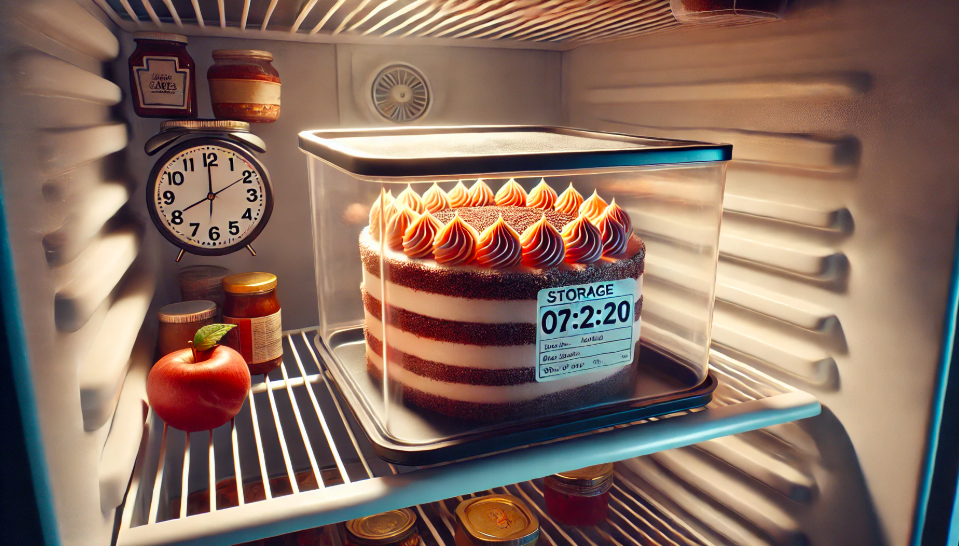
The shelf life of a cake in the fridge depends on its type and ingredients, but generally, most cakes can last for about 3 to 5 days when properly stored. Cakes with perishable fillings or frostings, such as those containing dairy, cream cheese, or whipped cream, typically last around 3 days. Cakes made with more stable ingredients, like fruit cakes or those without frosting, can often last up to 5 days.
To extend the freshness, it's important to store the cake in an airtight container or tightly wrap it in plastic wrap to prevent it from drying out or absorbing odors from other foods in the fridge. If you need to store it longer, freezing is a good option, as cakes can be frozen for up to 3 months without significant loss of quality. However, always check for signs of spoilage, such as mold or an off smell, before consuming any refrigerated cake.
How to Store Cake Properly in the Fridge for Maximum Freshness
To store cake properly in the fridge and keep it fresh, it’s important to first let the cake cool completely before placing it in the refrigerator. If a cake is still warm, it can cause condensation, making it soggy and less appetizing. Once cooled, wrap the cake tightly in plastic wrap, foil, or store it in an airtight container to keep moisture in and prevent it from absorbing any unwanted odors from the fridge.
If the cake has frosting, be gentle when wrapping it to avoid damaging the decoration. For added protection, using a cake box or cake dome is a good idea, as these are designed to keep cakes fresh without squishing the frosting. If you plan to store the cake for a longer period, freezing it is a great option. Wrap the cake well in plastic wrap and foil, then place it in a freezer-safe bag or container. Cakes can last up to three months in the freezer, and when you’re ready to eat it, simply let it thaw at room temperature.
Shelf Life of Different Cake Types in the Fridge
Here is the shelf life of different cake types in the fridge, based on reliable sources like food safety guidelines and cake storage recommendations.
1. Butter Cakes (like Pound Cake, Vanilla Cake)
- Shelf Life: 5 to 7 days
- Storage: Store in an airtight container to keep moisture in and prevent the cake from drying out.
2. Chiffon Cakes
- Shelf Life: 5 to 7 days
- Storage: Keep in a tightly sealed container in the fridge. The light texture of chiffon cakes means they can dry out quickly, so airtight storage is crucial.
3. Carrot Cake (with cream cheese frosting)
- Shelf Life: 5 to 7 days
- Storage: Carrot cake with cream cheese frosting should be refrigerated because of the perishable frosting. Keep it in an airtight container to prevent it from absorbing other smells from the fridge.
4. Sponge Cakes (like Angel Food Cake)
- Shelf Life: 5 to 7 days
- Storage: Store in an airtight container. Since sponge cakes have a light texture, they can lose moisture quickly, so proper storage is key.
Can You Freeze Leftover Cake?
Yes, you can freeze leftover cake! Freezing cake is a great way to store it for later use. Here's how to do it properly to keep the cake fresh and tasty:
How To Freeze Cake:
1. Cool the Cake First: Allow the cake to cool completely at room temperature before freezing. If it's still warm, moisture can form, which will make the cake soggy.
2. Wrap it Well: Wrap the cake tightly in plastic wrap or wax paper. If you have individual slices, you can wrap each one separately. For an extra layer of protection, you can also cover it with aluminum foil.
3. Use a Freezer Bag or Container: After wrapping, place the cake in a freezer-safe bag or container to protect it from freezer burn and keep it tasting fresh.
4. Label the Cake: Don’t forget to label the package with the date you froze it so you can keep track of how long it’s been in the freezer.
How to Revive a Refrigerated Cake Before Serving
To revive a refrigerated cake before serving and make it taste fresh again, here are some simple steps based on solid practices:
1. Bring the Cake to Room Temperature
- Why? Refrigeration can make cakes dry and firm. Letting the cake warm up helps restore its soft texture.
- How? Take the cake out of the fridge at least 30 minutes before serving. If it's a large cake, leave it for 1–2 hours to fully come back to room temperature.
2. Moisturize the Cake (If It's Dry)
- Why? Sometimes, cakes can lose moisture in the fridge, making them dry.
- How? Lightly brush the cake with a simple syrup (made with equal parts water and sugar, heated until the sugar dissolves) or a little milk to add back some moisture.
3. Reapply Frosting (If Needed)
- Why? Frosting can harden when stored in the fridge.
- How? If the frosting has become stiff, microwave it for 10–15 seconds to soften it. Stir it gently and then spread it back onto the cake for a smoother finish.
4. Warm It in the Oven (Optional)
- Why? This works well if you want to heat the cake slightly for a fresh, warm taste.
- How? Preheat your oven to 300°F (150°C). Place the cake in the oven for about 10-15 minutes. Keep an eye on it so it doesn’t dry out. Cover it with foil if needed to keep moisture in.
5. Serve with Toppings
- Why? Adding fresh toppings can enhance the cake’s taste and texture.
- How? Consider adding fresh whipped cream, fruits, or even a drizzle of chocolate or caramel sauce.
What Affects the Longevity of Cake in the Fridge?
The longevity of cake in the fridge depends on several factors, such as the ingredients used, storage methods, and cake type. Here's a breakdown based on reliable sources:
1. Type Of Cake
Some cakes last longer than others. For example, fruit cakes and cakes with dense, moist layers (like pound cakes) typically last longer in the fridge than lighter cakes, like sponge cakes. This is because cakes with higher moisture content have a better chance of staying fresh in the fridge for a longer time.
2. Ingredients
Ingredients play a big role in how long your cake stays fresh. Cakes with fresh fruit, cream, or dairy-based fillings (like frosting with butter or cream cheese) can spoil faster because these ingredients are perishable. Cakes with ingredients like sugar, eggs, and butter tend to last longer, but once the cake is cut or exposed to air, it may spoil more quickly.
3. Storage Method
Proper storage is key. If you don't store your cake in an airtight container or wrap it well with plastic wrap or foil, it will dry out or absorb odors from other food in the fridge. A well-sealed container helps prevent this and keeps the cake fresh for a longer time.
4. Frosting Or Fillings
The type of frosting or filling you use will affect how long the cake lasts. Buttercream and fondant, for instance, can last longer because they are less likely to spoil than whipped cream or fresh fruit fillings. If the cake has a frosting made with dairy or egg-based ingredients, it might spoil more quickly. Cakes with dairy fillings should typically be eaten within 3-4 days.
5. Moisture Level
Cakes with high moisture content tend to stay fresh longer in the fridge because the fridge helps to preserve the moisture. However, cakes that are too moist or soggy may start to spoil faster. For example, cakes soaked in syrup or cakes with fruits can get mushy over time.
6. Temperature
The fridge temperature should be between 35°F to 40°F (1.6°C to 4.4°C). If the temperature is too warm or fluctuates a lot, the cake will not last as long. Keeping your fridge at a consistent, cool temperature helps extend the cake’s shelf life.
Signs That Your Cake Has Gone Bad
Here are some clear signs that your cake may have gone bad:
1. Unpleasant Smell
If your cake has a sour, musty, or off-putting odor, it may have spoiled. Fresh cake should have a sweet, pleasant aroma.
2. Visible Mold
If you see any mold growing on your cake, it's a definite sign it should be thrown away. Mold can appear as fuzzy green, blue, or white spots.
3. Dryness Or Hardness
A cake that's too dry or hard could be a sign that it's past its prime. Fresh cakes are soft and moist, but over time, they dry out.
4. Change In Texture
If your cake has become slimy or excessively sticky, it’s likely spoiled. Cakes should have a smooth, moist texture but not be overly wet.
5. Off Taste
If your cake tastes sour, bitter, or otherwise off, it's a strong indicator that it’s no longer safe to eat. This can happen due to the ingredients breaking down over time.