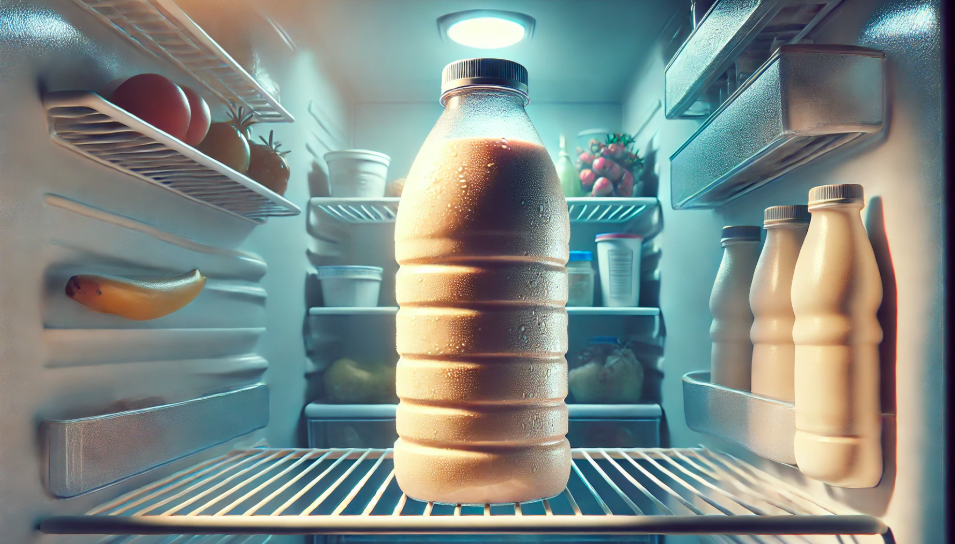
Protein shakes can last in the fridge for around 24 to 48 hours after being prepared, depending on the ingredients used. If you use protein powder mixed with water or milk, the shake will generally last for one to two days in the fridge.
However, after this time, the shake might start to lose its texture and flavor. If the shake contains perishable items like fruits or vegetables, it may spoil quicker, typically within 24 hours. For optimal freshness, it’s important to refrigerate the protein shake immediately after preparation and keep it tightly sealed.
In general, protein shakes with just protein powder and liquid have a slightly longer shelf life than those with additional ingredients, as they contain fewer perishables. Even though the shake might still be safe to consume after 48 hours, its quality in terms of taste and texture may degrade. So, it's a good idea to consume the shake as soon as possible for the best taste and nutrition.
Factors That Affect The Shelf Life Of A Protein Shake
The shelf life of a protein shake depends on several factors, such as the type of protein powder used, the liquid mixed with it, and any added ingredients. First, the type of protein powder plays a role. Whey protein, for example, is more likely to spoil quicker compared to plant-based proteins, as it is more sensitive to bacteria growth.
Secondly, the liquid added to the shake is crucial in determining its shelf life. Milk, for instance, has a shorter shelf life compared to water or almond milk due to its high protein and fat content, which are more prone to spoilage.
Additional ingredients, such as fruits, vegetables, or yogurt, can further shorten the shelf life because they are perishable. If a shake contains fresh fruit or dairy products, it is more likely to spoil in under 24 hours, especially if not kept refrigerated. Also, the cleanliness of the container used to store the protein shake matters; improper storage or contamination from dirty utensils can cause the shake to spoil faster.
How To Properly Store A Protein Shake In The Fridge
To store a protein shake properly in the fridge, you must ensure that it is placed in an airtight container. This helps prevent any bacteria or contaminants from entering and spoiling the shake. Glass or BPA-free plastic bottles or jars work best because they seal tightly.
It's also important to refrigerate the shake as soon as possible after preparation. Leaving a protein shake at room temperature for too long can allow bacteria to grow, especially if it contains perishable ingredients.
Make sure to keep the protein shake in the coldest part of the fridge, usually at the back, where the temperature remains constant. If you’re storing a shake with fruits or other sensitive ingredients, consuming it within 24 hours is recommended. You should also avoid shaking or stirring the protein shake repeatedly after storing it, as this can break down the texture and affect its freshness.
Signs Your Protein Shake Has Gone Bad
There are several signs to watch for to determine if your protein shake has gone bad. One of the most obvious signs is an unpleasant smell. If the shake has a sour or off-putting odor, it’s best to throw it away. A change in color is another warning sign, especially if the shake looks darker or has an unusual tint compared to when it was freshly made.
Texture changes are also common; if your protein shake has become lumpy, separated, or thickened unusually, it could indicate that the shake has spoiled. Finally, tasting the protein shake is another way to check for freshness. If it tastes sour or stale, it’s a clear sign that the shake should no longer be consumed. To avoid consuming a bad shake, it’s always a good idea to check these signs before drinking, especially if it’s been stored for longer than 24 hours.
Can You Freeze Protein Shakes for Longer Shelf Life?
Freezing protein shakes can extend their shelf life, but it's important to note that the texture and taste may change after thawing. Freezing can preserve the protein shake for about one to two months. When freezing a protein shake, it is essential to store it in an airtight container, leaving some space at the top for the liquid to expand as it freezes. It’s also a good idea to freeze the shake in individual portions to make it easier to thaw only what is needed.
After freezing, when you’re ready to consume the shake, it’s important to let it thaw in the refrigerator, not at room temperature, to prevent bacteria growth. Once thawed, you may need to shake it well to restore some of the texture, but the quality might not be the same as when the shake was freshly made. Freezing is a great option if you want to prepare shakes ahead of time, but it may not be ideal if you're looking for the best taste and texture.
How to Extend the Freshness of Your Protein Shake
To extend the freshness of your protein shake, it’s important to follow good storage practices. First, always keep the shake in an airtight container, which will help prevent exposure to air and contaminants. Try to consume the protein shake within 24 hours of making it for the best quality, especially if it contains perishable ingredients like dairy or fruit. If you’re making the shake in advance, consider using ice cubes or keeping the shake in a cooler bag until you’re ready to refrigerate it.
If you’re making a shake with milk or yogurt, consider using shelf-stable milk options, like almond milk or oat milk, which have a longer shelf life than regular dairy. Also, try adding ingredients that will preserve the freshness, such as protein powder without added sugar or preservatives. This will help maintain the quality of the shake for a longer period.
Do Different Types of Protein Shakes Have Varying Shelf Lives?
Yes, different types of protein shakes do have varying shelf lives. The shelf life depends on the ingredients used and their perishability. For example, shakes made with whey protein tend to have a shorter shelf life than those made with plant-based proteins, like pea or soy protein. This is because whey protein is more sensitive to bacteria and spoilage, whereas plant-based proteins tend to be more stable.
Shakes that contain milk, yogurt, or fresh fruits will spoil faster, typically within 24 hours. In contrast, protein shakes made with water or plant-based liquids can last up to 48 hours in the fridge. If you're looking for a longer-lasting shake, consider using a protein powder with a longer shelf life and mixing it with liquids like water or almond milk. Always check the freshness of the shake before consuming it, especially if it's been stored for a few days.