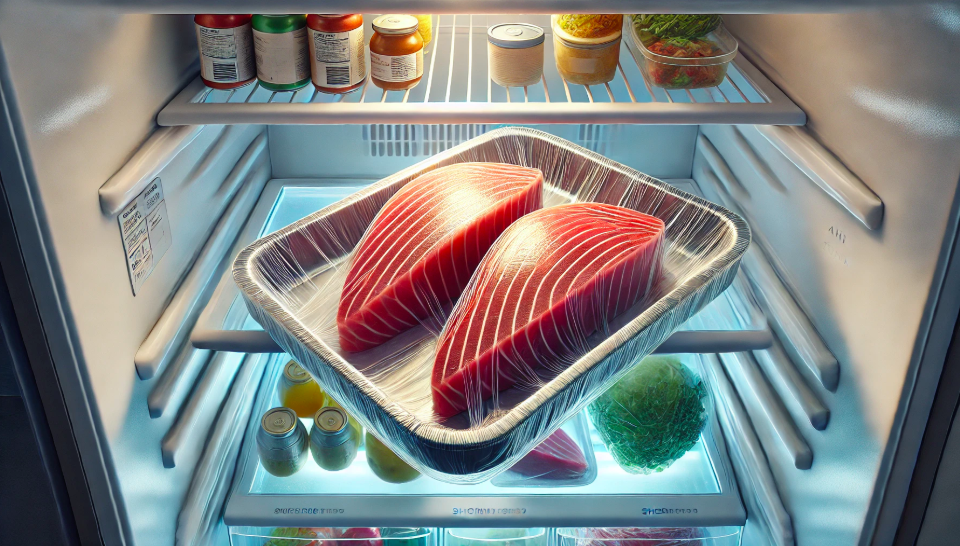
Ahi tuna, also known as yellowfin tuna, is a popular choice for dishes like sushi, sashimi, and grilled steaks. To ensure its freshness and safety, it's essential to store it properly. Fresh ahi tuna should be consumed within 1 to 2 days of purchase when stored in the refrigerator at 40°F (4°C) or below.
Proper Storage Tips For Ahi Tuna
To maintain the quality and safety of ahi tuna, follow these storage guidelines:
- Keep It Cold: Store ahi tuna in the coldest part of your refrigerator, ideally on a plate over a bed of crushed ice. This method helps maintain a consistent temperature and prevents bacterial growth.
- Use Airtight Containers: Place the tuna in an airtight container or wrap it tightly in plastic wrap or aluminum foil. This prevents exposure to air, which can lead to spoilage.
- Avoid Cross-Contamination: Store the tuna separately from other foods, especially ready-to-eat items, to prevent cross-contamination.
Signs Ahi Tuna Has Gone Bad
It's crucial to recognize when ahi tuna is no longer safe to eat. Signs that the tuna has spoiled include:
- Off-Putting Odor: Fresh ahi tuna has a clean, ocean-like smell. A sour or overly fishy odor indicates spoilage.
- Discoloration: Fresh tuna is bright red. If it appears dull, brown, or has any discoloration, it's best to discard it.
- Slimy Texture: A slimy or sticky texture is a clear sign that the tuna has spoiled.
- Unusual Taste: If the tuna tastes sour or off, it's unsafe to consume.
Can You Freeze Ahi Tuna For Extended Shelf Life?
Yes, you can freeze ahi tuna to extend its shelf life. Freezing preserves the tuna for up to 3 months. citeturn0search4 However, be aware that freezing can slightly degrade the texture and flavor of the fish.
Factors That Affect The Shelf Life Of Ahi Tuna
Several factors can influence how long ahi tuna remains fresh:
- Freshness at Purchase: The fresher the tuna when purchased, the longer it will last in your refrigerator.
- Storage Temperature: Maintaining a consistent temperature of 40°F (4°C) is crucial. Fluctuations can accelerate spoilage.
- Handling Practices: Proper handling, such as avoiding contamination and minimizing exposure to air, can extend the tuna's freshness.
- Packaging: Vacuum-sealing or tightly wrapping the tuna can help preserve its quality.
Best Practices For Storing Ahi Tuna In The Fridge
- Use Ice: Place the tuna on a plate over a bed of crushed ice in the refrigerator. This method helps maintain a consistent temperature and prevents bacterial growth.
- Wrap Properly: Wrap the tuna tightly in plastic wrap or aluminum foil to minimize exposure to air.
- Use Airtight Containers: Alternatively, place the wrapped tuna in an airtight container to further reduce exposure to air.
- Keep It Separate: Store the tuna away from other foods, especially ready-to-eat items, to prevent cross-contamination.
How To Safely Thaw Frozen Ahi Tuna For Use
When you're ready to use frozen ahi tuna, it's important to thaw it safely to maintain its quality and prevent bacterial growth. The best method is to transfer the tuna from the freezer to the refrigerator and allow it to thaw overnight. citeturn0search4 This gradual thawing process helps preserve the tuna's texture and flavor.
If you're short on time, you can thaw the tuna more quickly by placing it in a sealed plastic bag and submerging it in cold water. Change the water every 30 minutes to ensure it stays cold. Do not thaw tuna at room temperature, as this can promote bacterial growth.
Once thawed, cook the tuna immediately and do not refreeze it. Refreezing can affect the texture and safety of the fish.
By following these guidelines, you can enjoy fresh and safe ahi tuna in your meals.