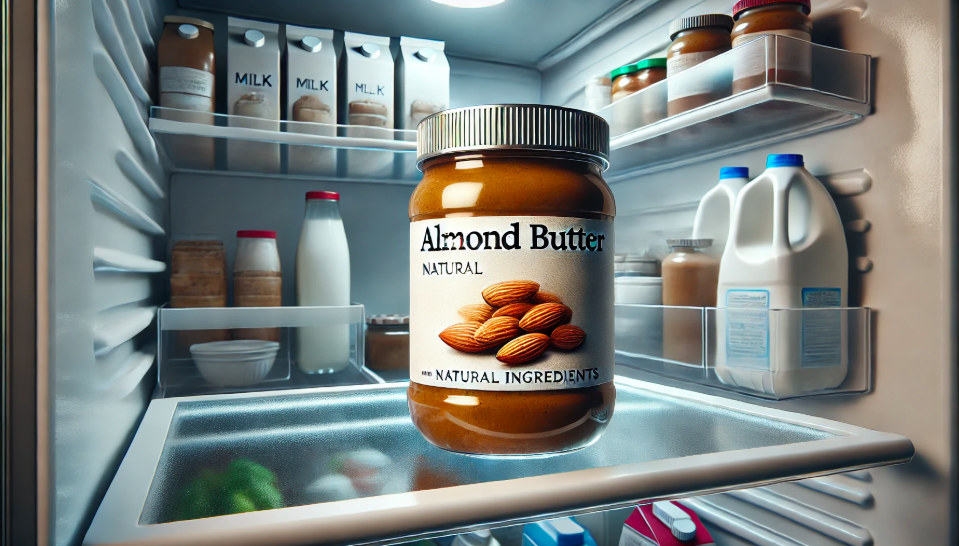
Almond butter can last for several months in the fridge, but the exact time depends on whether it's opened or unopened. It’s important to check for any changes in smell, texture, or color. If it starts to smell rancid or develops mold, it should be thrown away.
For best quality, almond butter should be stored in the fridge after opening, especially if it’s natural almond butter with no preservatives.
Factors Affecting the Shelf Life of Almond Butter
What specific aspects of almond butter shelf life would you like to delve into? For example, are you interested in storage, ingredients, or something else?
Signs Almond Butter Has Gone Bad
Here are the signs that almond butter has gone bad, based on reliable sources:
- Smell: If almond butter has gone bad, it may develop a sour or rancid smell. Fresh almond butter usually has a nutty, pleasant aroma.
- Taste: When almond butter spoils, it will taste bitter, sour, or off. Fresh almond butter should have a mild, slightly sweet nutty flavor.
- Separation: While natural almond butter may separate (oil on top), if it’s gone bad, the oil might turn cloudy or change color. This can indicate spoilage.
- Discoloration: Almond butter should be a light tan or beige color. If you see dark spots or a greenish tint, it's a sign the product may have gone bad.
- Mold: If you see mold growing on the surface, it's definitely time to discard the almond butter.
- Texture: Spoiled almond butter may become unusually hard, dry, or crumbly. Fresh almond butter should have a smooth, spreadable consistency.
- Packaging: If the seal was broken or the container was left open for too long, the almond butter may spoil faster.
If you notice any of these signs, it's best to throw away the almond butter to avoid eating something that could make you sick.
Best Practices for Storing Almond Butter in the Fridge
Here are the best practices for storing almond butter in the fridge, based on expert advice:
- Keep it sealed tightly: Store almond butter in a tightly closed jar or container to keep air and moisture out. This helps prevent it from going bad.
- Use a clean spoon: Always use a clean spoon to scoop out almond butter. This avoids introducing bacteria or other contaminants that could spoil it.
- Store it upside down: Some people recommend storing the jar upside down. This can help keep the oils from separating and ensure the almond butter stays well-mixed.
- Keep it in a cool spot: While the fridge is ideal, try to store it in the back where it stays consistently cold. Avoid placing it in the door, where the temperature can change often.
- Check the "best by" date: Always pay attention to the "best by" or expiration date on the jar. Even in the fridge, almond butter can go bad over time.
- Use within a few months: Even though almond butter lasts longer in the fridge, it's best to use it within 3 to 6 months for the best flavor and texture.
These tips help keep your almond butter fresh and safe to eat for as long as possible.
Can You Freeze Almond Butter for Longer Storage?
Yes, you can freeze almond butter to store it for a longer time. Freezing it helps extend its shelf life, as almond butter can last for several months in the freezer without losing its quality. Here’s what you need to know:
- Freezing Almond Butter: Almond butter can be frozen in its original jar, but it's best to transfer it to an airtight container or freezer-safe bag to prevent freezer burn and keep it fresh.
- Storage Time: If stored properly in the freezer, almond butter can last up to 6 months. After that, it may start to lose some of its flavor or texture.
- Texture Change: When almond butter is frozen and then thawed, it might become a bit grainy or separate. If this happens, you can stir it well to bring it back to a smooth consistency.
- Thawing: To thaw frozen almond butter, take it out of the freezer and let it sit at room temperature for a few hours. Don’t thaw it in the microwave, as it could change the texture.
Freezing almond butter is a simple way to keep it fresh for a longer time, especially if you have a large amount or want to buy in bulk.
How to Tell if Almond Butter is Safe to Eat After Storage
Here’s how you can tell if almond butter is safe to eat after storage:
- Check the Expiry Date: The first thing to do is check the "best by" or "use by" date on the jar. If it's past this date, it might not be safe to eat, though it could still be good for a short time.
- Look for Separation: Almond butter can separate, with the oil rising to the top. This is normal, but if the oil looks old or has changed color (for example, if it has turned dark), it might not be safe to eat.
- Smell It: Give the almond butter a sniff. If it smells sour, rancid, or just off, it is no longer safe to eat. Fresh almond butter has a nutty, pleasant smell.
- Check the Color: Fresh almond butter should be a light brown or beige color. If you notice any darkening, especially around the edges, or any mold, discard it.
- Taste a Small Amount: If everything looks okay, you can taste a small amount. If the taste is bitter, sour, or strange, it’s best to throw it away.
- Storage Conditions: If almond butter was stored properly (in a cool, dry place or in the fridge after opening), it’s more likely to stay safe longer. Improper storage can lead to spoilage, even if the jar hasn't expired.
If the almond butter passes all these checks, it's likely safe to eat. If you're unsure about any signs, it's better to err on the side of caution and throw it away.