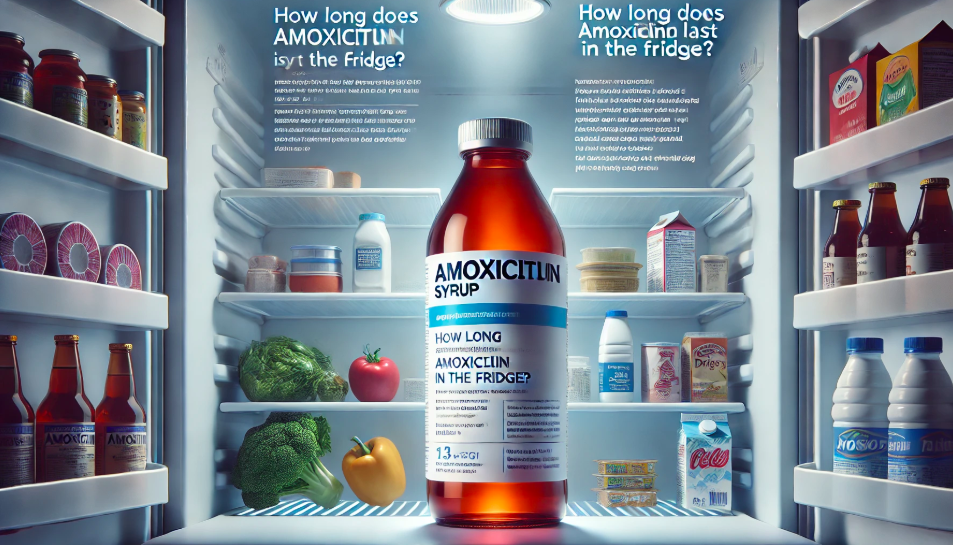
Amoxicillin, a commonly prescribed antibiotic, is often stored in liquid form as a suspension for ease of administration, especially in children. The shelf life of this medication depends largely on its form (liquid or tablet) and the conditions under which it is stored.
Factors Affecting the Shelf Life of Amoxicillin in the Fridge
The shelf life of amoxicillin, especially in its liquid form, can be influenced by several factors. These factors include temperature, exposure to light and moisture, and the integrity of the packaging. Each of these elements can play a role in the preservation or degradation of the drug.
- Temperature: Proper refrigeration of liquid amoxicillin is crucial for maintaining its potency. The medication should be stored at temperatures between 2°C and 8°C (35°F and 46°F), which is the typical temperature range for a home refrigerator. Storing it at this temperature ensures that it remains effective throughout its prescribed use. If amoxicillin is exposed to temperatures higher than the recommended range, such as being left at room temperature for extended periods, its effectiveness may decrease. This is particularly important if amoxicillin is left out for longer than a few hours. Freezing amoxicillin is also not advised, as freezing can cause the medicine to break down and lose its effectiveness.
- Light Exposure: Exposure to light, particularly sunlight, can cause the medication to break down more quickly. To preserve the integrity of the drug, liquid amoxicillin should always be stored in its original container, which is usually designed to block out light. It's also important to store tablets and capsules in a dry, cool, and dark place.
- Moisture: Like light, moisture can affect the stability of amoxicillin. For liquid amoxicillin, keeping the bottle tightly closed and avoiding any exposure to humid environments is essential. The presence of moisture can cause the medication to deteriorate or encourage bacterial growth inside the bottle. For tablets and capsules, it’s important to store them in a dry place. This can prevent the tablets from dissolving or sticking together, which would make the medicine unusable.
- Container Integrity: Storing amoxicillin in its original container is highly recommended, as these containers are designed to protect the medication from air, moisture, and light. The integrity of the container matters because any cracks, leaks, or openings in the packaging can expose the medication to contaminants or environmental conditions that could reduce its effectiveness. Therefore, always ensure that the container is tightly sealed and intact.
Signs That Amoxicillin Has Gone Bad
It’s essential to recognize the signs that amoxicillin may no longer be effective or safe to use. These signs can help you avoid taking medication that could be harmful or ineffective.
- Change in Color or Consistency: One of the most noticeable signs that liquid amoxicillin has gone bad is a change in color or consistency. Fresh amoxicillin suspension is usually a pinkish or peach color and should have a smooth, even consistency. If you notice that the color has darkened or that the consistency has become thicker or lumpy, this could indicate that the medication has degraded.
- Unpleasant Odor: If the liquid suspension develops an unusual smell, especially a sour or rancid odor, this is a strong indicator that the medication has gone bad. Fresh amoxicillin should have a faint, sweet odor, so any sharp or unpleasant smells suggest that the medication is no longer safe to use.
- Visible Particles or Cloudiness: Amoxicillin suspension should be a clear liquid with no visible particles or cloudiness. If you observe floating particles or if the liquid becomes cloudy, it’s best not to use it. This suggests that the medication may have undergone chemical changes that make it ineffective or unsafe.
- Expired Date: All medications come with an expiration date, and it’s important not to use amoxicillin beyond this date. The expiration date is the manufacturer’s assurance of the drug's potency and safety. After this time, the medication may lose its effectiveness, or it may even become harmful. Always check the expiration date before taking or administering amoxicillin.
Proper Storage Practices for Amoxicillin in the Fridge
To ensure that amoxicillin remains safe and effective for as long as possible, proper storage is essential. Following these guidelines can help you maximize the shelf life of both liquid and tablet forms of amoxicillin.
- Refrigeration for Liquid Amoxicillin: Liquid amoxicillin should always be stored in the refrigerator. The temperature should be between 2°C and 8°C (35°F and 46°F). It is important not to store the medication in the freezer, as freezing can cause the drug to break down. When storing the liquid, make sure the cap is tightly sealed to prevent air or moisture from entering.
- Storage in Original Container: Both liquid and solid forms of amoxicillin should be stored in their original packaging. For liquid amoxicillin, this helps protect the medicine from light exposure. For tablets and capsules, storing them in the original bottle helps protect them from moisture and ensures that the drug remains effective.
- Avoid Direct Sunlight and Heat: Tablets and capsules of amoxicillin should be stored at room temperature in a cool, dry place, away from direct sunlight and heat. Storing the medication in a bathroom or kitchen cabinet is a good option, as long as it’s not in a place with excessive humidity or temperature fluctuations.
- Check Expiration Dates Regularly: Always check the expiration date on both the liquid and solid forms of amoxicillin. If the medication is past its expiration date, discard it properly and consult your healthcare provider for a new prescription.
What Happens if Amoxicillin Is Left Out of the Fridge?
If liquid amoxicillin is left out of the refrigerator for an extended period, its effectiveness can decrease. While studies have shown that liquid amoxicillin may be stable at room temperature for short periods, typically up to a few hours, leaving it at room temperature for longer than recommended can cause the medicine to degrade.
If you accidentally leave amoxicillin out of the fridge, check the label for specific storage instructions and consider contacting your pharmacist for guidance. In general, if the medication has been at room temperature for longer than 24 hours, it is best to discard it and obtain a new prescription.
Can You Freeze Amoxicillin?
Freezing amoxicillin is not recommended. Freezing the medication can alter its chemical structure, which could reduce its effectiveness. Amoxicillin, like most antibiotics, is best stored in the refrigerator at the recommended temperature. Freezing can cause the medication to crystallize, which can affect the consistency of the liquid form and cause it to become less effective.
If you have leftover liquid amoxicillin that you are unsure how to store, it’s always best to consult with a pharmacist or healthcare provider for guidance. They can provide specific advice on whether the medication is still safe to use and what steps you should take for proper disposal if necessary.