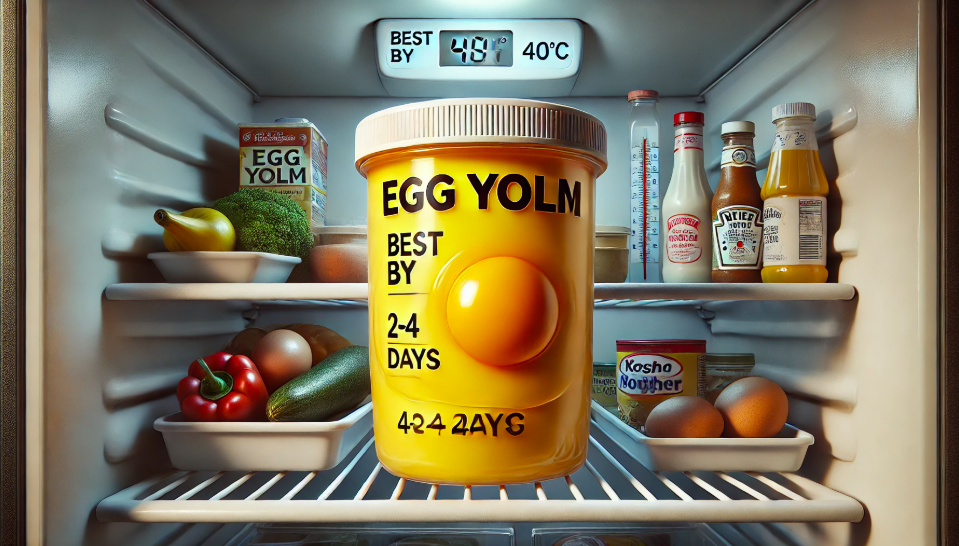
An egg yolk can typically last in the fridge for about 2 to 4 days if stored properly. To keep it fresh, place the yolk in an airtight container and cover it with a small amount of water to prevent it from drying out. It's important to note that egg yolks, like all perishable foods, should be kept at a constant refrigerator temperature. If you don't use the yolk within this timeframe, it is best to discard it to avoid the risk of foodborne illness. Always check for any signs of spoilage, such as changes in color, texture, or an off smell, before consuming.
Understanding The Shelf Life Of Egg Yolks In The Fridge
Egg yolks are a common ingredient in many recipes, but it's important to store them properly to ensure they remain safe to eat.
Shelf Life of Egg Yolks in the Refrigerator
Fresh egg yolks can be stored in the refrigerator for up to 2 days. To keep them fresh, place the yolks in a clean, airtight container. Covering them with a thin layer of water or plastic wrap can help prevent them from drying out.
Freezing Egg Yolks
If you have more egg yolks than you can use within a couple of days, freezing is an option. To prevent the yolks from becoming too thick when frozen, beat in either 1/8 teaspoon salt or 1½ teaspoons sugar or corn syrup per ¼ cup yolks (about 4 large yolks) before freezing.
Store the yolks in an airtight container, leaving some space for expansion, and label the container with the date. Frozen egg yolks can be stored for up to one year.
How To Store Egg Yolks For Maximum Freshness
Proper storage of egg yolks is essential to maintain their freshness and prevent spoilage. Here are straightforward methods to store them effectively:
Refrigeration:
- Short-Term Storage: If you plan to use the yolks within a few days, place them in an airtight container. To prevent drying out, cover them with a thin layer of cold water. Seal the container tightly and store it in the refrigerator. This method keeps yolks fresh for up to 2-4 days.
- Long-Term Storage: For longer storage, mix a pinch of salt or sugar into the yolks before refrigerating. This helps maintain their texture and prevents them from becoming too thick. Store the treated yolks in an airtight container in the refrigerator. They can remain fresh for up to 5 days.
Can You Freeze Egg Yolks To Extend Their Shelf Life?
Yes, you can freeze egg yolks to extend their shelf life. However, freezing them without preparation can cause them to become thick and gelatinous, making them difficult to use in recipes. To prevent this, it's recommended to beat the yolks until smooth and add either salt or sugar before freezing. When you're ready to use the frozen yolks, thaw them in the refrigerator overnight or under cold running water. Use them immediately after thawing. For each large egg yolk needed in a recipe, substitute with one tablespoon of thawed egg yolk.
It's important to note that while egg whites freeze well on their own, egg yolks require this preparation to maintain their quality after freezing.
Tips For Using Leftover Egg Yolks Before They Expire
Leftover egg yolks can be stored in the refrigerator for up to four days. To keep them fresh:
Here are some ways to use leftover egg yolks:
- Custards and Puddings: Egg yolks are key in making creamy desserts like custards and puddings. They help thicken and add richness.
- Sauces: Use egg yolks to make sauces such as hollandaise or aioli. They act as emulsifiers, giving the sauces a smooth texture.
- Baking: Adding extra egg yolks to baked goods like cookies or cakes can make them richer and moister.
- Homemade Pasta: Egg yolks can be used to make fresh pasta dough, giving the noodles a golden color and tender texture.
- Ice Cream: Egg yolks are essential in making homemade ice cream, providing a creamy base.
Factors Affecting How Long An Egg Yolk Lasts
The freshness and safety of egg yolks are influenced by several key factors:
1. Temperature: Storing egg yolks at a consistent, cold temperature slows down bacterial growth. The ideal storage temperature for egg yolks is below 40°F (4°C).
2. Exposure to Air: Air contact can cause egg yolks to dry out and develop a crusty texture. Storing them in a sealed container reduces air contact.
3. Humidity: High humidity can cause condensation, which may lead to bacterial growth. Storing egg yolks in an airtight container helps maintain the right humidity levels.
4. Contamination: Cross-contamination with other foods can introduce bacteria to the egg yolks. Ensure that the storage container is clean and avoid contact with raw meats or other contaminants.
5. Handling Practices: The way eggs are handled before they reach your kitchen can significantly impact their longevity. Eggs that have been exposed to fluctuating temperatures or mishandled during transportation may spoil more quickly.
Signs That An Egg Yolk Has Gone Bad
To determine if an egg yolk has spoiled, consider the following signs:
1. Unpleasant Odor: Fresh eggs have a neutral smell. If the yolk emits a strong, sulfur-like odor, it indicates spoilage.
2. Discoloration: A healthy yolk is typically bright yellow or orange. If it appears greenish or has dark spots, it may be spoiled.
3. Watery Consistency: Fresh yolks are thick and hold their shape. If the yolk is runny or watery, the egg is likely old.
4. Shell Condition: Cracks, sliminess, or powdery spots on the eggshell can suggest bacterial contamination. Such eggs should be discarded.
5. Float Test: Place the egg in a bowl of water. If it sinks and lays flat, it's fresh. If it stands upright or floats, it's old and may be spoiled.
If you notice any of these signs, it's best to discard the egg to avoid potential health risks.