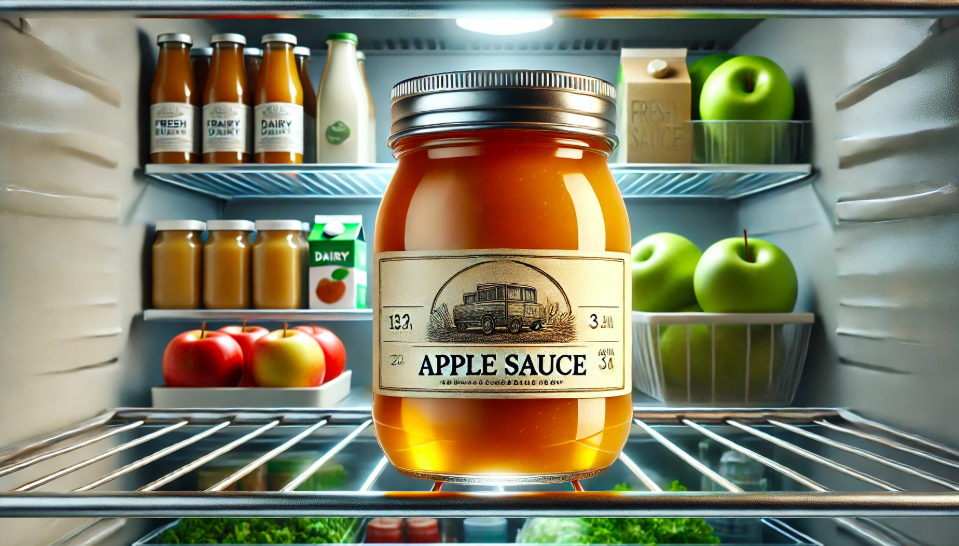
Applesauce is a popular snack and cooking ingredient due to its sweet, tangy flavor and versatility. However, like any food product, its freshness and safety depend on proper storage. Once opened, store-bought applesauce typically lasts 7 to 14 days in the fridge. Keeping it at a constant cold temperature of about 40°F (4°C) or below will ensure it remains fresh during this period. On the other hand, homemade applesauce usually lasts a shorter time, about 4 to 6 days in the fridge, since it lacks the preservatives often found in commercial varieties.
Homemade applesauce should be refrigerated immediately after cooling down from the cooking process, and store-bought applesauce should be placed in the fridge as soon as it is opened. Regardless of the type, labeling the container with the date it was opened or made will help track its freshness.
Signs That Apple Sauce Has Gone Bad
Recognizing spoilage is essential to avoid foodborne illnesses. Several indicators can help identify whether applesauce is no longer safe to eat:
- Smell: Fresh applesauce has a naturally sweet and fruity aroma. If it smells sour, rancid, or off in any way, it’s likely spoiled. Discard it immediately.
- Appearance: Mold or discoloration is a clear sign that applesauce has gone bad. Applesauce may darken slightly over time due to oxidation, but this is different from actual spoilage. If you see green, black, or white mold, it’s unsafe to consume.
- Texture: Spoiled applesauce may develop an uneven texture, with clumps or excessive separation of liquid. While some separation of liquid is normal in natural applesauce, a drastic change in consistency may indicate spoilage.
- Taste: If the smell and appearance seem fine, tasting a small amount can confirm its quality. A sour, fermented, or off taste means it should not be consumed.
When in doubt, it’s better to err on the side of caution. Consuming spoiled applesauce can lead to stomach upset or food poisoning.
How to Properly Store Apple Sauce in the Fridge
To maximize the shelf life of applesauce in the fridge, proper storage practices are essential. Here are some tips:
- Use Airtight Containers: If the original jar or packaging doesn’t reseal well, transfer the applesauce to an airtight glass or plastic container. This minimizes exposure to air and prevents bacteria from contaminating the food.
- Keep It Cool: Store applesauce in the coldest part of the fridge, not in the door, where temperatures fluctuate more often. Consistent refrigeration slows bacterial growth.
- Label the Container: Mark the container with the date it was opened or made. This makes it easy to keep track of its freshness.
- Avoid Double-Dipping: Use clean utensils each time you scoop applesauce from the jar. Introducing other foods or contaminants can promote bacterial growth.
- Close Tightly: Ensure the lid is securely closed after each use to prevent air and moisture from getting in.
By following these steps, you can safely enjoy your applesauce for its entire storage period.
Does the Expiration Date on Store-Bought Apple Sauce Matter?
The expiration or "best by" date on store-bought applesauce is a guideline for when the product will be at its peak quality. Unopened applesauce stored in a cool, dark place can often last several months beyond this date without safety concerns. However, once opened, the printed date is less important than how it is stored.
For instance, if applesauce is opened and refrigerated immediately, it will typically last 7 to 14 days, regardless of the printed date. If it smells or tastes off or shows signs of spoilage, it’s no longer safe to eat, even if the date hasn’t passed. On the other hand, unopened applesauce stored past its expiration date can still be used if it shows no signs of damage or spoilage, such as bloating or rust on the container.
Can You Freeze Apple Sauce for Longer Storage?
Freezing applesauce is an excellent way to extend its shelf life. Properly frozen applesauce can last up to 6 months or longer while maintaining good quality. Here’s how to freeze applesauce:
- Use Freezer-Safe Containers: Transfer applesauce to a sturdy, airtight container or freezer bag. Leave some space at the top, as applesauce expands when it freezes.
- Divide Into Portions: For convenience, freeze applesauce in smaller portions. This way, you only defrost what you need.
- Label the Container: Write the date on the container or bag so you can keep track of how long it has been in the freezer.
- Defrost Properly: When ready to use, thaw applesauce in the refrigerator overnight. Avoid leaving it at room temperature to prevent bacteria from growing.
Freezing applesauce preserves its flavor and texture well, but it’s worth noting that some slight separation of liquid may occur after thawing. Stirring it will usually restore its consistency.
What Affects the Shelf Life of Apple Sauce in the Fridge?
Several factors influence how long applesauce stays fresh in the fridge:
- Storage Temperature: Applesauce stored at consistently cold temperatures lasts longer. Temperatures above 40°F (4°C) can accelerate spoilage.
- Exposure to Air: Leaving the container open or improperly sealed allows air and bacteria to enter, leading to faster spoilage.
- Cross-Contamination: Using dirty utensils or introducing other food particles can introduce bacteria that shorten the applesauce's shelf life.
- Type of Applesauce: Commercial applesauce with preservatives generally lasts longer than homemade varieties, which lack these additives.
Best Practices for Reheating or Reusing Refrigerated Apple Sauce
Reheating applesauce is often necessary when using it in recipes or serving it warm. Follow these tips to ensure safety and preserve quality:
- Reheat Only What You Need: Remove just the portion you plan to eat or use. Avoid reheating the entire container multiple times, as this can promote bacterial growth.
- Microwave or Stovetop: To warm applesauce, use a microwave-safe dish and heat in short intervals, stirring in between. Alternatively, heat it on the stovetop over low to medium heat, stirring frequently to prevent burning.
- Do Not Refreeze: If you’ve defrosted frozen applesauce and reheated it, avoid refreezing, as repeated temperature changes can degrade quality and safety.
- Use Fresh Spices: If you’re reheating applesauce to serve as a dessert or snack, consider adding fresh cinnamon or nutmeg for an extra flavor boost.
- Store Leftovers Properly: If you have reheated more than needed, return any uneaten portion to the fridge promptly in a clean, airtight container.
What Happens If You Eat Expired Apple Sauce?
Eating spoiled or expired applesauce can lead to foodborne illnesses. While mild cases might cause an upset stomach, nausea, or vomiting, more severe cases can result in diarrhea, fever, and dehydration. These symptoms are particularly risky for young children, older adults, and people with weakened immune systems.
Spoiled applesauce can develop harmful bacteria such as mold or yeast, which are visible signs of contamination. Even without visible signs, applesauce past its freshness date may harbor bacteria if improperly stored.
If you suspect you’ve eaten spoiled applesauce, monitor yourself for symptoms. Drinking plenty of water can help ease mild discomfort, but seek medical attention if symptoms are severe or persist.