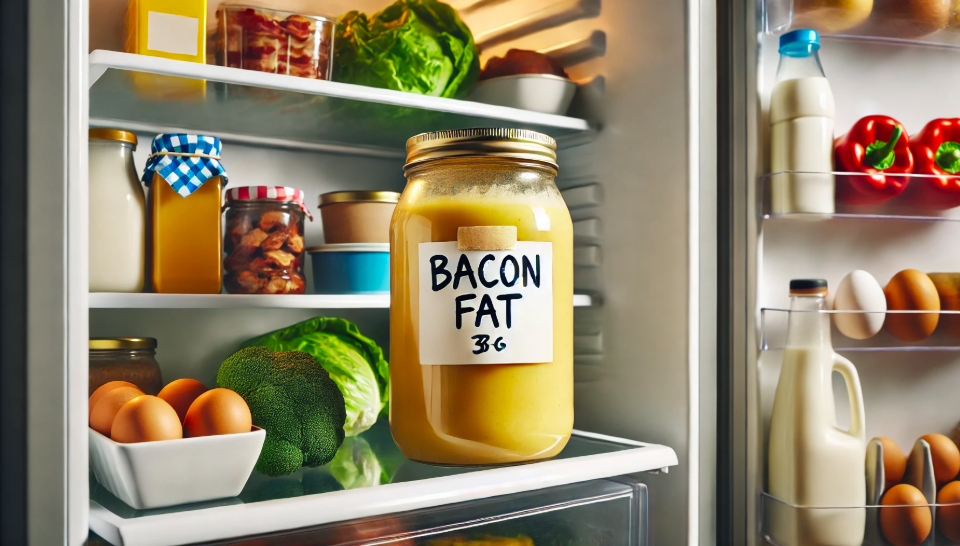
Bacon fat can last in the fridge for about one month if stored properly. To extend its shelf life, make sure it is kept in an airtight container to prevent it from absorbing odors from other foods. It is also important to allow the fat to cool before storing it, as hot fat can cause condensation, which may lead to spoilage. If stored in the fridge, bacon fat remains safe to use as long as it doesn’t show signs of mold, an off smell, or discoloration. For longer storage, bacon fat can also be frozen, where it will last up to a year.
Ideal Storage Conditions for Bacon Fat
To keep bacon fat fresh and safe for cooking, it's important to store it properly. Here's how:
1. Strain the Bacon Fat: After cooking bacon, let the fat cool slightly. Then, pour it through a fine mesh sieve or cheesecloth into a clean container to remove any leftover bacon bits. This helps prevent the fat from spoiling quickly.
2. Choose the Right Container: Use a clean, airtight container made of glass or metal. These materials prevent the fat from absorbing unwanted flavors and odors.
3. Refrigeration: Store the strained bacon fat in the refrigerator. This keeps it solid and extends its shelf life. Properly stored, it can last up to six months in the fridge.
4. Freezing for Long-Term Storage: If you want to keep bacon fat for a longer time, you can freeze it. Pour the cooled, strained fat into freezer-safe containers or ice cube trays. Once frozen, transfer the portions to a freezer bag. Frozen bacon fat can last up to a year.
How to Extend the Shelf Life of Bacon Fat
Bacon fat, also known as bacon grease, is a flavorful byproduct of cooking bacon. To keep it fresh and safe for future use, proper storage is essential.
Storing Bacon Fat:
- Refrigeration: After cooking bacon, let the fat cool to room temperature. Strain out any solid bits using a fine mesh strainer or cheesecloth. Pour the strained fat into a clean, airtight container, such as a glass jar. Seal the container tightly and store it in the refrigerator. Properly stored, bacon fat can last up to six months in the fridge.
- Freezing: For longer storage, pour the cooled and strained bacon fat into an ice cube tray. Once frozen, transfer the bacon fat cubes into a zip-top freezer bag. This method allows you to use small portions as needed. Frozen bacon fat can last up to a year.
Can You Freeze Bacon Fat for Longer Storage?
Yes, you can freeze bacon fat to extend its storage life. Proper freezing helps maintain its quality and flavor for future use.
How to Freeze Bacon Fat:
- Strain the Fat: After cooking bacon, let the fat cool slightly. Pour it through a fine mesh strainer or cheesecloth into a clean container to remove any leftover bacon bits. This step helps prevent spoilage.
- Choose the Right Container: Use an airtight glass or metal container to store the strained bacon fat. Avoid plastic containers, as they may not withstand freezing temperatures well.
- Portioning for Convenience: For easier use later, pour the bacon fat into an ice cube tray, filling each compartment about two-thirds full. Once frozen solid, transfer the cubes to a freezer-safe bag or container. This method allows you to thaw only the amount you need.
Best Containers for Storing Bacon Fat
Storing bacon fat properly is essential to maintain its quality and prevent spoilage. The best containers for this purpose are made of glass or metal, as they are non-reactive and help preserve the fat's flavor. Avoid using plastic containers, as they can absorb odors and may not withstand high temperatures.
Recommended Containers:
- Glass Mason Jars: These are widely available and provide an airtight seal, keeping the bacon fat fresh. They are also easy to clean and can be reused multiple times.
- Ceramic Containers: Some ceramic containers are designed specifically for storing bacon fat. They often come with a built-in strainer to filter out solid bits, ensuring a cleaner fat. For example, the Ayesha Curry Kitchenware Bacon Grease Container is made of durable stoneware and includes a snug-fitting lid to preserve the grease while you are using it.
- Stainless Steel Containers: These containers are durable and resistant to rust. They often feature a fine mesh strainer to remove solid particles from the fat. The IMUSA 1.5 Quart Grease Dispenser is made from sturdy aluminum and includes a mesh strainer, making it a reliable choice for storing bacon fat.
Signs That Bacon Fat Has Gone Bad
Bacon fat, also known as bacon grease, is a flavorful byproduct of cooking bacon. Proper storage is essential to maintain its quality and prevent spoilage. Here are some signs that bacon fat has gone bad:
- Unpleasant Odor: Fresh bacon fat has a savory, smoky smell. If it develops a sour, rancid, or off-putting odor, it's a clear indication that it has spoiled.
- Discoloration: Fresh bacon fat is typically a pale yellow or off-white color. If it turns darker, such as brown or gray, it may be spoiled.
- Mold Growth: Visible mold, which can appear as fuzzy spots, is a definite sign of spoilage. If you see any mold, discard the bacon fat immediately.
- Off Taste: If the bacon fat tastes sour, bitter, or otherwise unpleasant, it has likely spoiled and should not be used.
- Slimy Texture: Fresh bacon fat should be smooth and firm. If it feels slimy or sticky, it's a sign that bacteria have begun to break it down, making it unsafe to consume.
To extend the shelf life of bacon fat, store it in an airtight container in the refrigerator, where it can last up to six months. For longer storage, freezing is an option, but be aware that frequent thawing and refreezing can affect its quality.