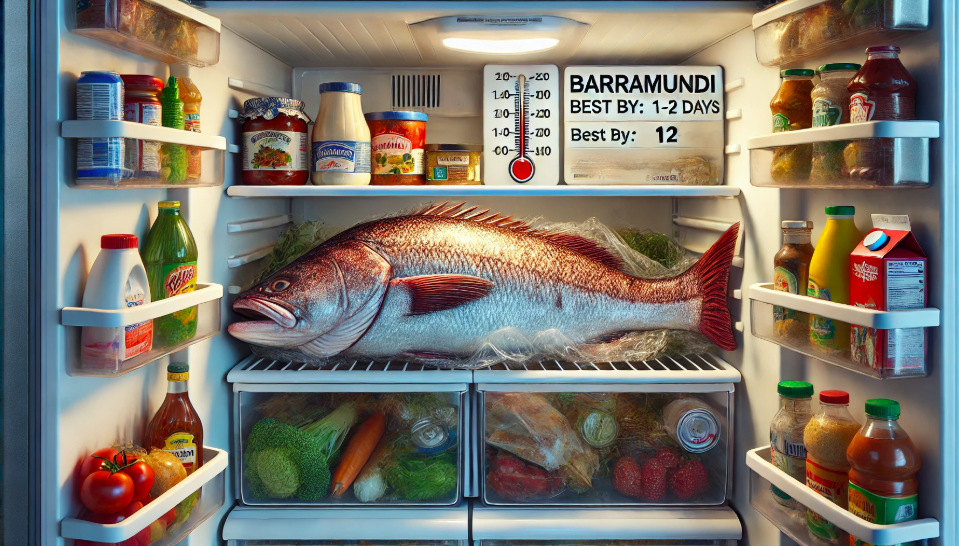
Barramundi can typically last 1 to 2 days in the fridge when stored properly. To maximize its freshness, it should be kept in an airtight container or tightly wrapped in plastic wrap or foil. If the fish is cooked, it can generally be stored for up to 3 days in the fridge. If you need to store it for longer, freezing is the best option, which can extend its shelf life up to 6 months. Always check for any signs of spoilage, such as an off smell or slimy texture, before consuming.
Introduction To Barramundi Storage
Barramundi, also known as Asian sea bass, is a popular fish known for its mild flavor and firm texture. Proper storage is essential to maintain its quality and ensure food safety.
Refrigeration: Fresh barramundi should be stored in the coldest part of the refrigerator, typically at or below 4°C (40°F). It's best to use it within 1-2 days to enjoy its optimal taste and texture.
Freezing: If you don't plan to cook the fish immediately, freezing is a good option. Wrap the barramundi tightly in plastic wrap or aluminum foil, or place it in a vacuum-sealed bag to prevent freezer burn. Properly stored, it can last up to 6 months in the freezer.
Thawing: When ready to cook, thaw frozen barramundi in the refrigerator for 12-24 hours. This method helps maintain its quality and reduces the risk of bacterial growth.
Handling: Always handle barramundi with clean hands and utensils to prevent contamination. If you have leftover cooked barramundi, store it in an airtight container in the refrigerator and consume it within 3-4 days.
By following these storage guidelines, you can enjoy barramundi at its best, ensuring both safety and flavor.
How Long Can You Store Fresh Barramundi In The Fridge?
To keep barramundi fresh, wrap it tightly in plastic wrap or place it in an airtight container. This helps prevent exposure to air and moisture, which can cause spoilage.
If you don't plan to cook the fish within a couple of days, consider freezing it. Properly wrapped, barramundi can be stored in the freezer for up to two months.
Always check the fish for any off smells, discoloration, or slimy texture before cooking. If you notice any of these signs, it's best to discard the fish to avoid foodborne illness.
Storing Cooked Barramundi: Shelf Life And Tips
Cooked barramundi, like other cooked fish, should be stored properly to maintain its quality and ensure safety.
Refrigeration:
- Storage Duration: After cooking, barramundi can be kept in the refrigerator for up to 3 to 4 days.
- Storage Method: Place the cooked fish in an airtight container to prevent exposure to air and moisture, which can cause spoilage.
Freezing:
- Storage Duration: For longer storage, cooked barramundi can be frozen. While it remains safe to eat indefinitely when frozen, its best quality is maintained for 1 to 3 months.
- Storage Method: Wrap the cooked fish tightly in plastic wrap or aluminum foil, or place it in a vacuum-sealed bag to prevent freezer burn. Label the package with the date to keep track of storage time.
Best Practices For Freezing Barramundi For Extended Shelf Life
Freezing barramundi is an effective method to extend its shelf life while preserving its quality. To ensure the best results, follow these straightforward steps:
1. Use Fresh Fish: Select barramundi that is fresh, ideally within 1-2 days of purchase. Fresh fish maintains its flavor and texture better when frozen.
2. Clean the Fish: Before freezing, clean the barramundi by removing scales, gutting, and gilling. Wipe the fish thoroughly to remove any remaining moisture.
3. Wrap Properly: Wrap the cleaned fish tightly in plastic wrap or aluminum foil. This helps prevent freezer burn and preserves the fish's quality.
4. Use Airtight Packaging: Place the wrapped fish in an airtight freezer bag or container. Removing as much air as possible from the packaging will help maintain the fish's quality.
5. Label and Date: Clearly label the package with the date of freezing. This will help you keep track of storage times and ensure the fish is used within its optimal period.
6. Store at the Right Temperature: Ensure your freezer is set to 0°F (-18°C) or lower. Proper storage temperature is crucial for maintaining the fish's quality.
Signs Barramundi Has Gone Bad
To ensure your barramundi is safe to eat, look for these signs of spoilage:
- Smell: Fresh barramundi should have a mild, ocean-like scent. If it smells sour, rancid, or like ammonia, it's spoiled and should be discarded.
- Appearance: The flesh should be firm and moist. If it appears dull, discolored, or has dark spots, it's a sign of spoilage.
- Texture: Fresh fish feels firm to the touch. If the flesh is slimy, mushy, or sticky, it's no longer safe to eat.
- Eyes and Gills: For whole fish, the eyes should be clear and bright, not cloudy or sunken. The gills should be red or pink; brown or gray gills indicate spoilage.
Conclusion: Maximizing Freshness And Flavor Of Barramundi
To ensure barramundi maintains its best flavor and freshness, consider the following steps:
Selecting Fresh Barramundi:
- Appearance: Choose fish with clear eyes, firm flesh, and a fresh, ocean-like smell.
- Source: Opt for fish that has been frozen immediately after being caught to preserve its quality.
Preparing Barramundi:
- Thawing: For frozen fish, thaw it slowly in the refrigerator to maintain texture and flavor.
- Cooking Methods: Barramundi is versatile and can be grilled, baked, pan-fried, or steamed. Each method brings out different flavors and textures.
Enhancing Flavor:
- Seasoning: Use fresh herbs like dill, parsley, and cilantro to complement the subtle flavors of barramundi.
- Cooking Techniques: Grilling or pan-searing can create a crispy skin and enhance the buttery flavor, while steaming or poaching offers a more delicate taste.
By following these guidelines, you can enjoy barramundi at its peak freshness and flavor.