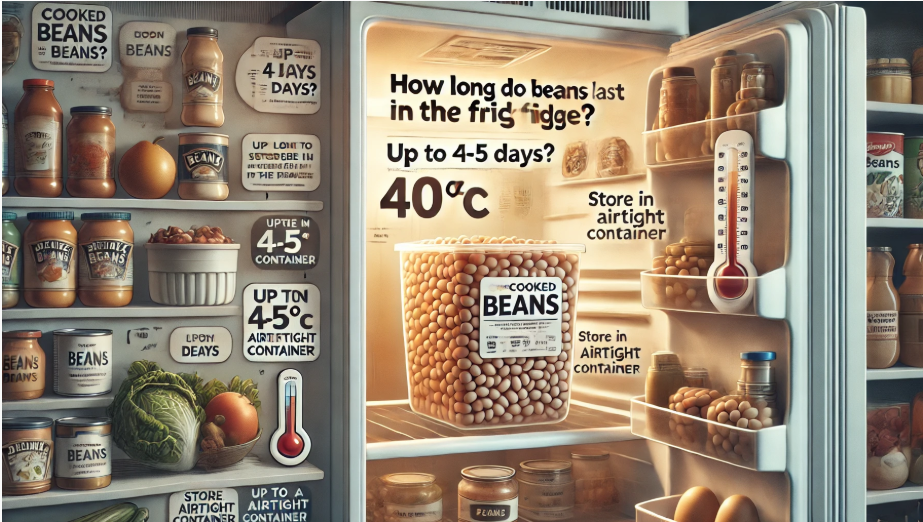
Cooked beans can last in the fridge for about 3 to 5 days if stored properly in an airtight container. The duration varies depending on how fresh the beans were when first cooked and how well they were handled during storage. Raw beans, however, should not be stored in the fridge, as they are better kept in a cool, dry place at room temperature. If you’re dealing with canned beans, they should be consumed within 3-4 days after opening, unless they are transferred to a different container.
Factors Affecting the Shelf Life of Beans in the Fridge
Several factors can affect how long beans last in the fridge. These include:
- Storage Conditions: Beans stored in airtight containers last longer than those left uncovered or loosely stored. Proper sealing helps reduce exposure to air and moisture, which can promote mold growth and spoilage.
- Cooking Method: Beans that have been properly cooked (without excessive oil or seasonings) tend to last longer than those cooked with perishable ingredients.
- Temperature of the Fridge: A refrigerator set at 40°F (4°C) or below is ideal for maintaining the quality of beans. Fluctuating temperatures or temperatures above this can speed up spoilage.
- Freshness at Time of Cooking: If the beans were already on the verge of spoilage before cooking, they may spoil more quickly in the fridge.
How to Store Beans Properly to Maximize Freshness
To extend the freshness of beans in the fridge, it's important to store them in the right way. For cooked beans, transfer them into an airtight container or resealable plastic bag to minimize exposure to air. Make sure the container is sealed tightly, and avoid opening it frequently. It’s also helpful to store beans in smaller portions, as this prevents repeatedly exposing the entire batch to air when you take some out. Beans should be allowed to cool completely before storing them to prevent condensation, which could lead to mold or bacterial growth.
Signs That Your Beans Have Gone Bad
To determine whether beans have spoiled, look for the following signs:
- Off Smell: If the beans have a sour or rancid odor, it’s a clear indication that they have gone bad.
- Change in Texture: Spoiled beans may become mushy, slimy, or dry out completely.
- Visible Mold: Any signs of mold growth on the beans are a definite indication that they should be discarded.
- Discoloration: If the beans turn an unusual color (e.g., black, yellow, or green), they should not be eaten.
Can You Freeze Cooked Beans for Longer Storage?
Yes, cooked beans can be frozen for longer storage. Freezing extends their shelf life up to 6 months. When freezing, make sure to store them in an airtight container or freezer-safe bag, removing as much air as possible to prevent freezer burn. You can also freeze beans in portions to make thawing easier. It’s advisable to let them cool completely before freezing and label the bags with dates to keep track of how long they've been stored.
Storage Tips for Different Types of Beans (Canned, Fresh, Cooked)
- Canned Beans: Once opened, canned beans should be transferred into an airtight container and stored in the fridge. They can last 3-4 days in the fridge. Unopened cans can last in the pantry for up to a year or more if kept in a cool, dry place.
- Fresh Beans: Fresh beans should be stored in a cool, dry place. If you need to refrigerate them, store them in a breathable bag or container to prevent excess moisture buildup, which could lead to spoilage. Fresh beans typically last about 2-3 days in the fridge.
- Cooked Beans: As mentioned earlier, cooked beans can last 3-5 days in the fridge when stored properly. For extended storage, freezing is an excellent option.
How to Tell If Beans Are Safe to Eat After Being in the Fridge
To check if beans are still safe to eat after being in the fridge, consider the following:
- Smell: If they smell rancid or sour, discard them.
- Appearance: Check for any mold, discoloration, or an unusual slimy texture.
- Taste: If the beans appear to be safe, taste a small amount. If the flavor is off or unpleasant, it’s best not to consume them.
- Storage Time: If the beans have been in the fridge for more than 5 days, it’s safer to discard them, especially if you're unsure of their freshness.
The Best Containers for Storing Beans in the Fridge
The best containers for storing beans are airtight and made from materials that will not react with food. Glass jars or plastic containers with tight-fitting lids work well to keep beans fresh. It’s also useful to choose containers that are the right size for the portion you have, minimizing the amount of air inside. Freezer-safe bags or containers are ideal for freezing beans. Avoid using containers that are too large, as this may allow excess air to spoil the beans more quickly.
How to Reheat Beans After Storing Them in the Fridge
To reheat beans stored in the fridge, follow these methods:
- Stovetop: Place beans in a pot and heat over medium-low heat. Stir occasionally to prevent them from sticking. If the beans seem dry, add a splash of water or broth to help rehydrate them.
- Microwave: Place beans in a microwave-safe bowl, covering them with a damp paper towel to retain moisture. Heat in 1-minute intervals, stirring in between until they are heated through.
- Oven: Preheat the oven to 350°F (175°C) and place the beans in an oven-safe dish. Cover with foil and heat for about 20 minutes, stirring halfway through. Add a bit of liquid if necessary to prevent drying out.