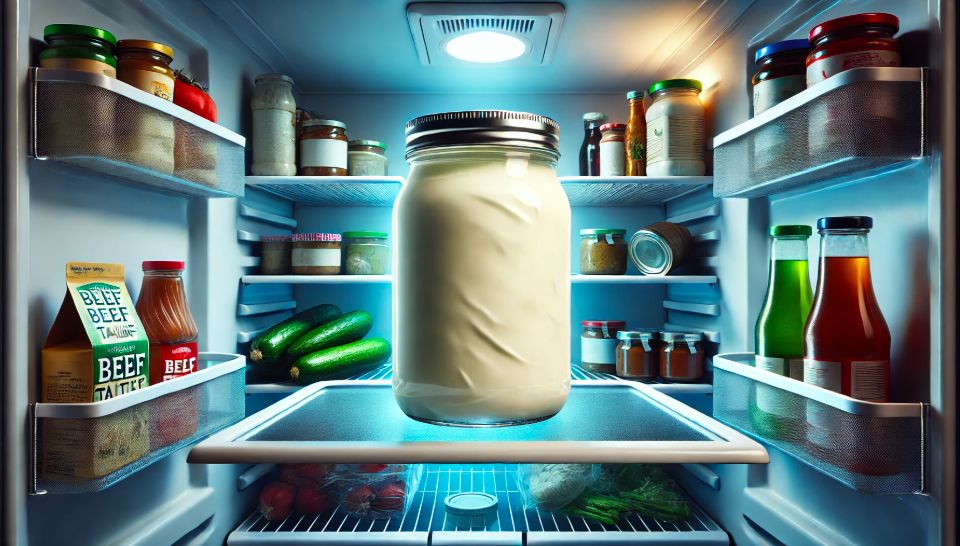
Beef tallow is a natural, rendered fat that comes from beef, and it is prized for its versatility and long shelf life. When stored correctly, beef tallow can remain fresh and safe to use for an extended period. In the refrigerator, beef tallow typically lasts up to 12 months. However, its quality is highest when used within the first 3 to 4 months. During this time, the texture, flavor, and aroma remain at their peak.
Proper refrigeration significantly slows the oxidation process, which is the primary cause of spoilage for fats. To ensure maximum freshness, keep beef tallow in an airtight container to prevent exposure to air and contaminants. This is especially important for homemade tallow, which may lack preservatives often added to commercial versions. While beef tallow is unlikely to spoil quickly under refrigeration, its freshness and usability depend on careful storage practices.
Ideal Storage Conditions For Beef Tallow
Storing beef tallow properly is essential to maintain its quality and ensure its longevity. The primary factors affecting tallow’s shelf life are air exposure, temperature, and light. Beef tallow is best stored in an airtight container, as exposure to air can cause oxidation. Oxidation leads to rancidity, which gives the fat an unpleasant odor and taste.
Choose containers made of glass or food-safe plastic with tight-fitting lids. Glass jars are particularly popular because they are non-reactive and do not absorb odors or stains. Keep the container in a cool, dark place, such as a pantry or cupboard, to avoid exposing the tallow to direct sunlight or heat sources. Light and heat can accelerate the spoilage process by breaking down the fat molecules.
Refrigeration is an ideal choice for storing beef tallow for several months. By keeping the tallow at a consistent, low temperature, you slow down the natural degradation process, preserving its freshness and nutritional value. If your storage area tends to be warm or humid, refrigeration is even more critical to prevent spoilage.
For those who don’t plan to use beef tallow frequently, freezing is an even better option. This method halts the oxidation process entirely, extending the shelf life significantly. When freezing, use freezer-safe containers and portion the tallow into smaller amounts to make thawing more convenient.
Signs That Beef Tallow Has Gone Bad
Knowing how to identify spoiled beef tallow is crucial to avoid using a product that is no longer safe. While beef tallow is stable when stored properly, it can eventually go bad. The following are clear signs that tallow has spoiled:
- Odor: Fresh beef tallow has a neutral or mild smell. If the tallow develops a sour, rancid, or unpleasant odor, it’s a sign that it has oxidized or become contaminated. A strong, off-putting smell is the most reliable indicator of spoilage.
- Appearance: Spoiled tallow may develop discoloration. Instead of its typical creamy white or light yellow color, it may appear darker or have grayish or brownish spots. These changes can indicate the presence of mold or oxidation.
- Texture: Fresh tallow has a firm, smooth texture. If the texture feels unusually greasy, soft, or slimy at room temperature, it may have begun to degrade.
- Taste: If you suspect spoilage but don’t notice a strong odor or visible changes, a small taste test can confirm it. Spoiled tallow will have a bitter or off flavor, unlike its usual mild taste.
Tips To Extend The Shelf Life Of Beef Tallow
If you want to make your beef tallow last as long as possible, follow these tips for proper storage and handling:
- Use Clean Utensils: Always use clean, dry utensils when handling beef tallow. Introducing moisture or contaminants can lead to spoilage or bacterial growth.
- Keep It Airtight: Store tallow in airtight containers to minimize exposure to oxygen. Oxygen speeds up the oxidation process, causing the fat to turn rancid.
- Avoid Cross-Contamination: If you are transferring tallow to a container, ensure it is thoroughly cleaned and free from any residues. Cross-contamination can introduce bacteria or other impurities.
- Refrigerate for Safety: While tallow can be stored at room temperature for short periods, refrigeration significantly extends its shelf life. If you don’t plan to use it within a few weeks, refrigerate it.
- Freeze for Long-Term Use: If you have a large quantity of beef tallow or don’t use it often, freezing is the best option. Freeze the tallow in small portions for convenience.
- Label and Date Containers: Marking your containers with the storage date helps you keep track of freshness and avoid using old or expired tallow.
Can You Freeze Beef Tallow For Longer Storage?
Freezing is one of the most effective ways to store beef tallow for long periods. When properly frozen, beef tallow can last up to two years without significant changes in quality. This method is especially useful for those who prepare tallow in large batches or want to keep it on hand for occasional use.
To freeze beef tallow:
- Portion the Tallow: Divide the tallow into smaller portions before freezing. This makes it easier to thaw only the amount you need, avoiding repeated freezing and thawing, which can degrade the quality.
- Use Freezer-Safe Containers: Choose containers or bags designed for freezer storage. These help prevent freezer burn and protect the tallow from air exposure. Silicone molds or ice cube trays are great options for freezing small portions.
- Seal Properly: Ensure that containers or bags are tightly sealed to prevent air from entering. Vacuum sealing is an excellent option if you have the equipment.
- Label Clearly: Write the freezing date on each container or bag. This allows you to keep track of how long the tallow has been stored.
When you’re ready to use frozen tallow, thaw it in the refrigerator rather than at room temperature. Slow thawing preserves the texture and quality of the fat.
How To Properly Store Homemade Vs. Store-Bought Beef Tallow
The method of storage depends on whether the tallow is homemade or store-bought, as these two types differ in composition and shelf life. Store-bought tallow often contains preservatives or is processed in a way that extends its shelf life. Homemade tallow, on the other hand, is free from additives and requires more careful handling.
- Homemade Beef Tallow:
- Store-Bought Beef Tallow:
For both types, avoid introducing moisture or contaminants, as these can significantly reduce shelf life. Whether you prefer the simplicity of store-bought tallow or the purity of homemade, proper storage ensures you get the most out of this versatile fat.