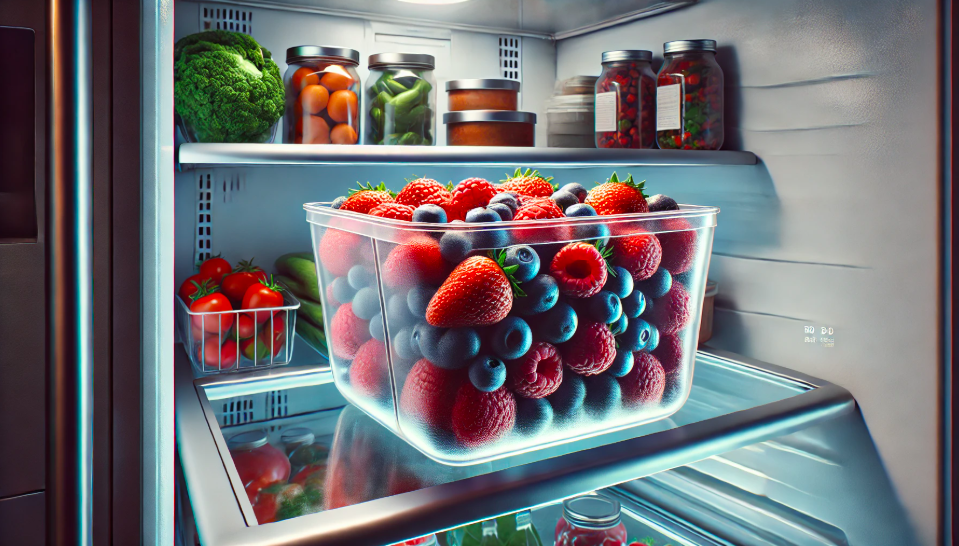
Berries typically last 3 to 7 days in the fridge, depending on the type of berry and how fresh they were when purchased. Strawberries, for example, can last up to 5 days, while blueberries and raspberries tend to last around 3 to 4 days. To maximize freshness, it's important to store berries in a breathable container and avoid washing them until just before use. The longer they are stored, the more likely they are to spoil or mold, especially if they are already overripe when placed in the fridge.
How Long Do Different Berries Last In The Fridge?
Different types of berries last varying amounts of time in the fridge. Strawberries usually stay fresh for about 3 to 7 days, and it's best to store them in their original container or a breathable one, without washing them until you’re ready to eat. Blueberries can last around 7 to 10 days when kept in a container lined with paper towels to absorb excess moisture. Raspberries, being delicate, last only 2 to 3 days, so it's important to store them in a shallow container and not wash them until you're ready to eat. Blackberries last a little longer, around 3 to 5 days, with similar storage recommendations as raspberries. Cranberries are more durable and can last up to 3 to 4 weeks in the fridge, and they can also be frozen for longer storage. Fresh goji berries, on the other hand, have a very short shelf life of about 1 week and should be stored in a sealed container in the fridge.
Tips To Extend The Freshness Of Berries
To keep berries fresh for as long as possible, there are several simple yet effective tips you can follow. These tips are backed by solid information from food experts and studies on food preservation:
1. Store Berries In The Fridge
Berries such as strawberries, raspberries, and blueberries should be kept in the fridge. The cool temperature slows down the ripening process and prevents mold growth. Don’t wash them before storing; moisture encourages mold.
2. Use A Ventilated Container
Place berries in a container that allows air to flow, such as a container with holes or a basket. This helps reduce moisture buildup and keeps the berries fresh longer.
3. Don’t Overcrowd
When storing berries, avoid piling them up too high. Overcrowding can cause the berries at the bottom to get squished, leading to faster spoilage. Spread them out in a single layer if possible.
4. Remove Damaged Or Overripe Berries
Before storing, carefully inspect the berries and remove any that are damaged, overripe, or showing signs of mold. One bad berry can spoil the rest.
5. Use Paper Towels
Place a paper towel at the bottom of the container to absorb any excess moisture. This helps keep the berries dry and prevents mold.
Can You Freeze Berries For Longer Storage?
Yes, you can freeze berries for longer storage. Freezing helps preserve their freshness and flavor for months, making it easy to enjoy them even when they’re out of season.
How To Freeze Berries:
1. Wash and Dry: Start by washing the berries thoroughly to remove any dirt or pesticides. After washing, dry them carefully with a towel to prevent ice crystals from forming.
2. Flash Freeze: Lay the berries out in a single layer on a baking sheet or tray. This helps keep the berries from sticking together when frozen. Place the tray in the freezer for a few hours until the berries are solid.
3. Store in Bags or Containers: Once the berries are frozen, transfer them to freezer-safe bags or containers. Be sure to squeeze out as much air as possible from the bags to prevent freezer burn.
4. Label and Date: Label the bags or containers with the type of berries and the date you froze them. This will help you keep track of how long they’ve been stored.
Factors That Affect Berry Shelf Life
Berries are a popular and healthy snack, but they have a short shelf life compared to many other fruits. Various factors affect how long they stay fresh, and understanding these can help you keep your berries in good condition for longer. Here are the key factors that influence the shelf life of berries:
1. Storage Temperature
Berries should be kept in the fridge, as colder temperatures slow down the growth of bacteria and mold. Storing them at room temperature can lead to quicker spoilage. The ideal fridge temperature is around 32°F (0°C) to 36°F (2°C). If berries are stored at higher temperatures, they will ripen and spoil faster.
2. Moisture
Excess moisture is one of the main causes of berries spoiling. When berries are wet, they are more likely to develop mold or rot. It’s important to keep them dry when storing them. If you’ve washed your berries, make sure to dry them thoroughly before placing them in the fridge. For best results, it’s often advised to wash berries just before eating, not before storing them.
3. Air Circulation
Berries need to "breathe," so it’s essential that the container they are kept in allows for proper airflow. Avoid storing them in airtight containers. Use a shallow container with a lid or a perforated plastic bag that allows air to circulate, helping to prevent moisture buildup and mold growth.
4. Quality At Purchase
The freshness of berries when you buy them plays a big role in how long they last. If you buy berries that are already bruised or overripe, they will spoil faster. Always check the berries for any signs of mold, softness, or wrinkling before buying, as these are indicators of age and poor quality.
5. Handling And Transport
How berries are handled from farm to store can also affect their shelf life. Berries are delicate and can bruise easily, which can cause them to spoil faster. Try to choose containers that don’t have any crushed berries, as damaged fruit will not last as long.
6. Variety Of Berry
Different types of berries have slightly different shelf lives. For example, strawberries and raspberries tend to spoil quicker than blueberries and blackberries. Some berries are naturally more resistant to mold and decay, which can influence how long they last in storage.
Signs That Berries Have Gone Bad
Here are some signs that berries have gone bad, based on trusted food safety sources:
1. Mold
If you notice fuzzy, green, or white spots on the berries, this is mold. Mold can grow quickly on fruit, especially when it's soft or overripe. If you see mold, it's best to throw the affected berries away.
2. Soft Or Mushy Texture
Berries should feel firm but not hard. If they feel squishy, mushy, or slimy, it’s a clear sign that they are overripe or starting to spoil. They may also leak juice.
3. Discoloration
Fresh berries should be their usual vibrant color, such as red, blue, or purple. If you notice significant color changes (like dark spots, browning, or fading), the berries may have gone bad.
4. Bad Smell
Berries that have spoiled often have a sour or fermented odor. If the berries smell off or unpleasant, it’s a strong sign that they are no longer fresh and should be discarded.
5. Wrinkling Or Shriveling
As berries age, they can lose moisture. This results in them becoming wrinkled, shriveled, or dried out. While they might not be harmful right away, they won’t taste as good and should be thrown out if they are excessively dried.
6. Sour Taste
If you eat a berry and it tastes sour or unusual, it might be spoiled. Fresh berries should taste sweet or slightly tart, depending on the type, but not bitter or overly sour.