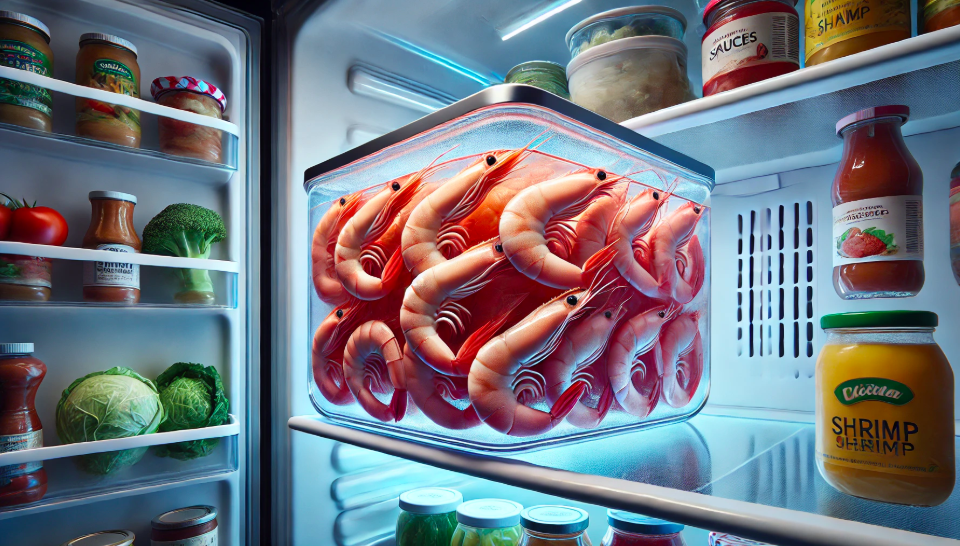
Boiled shrimp are a popular and versatile food, but their freshness does not last forever. When properly stored, boiled shrimp can stay safe to eat for 3 to 4 days in the refrigerator. This short shelf life is due to the fact that shrimp are highly perishable. To ensure your shrimp stay fresh, they should be placed in the fridge within two hours after cooking. This helps slow down the growth of bacteria that can cause spoilage.
It’s essential to store boiled shrimp in a refrigerator set to 40°F (4°C) or lower. Any warmer temperature increases the chance of bacterial growth. Even though refrigeration slows down spoilage, it does not stop it entirely. If you plan to keep boiled shrimp for more than a few days, freezing them is a better option to extend their usability.
To track how long your boiled shrimp have been in the fridge, it’s a good idea to mark the storage container with the date they were prepared. This can help you avoid eating shrimp that are no longer safe to consume.
Factors That Affect the Shelf Life of Boiled Shrimp
Several factors determine how long boiled shrimp will remain fresh in your refrigerator. Understanding these can help you store shrimp better and prevent food waste:
- Temperature Control The temperature at which shrimp are stored significantly affects their shelf life. Refrigerators should be kept at 40°F (4°C) or below to slow the growth of bacteria. Higher temperatures allow bacteria to multiply quickly, leading to faster spoilage.
- Time Left at Room Temperature Cooked shrimp should not be left out at room temperature for more than two hours. At temperatures between 40°F (4°C) and 140°F (60°C), bacteria multiply rapidly, increasing the risk of foodborne illness.
- Freshness Before Cooking The quality of the shrimp before boiling also impacts its shelf life. Shrimp that were fresh at the time of cooking last longer than those nearing the end of their freshness.
- Moisture and Storage Conditions Storing shrimp in an airtight container reduces exposure to moisture and air, which can speed up spoilage. Improperly sealed containers or exposure to air can lead to quicker deterioration.
- Handling Practices Proper handling, such as using clean utensils and containers, helps prevent cross-contamination and extends the shrimp's shelf life.
Proper Storage Tips for Boiled Shrimp in the Fridge
Correct storage is essential to maximize the freshness of boiled shrimp. Follow these tips to keep your shrimp safe and tasty:
- Cool Shrimp Quickly: Allow boiled shrimp to cool for no more than two hours before refrigerating. Leaving them out for longer increases the risk of bacteria growth.
- Use Airtight Containers: Store shrimp in shallow, airtight containers to reduce air exposure. Airtight containers also prevent the shrimp from absorbing other odors in the refrigerator.
- Avoid Aluminum Foil Alone: While foil can be used for covering food, it is not ideal for shrimp. Air can still seep through, causing spoilage.
- Refrigerate Immediately: Always place boiled shrimp in the fridge without delay. The sooner they are refrigerated, the longer they will last.
- Separate Portions: If you have a large batch, consider dividing shrimp into smaller portions before refrigerating. This allows you to take out only what you need, minimizing exposure to air each time the container is opened.
- Use Clean Utensils: Always use clean utensils to handle shrimp when transferring them to containers or serving.
Signs Boiled Shrimp Has Gone Bad
It’s crucial to recognize when shrimp are no longer safe to eat. Consuming spoiled seafood can lead to severe foodborne illnesses. Here are the key signs that your boiled shrimp may have gone bad:
- Foul Odor: Fresh shrimp have a mild, slightly sweet smell. If your boiled shrimp have a sour, ammonia-like, or rotten odor, they are no longer safe to eat.
- Slimy or Sticky Texture: If the shrimp feel slimy or overly sticky to the touch, it indicates bacterial growth, and they should be discarded immediately.
- Discoloration: Fresh shrimp are bright pink or white with a translucent appearance. Spoiled shrimp may appear dull, yellow, or show greenish spots.
- Mold or Fuzz: Visible mold or fuzzy growth on the shrimp is a sure sign of spoilage.
- Off Taste: If the shrimp taste bitter or "off," they should not be consumed, even if they look and smell fine.
Can You Freeze Boiled Shrimp to Extend Its Shelf Life?
Freezing is one of the best ways to extend the shelf life of boiled shrimp. When stored in the freezer, shrimp can remain fresh for up to 3 months without losing too much of their flavor or texture.
To freeze shrimp properly:
- Prepare for Freezing: Ensure the shrimp are cooled completely before freezing. Placing hot food directly into the freezer can lower the freezer’s temperature and affect nearby foods.
- Use Freezer-Safe Containers or Bags: Store shrimp in airtight, freezer-safe containers or heavy-duty freezer bags. Squeeze out as much air as possible before sealing.
- Label the Packaging: Mark the container or bag with the date of freezing so you know how long it’s been stored.
- Avoid Freezer Burn: To prevent freezer burn, you can add a layer of plastic wrap or aluminum foil over the shrimp inside the container before sealing.
Best Practices for Reheating Boiled Shrimp Safely
Reheating shrimp requires care to ensure safety and maintain their quality. Here’s how to do it right:
- Thaw Frozen Shrimp First: If your shrimp are frozen, thaw them in the refrigerator overnight. For quicker results, place the shrimp in a sealed bag and run cold water over them until thawed.
- Reheat Using Low Heat: Shrimp cook quickly, so avoid high heat to prevent overcooking. Use a skillet, microwave, or steamer and heat the shrimp gently until they are warmed through.
- Monitor Internal Temperature: The shrimp should reach an internal temperature of 165°F (74°C) to ensure safety.
- Do Not Reheat Multiple Times: Reheating shrimp more than once can increase the risk of foodborne illness and negatively affect their taste and texture.
Health Risks of Consuming Spoiled Shrimp
Eating spoiled shrimp can lead to severe health issues, as bacteria and toxins may have developed. The most common health risks include:
- Food Poisoning: Symptoms include nausea, vomiting, diarrhea, and abdominal cramps.
- Allergic Reactions: Spoiled shrimp may contain high levels of histamine, which can trigger allergic reactions in sensitive individuals.
- Bacterial Infections: Bacteria like Vibrio can cause severe infections, particularly in people with weakened immune systems.
How to Use Leftover Boiled Shrimp in Recipes
If you have leftover boiled shrimp, you can repurpose them into new dishes. Here are some creative ideas:
- Shrimp Tacos: Warm the shrimp and serve them in tortillas with cabbage, lime, and a creamy sauce.
- Seafood Salad: Toss shrimp with lettuce, cucumbers, tomatoes, and your favorite dressing for a quick and healthy meal.
- Shrimp Pasta: Add shrimp to a creamy pasta sauce or toss them with olive oil, garlic, and spaghetti.
- Shrimp Stir-Fry: Combine shrimp with fresh vegetables, soy sauce, and spices for a quick stir-fry dish.
- Shrimp Soup: Use shrimp to enhance seafood chowders, gumbo, or noodle soups.