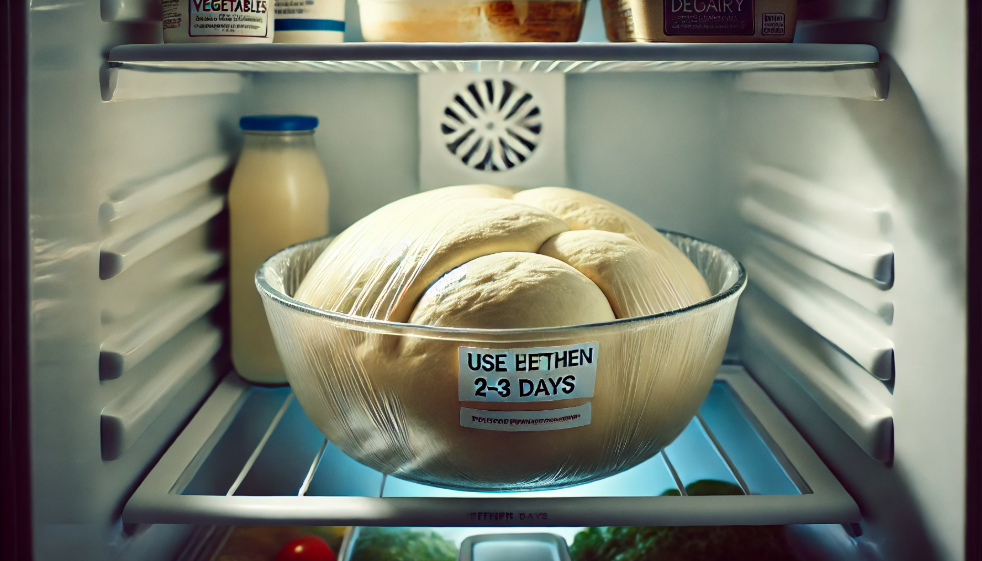
Bread dough can last in the refrigerator for up to 7 days, though its quality starts to decline after a few days. Ideally, you should use the dough within 3 to 5 days for the best flavor, texture, and performance during baking. The cold environment in the fridge slows down yeast activity, which helps prevent the dough from spoiling too quickly. However, leaving it in the refrigerator for too long can lead to over-fermentation, where the yeast runs out of food and the dough becomes weak or sour. The dough's longevity also depends on the recipe—doughs with higher sugar or fat content, such as enriched doughs, may last longer due to the preservative effects of these ingredients.
Factors That Affect Bread Dough’s Shelf Life in the Fridge
Several elements influence how long your bread dough can stay fresh in the refrigerator. Understanding these factors will help you store the dough effectively and maximize its shelf life.
1. Yeast Quantity
The amount of yeast in the recipe affects how quickly the dough ferments. If too much yeast is used, the dough may rise and ferment too quickly, even in the fridge, leading to a loss of structure and flavor. On the other hand, a dough with minimal yeast will ferment more slowly and may last longer in the refrigerator without becoming over-fermented.
2. Dough Temperature Before Refrigeration
The temperature of the dough when it goes into the fridge matters. If the dough is still warm, yeast activity will remain high for some time before the dough cools down completely. This can cause over-proofing. Allow the dough to cool to room temperature or just slightly warm before storing it in the fridge.
3. Recipe Composition
Bread dough with added sugars, fats (like butter or oil), or eggs tends to last longer in the refrigerator. These ingredients slow down the fermentation process and can help prevent the dough from drying out. On the other hand, lean doughs made with just flour, water, yeast, and salt may dry out or spoil more quickly.
4. Storage Method
How you store the dough also plays a crucial role. If the dough is not properly covered, it may develop a dry crust or absorb odors from the fridge. Use airtight containers or plastic wrap to prevent this.
5. Fridge Temperature
The refrigerator's internal temperature should be between 35°F and 40°F (1.6°C to 4.4°C). Higher temperatures can encourage yeast activity, while lower temperatures might cause the dough to freeze partially, affecting its texture.
How to Properly Store Bread Dough in the Fridge
Storing bread dough in the fridge requires careful preparation to ensure it remains usable. Follow these steps to store your dough effectively:
1. Knead and Shape the Dough
Prepare the dough according to your recipe. After kneading, let it rest for a few minutes to relax the gluten. This step is particularly important for doughs that will be refrigerated for several days.
2. First Rise
Allow the dough to rise at room temperature until it has doubled in size. This initial fermentation helps develop the dough's flavor and texture.
3. Punch Down the Dough
Gently punch down the dough to release built-up gases. This step also makes the dough easier to store and shape later.
4. Use an Airtight Container
Place the dough in an airtight container or wrap it tightly in plastic wrap. This prevents the dough from drying out and protects it from absorbing odors from the fridge.
5. Refrigerate Promptly
Transfer the covered dough to the refrigerator. For best results, store the container on the middle shelf, away from the fridge walls, where the temperature is most consistent.
Signs Your Bread Dough Has Gone Bad
Bread dough can spoil even when stored in the refrigerator. Look for the following signs to determine if your dough is still safe to use:
1. Mold Growth
Visible mold is a clear indicator that the dough has gone bad. Mold can appear as green, black, or white spots on the surface of the dough. If you notice mold, discard the dough immediately.
2. Unpleasant Smell
Fresh dough has a mild yeasty smell, but spoiled dough may develop a strong sour or rancid odor. If the dough smells off, it is likely no longer safe to use.
3. Change in Texture
Spoiled dough may become overly sticky, slimy, or hard. These textural changes often indicate that the dough has started to break down.
4. Discoloration
If the dough changes color, such as developing grayish or greenish patches, it is no longer safe to use.
Can You Freeze Bread Dough for Longer Storage?
Freezing is an excellent option for storing bread dough long-term. When properly frozen, bread dough can last for up to 6 months without losing its quality. Here’s how to freeze and thaw bread dough effectively:
Freezing Bread Dough
Label the Container: Write the date and type of dough on the container to keep track of its storage time.
Wrap Tightly: Wrap the dough tightly in plastic wrap and place it in a freezer-safe bag or airtight container. Remove as much air as possible to prevent freezer burn.
Allow Partial Rising: Let the dough rise partially, about halfway to its expected final volume.
Shape the Dough: Prepare and shape the dough according to your recipe.
Thawing and Baking Frozen Dough
Bake as directed in your recipe.
Bring the dough to room temperature before allowing it to rise fully.
Transfer the frozen dough to the refrigerator and let it thaw overnight.
Tips to Extend the Freshness of Refrigerated Bread Dough
Follow these tips to keep your bread dough fresh and in good condition while stored in the refrigerator:
1. Use Fresh Ingredients
Start with high-quality, fresh ingredients to maximize the dough's shelf life. Old flour or expired yeast can cause the dough to spoil faster.
2. Measure Ingredients Accurately
Using too much or too little of certain ingredients, especially yeast, can affect how long the dough lasts in the fridge.
3. Store in Airtight Containers
Always use airtight containers or tightly sealed plastic wrap to prevent the dough from drying out or absorbing odors.
4. Control the Fridge Temperature
Ensure your refrigerator maintains a consistent temperature between 35°F and 40°F (1.6°C to 4.4°C). Avoid opening the fridge frequently to keep the temperature stable.
5. Check Dough Regularly
Inspect your dough daily for any signs of spoilage, such as discoloration or an off smell. If you notice any issues, it’s best to discard the dough.
6. Refrigerate Quickly
Don’t leave the dough at room temperature for extended periods before refrigerating. This minimizes the risk of over-fermentation and bacterial growth.
7. Freeze for Long-Term Storage
If you don’t plan to use the dough within a few days, freezing it is the best option to extend its shelf life.