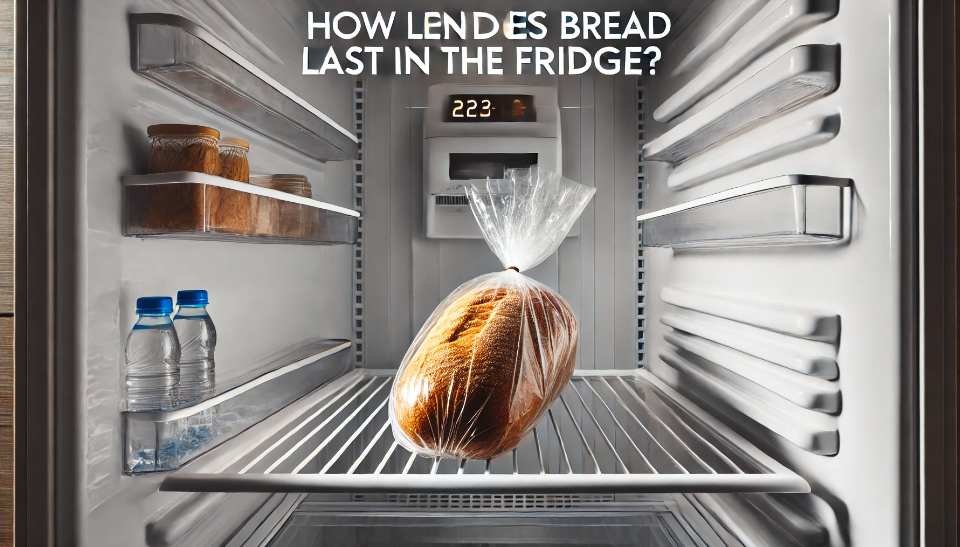
Bread typically lasts about 1 to 2 weeks in the fridge. However, the quality may degrade over time, becoming drier or more stale. Storing bread in the fridge can help extend its shelf life, particularly in warmer climates, but it may affect its texture compared to room temperature storage.
For optimal freshness, if you don’t plan to consume the bread within a week or two, you may want to freeze it. Bread can be frozen for 3 to 6 months, and you can thaw slices as needed.
Understanding the Shelf Life of Bread in the Fridge
Shelf Life of Bread in the Fridge
- Store-Bought Bread: When kept in the fridge, store-bought bread can last between 7 to 14 days.
- Homemade Bread: Homemade bread typically lasts 5 to 8 days in the refrigerator.
Effects of Refrigeration on Bread
Refrigeration slows down mold growth, which helps prevent spoilage. However, it can also cause bread to become stale more quickly due to a process called retrogradation, where starches crystallize and lose moisture.
Proper Storage Tips
To minimize staling when refrigerating bread:
- Seal Tightly: Wrap the bread well in plastic wrap or place it in an airtight container to retain moisture.
- Use the Right Packaging: For store-bought bread, keeping it in its original packaging can help maintain freshness.
Factors That Affect Bread’s Freshness in the Fridge
Here are the factors that affect bread's freshness in the fridge:
- Temperature: The fridge should be set between 35°F and 40°F (1°C to 4°C). This helps slow mold growth and keeps the bread fresh for a longer time.
- Moisture Levels: Too much moisture can cause mold, and too little can make the bread dry. It's important to store bread in airtight bags or containers to maintain the right balance.
- Air Exposure: Air can cause bread to go stale faster. Keeping it sealed in a bag or container helps prevent this.
- Type of Bread: Different types of bread have different moisture levels. For example, breads with higher moisture, like artisanal loaves, can spoil faster than drier breads, such as baguettes.
- Preservatives: Commercially made bread often contains preservatives that extend its freshness, whereas homemade bread, which typically doesn’t contain preservatives, can spoil more quickly.
Signs Bread Has Gone Bad in the Fridge
Here are the signs that bread has gone bad when stored in the fridge:
- Mold Growth: Visible mold appears as green, blue, or black spots on the bread's surface. If you see any mold, discard the entire loaf, as mold can penetrate deep into the bread.
- Unpleasant Odor: Fresh bread has a pleasant, yeasty smell. A sour or musty odor indicates spoilage, and the bread should not be consumed.
- Hard or Dry Texture: If the bread feels excessively hard, dry, or crumbly, it may be stale. While stale bread isn't harmful, it may not taste good.
- Discoloration: Any unusual color changes, such as dark spots or uneven coloring, can be a sign that the bread has gone bad.
Can You Freeze Bread for Longer Storage
Yes, you can freeze bread to store it for longer periods. Freezing helps keep it fresh and prevents it from becoming stale or moldy. To do this, wrap the bread tightly in plastic wrap, and then place it in a freezer-safe bag or wrap it with aluminum foil. This double layer prevents freezer burn and preserves the bread's quality.
It's best to freeze bread when it is fresh. If you have extra bread that you won’t finish in time, freezing it is a great option. If you're freezing sliced bread, you can freeze the entire package as it is. When you need a slice, just take it from the freezer and toast it directly.
To thaw frozen bread, leave it at room temperature for a few hours or overnight. If you're in a hurry, you can toast the frozen slices directly. For whole loaves, you can warm them in the oven to refresh the crust.
Best Practices for Extending Bread’s Shelf Life
. Use of Preservatives:
- Natural Additives: Incorporate natural preservatives like cinnamon, which has antimicrobial properties, to help prevent mold growth.
- Commercial Preservatives: Bakers often use preservatives such as calcium propionate to inhibit mold and extend shelf life.
. Maintain Hygiene:
Clean Environment: Ensure that the area where bread is prepared and stored is clean to prevent contamination.