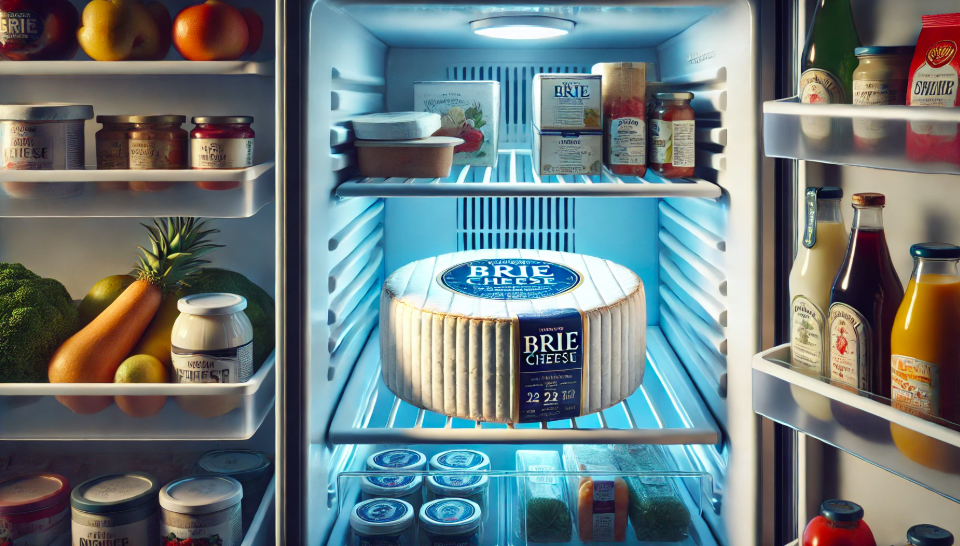
Unopened Brie cheese can typically last in the refrigerator for about three weeks. This duration is influenced by factors such as the cheese's production date, packaging, and storage conditions. It's important to check the "best by" or "use by" date on the packaging, as this provides guidance on optimal freshness. However, even if this date has passed, Brie may still be safe to eat if it shows no signs of spoilage.
Ideal Storage Conditions for Unopened Brie
To maintain the quality of unopened Brie cheese, store it in the coldest part of your refrigerator, typically the back. Keep it in its original packaging to protect it from absorbing other odors and to prevent it from drying out. If the original packaging is damaged, transfer the cheese to an airtight container or wrap it tightly in wax paper or parchment paper, then place it inside a plastic bag or airtight container. This method helps preserve its moisture and flavor.
Shelf Life of Brie Cheese: Does It Vary by Type?
The shelf life of Brie cheese can vary depending on its type and how it's made. Traditional Brie, often labeled as "double cream," has a higher fat content and a creamier texture, which can influence its aging process. Some varieties, like "triple cream" Brie, have even more fat, affecting their shelf life and flavor profile. Generally, these cheeses have similar storage requirements, but it's advisable to check the specific recommendations provided by the manufacturer.
Signs That Brie Cheese Has Gone Bad
It's essential to recognize when Brie cheese has spoiled to avoid consuming it. Common signs of spoilage include:
- Unpleasant Odor: A strong ammonia-like smell indicates that the cheese has overripe and is no longer safe to eat.
- Discoloration: The rind may develop dark gray or black patches, and the interior can turn brown or harden, signaling spoilage.
- Texture Changes: If the cheese becomes excessively soft, slimy, or grainy, it's best to discard it.
- Mold Growth: While Brie naturally has a white, bloomy rind, any mold growth beyond this can indicate spoilage.
If you notice any of these signs, it's safer to dispose of the cheese to prevent foodborne illness.
Can You Freeze Brie to Extend Its Shelf Life?
Freezing Brie cheese is possible, but it can affect its texture and flavor. When frozen, Brie may become crumbly and lose some of its creamy characteristics. If you choose to freeze it, wrap the cheese tightly in wax paper or parchment paper, then place it in an airtight container or heavy-duty freezer bag. Frozen Brie can last up to six months. However, for the best quality, it's recommended to consume it within one to two months.
Tips for Maximizing the Freshness of Brie Cheese
To keep your Brie cheese fresh for as long as possible, consider the following tips:
- Proper Storage: Always store Brie in the refrigerator at a consistent temperature between 35°F and 45°F (1.7°C to 7.2°C).
- Avoid Freezing: While freezing is an option, it's best to consume Brie fresh to enjoy its optimal texture and flavor.
- Use Clean Utensils: When handling Brie, use clean utensils to prevent contamination and the growth of harmful bacteria.
- Check for Spoilage: Regularly inspect the cheese for any signs of spoilage, such as unusual odors, discoloration, or mold growth.
What Happens If You Eat Expired Brie?
Consuming expired or spoiled Brie cheese can lead to foodborne illnesses, with symptoms like nausea, vomiting, diarrhea, and stomach cramps. Soft cheeses like Brie are particularly susceptible to contamination by harmful bacteria such as Listeria, which can cause serious health issues, especially in vulnerable populations like pregnant women, the elderly, and those with weakened immune systems.
To minimize the risk of foodborne illness, always check the expiration date on Brie cheese packaging, store it properly, and be vigilant for any signs of spoilage. If in doubt about the cheese's safety, it's best to err on the side of caution and avoid consuming it.