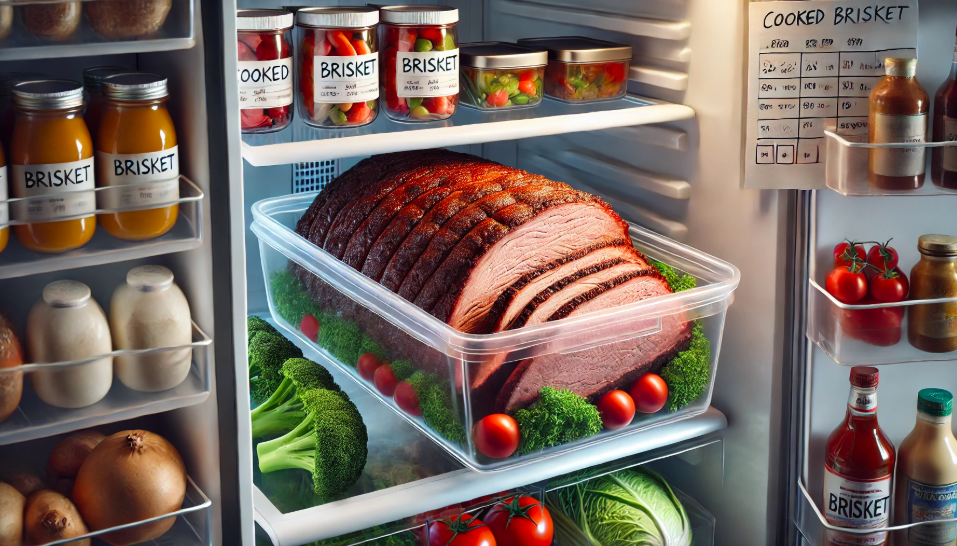
Cooked beef brisket can be safely stored in the refrigerator for 3 to 4 days. To maximize its shelf life, place the brisket in shallow airtight containers or wrap it tightly with heavy-duty aluminum foil or plastic wrap. If you wish to store it longer, freezing is an option; properly stored, cooked brisket maintains its best quality for about 2 to 3 months in the freezer.
Ideal Storage Conditions For Cooked And Uncooked Brisket
Proper storage of brisket, whether cooked or uncooked, is essential to maintain its quality and ensure safety. Here are straightforward guidelines:
Storing Uncooked Brisket:
- Refrigeration:Keep fresh brisket in the coldest part of your refrigerator, ideally between 35°F and 40°F (1.6°C to 4.4°C). It can be stored safely for up to five days.
- Freezing:For longer storage, wrap the brisket tightly to prevent freezer burn and place it in the freezer. Properly wrapped, it can last from six to twelve months.
Storing Cooked Brisket:
- Refrigeration:If the brisket was cooked without liquid or gravy, it can be refrigerated for up to four days. If stored with gravy, consume it within two days.
- Freezing:Cooked brisket without liquid can be frozen for up to two months. With gravy, it can be frozen for up to three months. Ensure it's wrapped well and placed in an airtight container.
Additional Tips:
- Cooling:After cooking, let the brisket cool to room temperature before refrigerating or freezing. This helps prevent moisture buildup and bacterial growth.
- Slicing:For easier reheating, consider slicing the brisket before storing. However, keep in mind that slicing can expose more surface area to air, potentially leading to faster moisture loss.
- Reheating:When ready to eat, reheat the brisket to an internal temperature of 165°F (74°C) to ensure safety.
How To Properly Store Brisket In The Fridge?
Properly storing brisket in the refrigerator is essential to maintain its freshness and prevent spoilage. Follow these straightforward steps:
- Cool the Brisket: After cooking, allow the brisket to cool to room temperature. This helps prevent condensation, which can lead to bacterial growth.
- Wrap the Brisket: Once cooled, wrap the brisket tightly in plastic wrap or aluminum foil. This prevents air exposure, which can dry out the meat.
- Use Airtight Containers: For added protection, place the wrapped brisket in an airtight container or a resealable plastic bag. This helps maintain moisture and prevents the brisket from absorbing other odors in the fridge.
- Store in the Coldest Part of the Fridge: Place the brisket on the bottom shelf of the refrigerator, where it's coldest. This helps keep the meat fresh and reduces the risk of bacterial growth.
- Consume Within 3-4 Days: For optimal taste and safety, eat the refrigerated brisket within 3 to 4 days. If you need to store it longer, consider freezing it.
Signs Your Brisket Has Gone Bad
To determine if your brisket has spoiled, look for these signs:
- Sour or Unpleasant Odor: Fresh brisket should have a mild smell. A sour or off-putting odor indicates spoilage.
- Discoloration: Fresh brisket is typically bright red. If it turns dull, grayish, or greenish, it's a sign of spoilage.
- Slimy or Sticky Texture: A slimy or sticky surface suggests bacterial growth, indicating the meat is no longer safe to eat.
- Mold Growth: Visible mold on the meat is a clear indication that it should be discarded.
Always store brisket properly to prevent spoilage. Raw brisket should be refrigerated and consumed within 3 to 5 days. Cooked brisket can be stored in the refrigerator for 3 to 4 days. If you notice any of the above signs, it's best to discard the meat to avoid the risk of foodborne illness.
Can You Freeze Brisket For Longer Storage?
Yes, you can freeze brisket to extend its shelf life. Freezing slows down spoilage by halting the growth of microorganisms and enzyme activity. To freeze brisket properly, wrap it tightly in plastic wrap or use a vacuum-sealed bag to reduce air exposure and prevent freezer burn. Ensure the freezer temperature is set to 0°F (-18°C) or below to preserve the quality of the meat.
When ready to use the frozen brisket, thaw it slowly in the refrigerator, which helps retain its texture and flavor. Avoid defrosting in the microwave, as it can negatively affect the meat's quality. Properly frozen and stored brisket can last several months without a significant loss of flavor or texture, making it a convenient option for longer storage.
Tips For Reheating Refrigerated Brisket Safely
Reheating refrigerated brisket can be done safely and effectively by following these straightforward steps:
- Storage: After cooking, allow the brisket to cool slightly. Wrap it tightly in aluminum foil or place it in an airtight container. Refrigerate promptly, ideally within two hours, to prevent bacterial growth.
- Preparation: Before reheating, let the brisket sit at room temperature for about 20 to 30 minutes. This ensures even heating throughout the meat.
Reheating Methods:
- Oven: Preheat your oven to 325°F (163°C). Place the brisket in a baking dish, adding any leftover juices or a bit of beef broth to maintain moisture. Cover the dish tightly with aluminum foil. Heat until the internal temperature reaches 165°F (74°C), which typically takes about 20 minutes for slices and up to an hour for a whole brisket.
- Sous Vide: Seal the brisket in a vacuum bag. Set your sous vide machine to 150°F (66°C) and immerse the bag in water. Heat until the brisket reaches the same temperature as the water, which can take several hours depending on the size.
- Slow Cooker: Place the brisket in the slow cooker with any reserved juices or a bit of broth. Set to low heat and cook for 3 to 4 hours, or until the internal temperature reaches 165°F (74°C).
- Avoid Microwaving: Reheating brisket in the microwave is not recommended, as it can cause the meat to become dry and tough.
- Safety Check: Always use a meat thermometer to ensure the internal temperature of the brisket reaches at least 165°F (74°C) before serving. This ensures the meat is safe to eat.