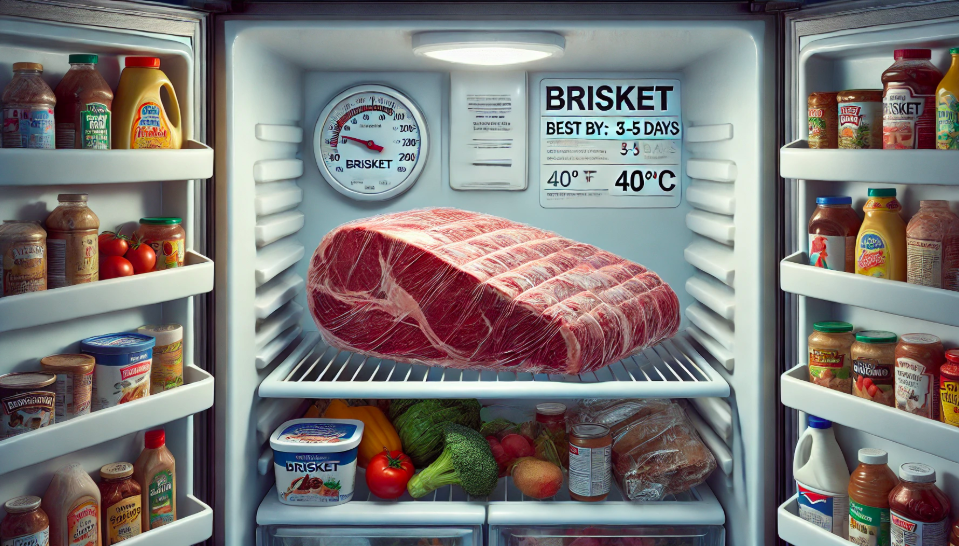
Brisket can stay good in the fridge for about 3 to 4 days when properly stored. It's important to ensure that the brisket is tightly wrapped in plastic wrap, aluminum foil, or placed in an airtight container to prevent moisture loss and contamination. If it's cooked, make sure to refrigerate it within two hours of cooking to avoid bacterial growth. For raw brisket, it should ideally be used within 1 to 2 days of purchase, though it can last up to 5 days. If you don't plan to consume it within that time frame, freezing is a good option to extend its shelf life for up to 6 months.
Storing Brisket Properly
Properly storing brisket is essential to maintaining its freshness and flavor, whether you're dealing with raw or cooked brisket. Storing meat the right way prevents spoilage, preserves its taste, and ensures that it's safe to eat. Whether you're preparing brisket for a big meal or storing leftovers, following the best practices can make a big difference in the quality of the meat. The key is to keep it at the right temperature and in the right packaging to prevent bacterial growth and maintain its texture. In this guide, we’ll cover how to store brisket in the fridge or freezer, the best containers to use, and how long it can safely stay stored.
How Long Can Cooked Brisket Last In The Fridge?
To ensure it stays fresh and safe to eat, keep the brisket in an airtight container or tightly wrapped in plastic wrap or aluminum foil. Make sure your fridge is set to 40°F (4°C) or lower, as bacteria grow quickly at higher temperatures.
For the best quality, it’s recommended to eat it within this timeframe. After 4 days, the brisket may start to lose flavor and texture, and the risk of foodborne illness increases.
If you need to keep it for a longer period, you can freeze cooked brisket. When frozen, it can last for up to 2 to 3 months. Just make sure to wrap it well to prevent freezer burn.
How To Properly Store Brisket In The Fridge
To properly store brisket in the fridge, you want to make sure it stays fresh and safe to eat. Here are the steps based on trusted sources:
1. Cool It Down First
After cooking brisket, let it cool to room temperature before storing it. However, do not leave it out for more than 2 hours, as bacteria can start to grow.
2. Wrap It Well
Wrap the brisket tightly in plastic wrap or aluminum foil to prevent air from getting in. This helps keep the meat fresh and prevents it from drying out. You can also place it in an airtight container or a resealable plastic bag.
3. Store In The Coldest Part Of The Fridge
Place the wrapped brisket in the coldest part of your fridge, typically near the back. This helps keep the temperature stable and ensures the brisket stays safe for longer.
4. Label And Date
If you plan to store brisket for a while, label the package with the date it was cooked. This helps you keep track of how long it’s been in the fridge.
Best Practices For Extending Brisket’s Freshness
Here are some best practices for extending the freshness of brisket, based on trusted sources like the USDA, food safety guidelines, and expert recommendations:
1. Proper Storage
- Refrigeration: Always store raw brisket in the refrigerator.If you're not planning to cook it within a few days, freezing is a better option.
- Freezing: If you're not using the brisket soon, freezing is a great way to keep it fresh. Wrap it tightly in plastic wrap, foil, or use a vacuum-sealed bag to prevent air from getting in. This helps avoid freezer burn and preserves the meat for up to 6 months.
- Thawing: When you're ready to use frozen brisket, thaw it in the refrigerator (not at room temperature). This helps maintain safety and quality.
2. Handling With Clean Hands And Tools
- Always wash your hands before handling raw meat. Use clean cutting boards and knives to prevent cross-contamination. If you've touched the brisket, wash everything, including your hands, surfaces, and utensils, with hot, soapy water.
3. Vacuum Sealing Or Proper Packaging
- Vacuum-sealing brisket helps preserve its freshness by removing air, which can slow down the spoiling process. If you don’t have a vacuum sealer, wrapping it tightly in plastic wrap and aluminum foil can work as well.
4. Cooked Brisket Storage
- After cooking, let the brisket cool to room temperature (no more than 2 hours) before refrigerating it. Store it in an airtight container or wrap it well in plastic wrap or foil. The cooked brisket should be used within 3-4 days for best taste and safety.
- If you want to keep it longer, freezing cooked brisket can extend its shelf life for up to 2-3 months.
5. Use Before "Sell By" Or "Use By" Dates
- Pay attention to the "sell by" and "use by" dates on the packaging. These are good indicators of when the meat is freshest. Even when frozen, it's best to consume it within 6 months to get the best taste and texture.
6.Don't Leave Brisket At Room Temperature Too Long
- Never leave raw or cooked brisket out at room temperature for more than 2 hours. If it's a hot day, reduce this time to 1 hour. Bacteria can multiply quickly at room temperature, which can cause foodborne illness.
By following these practices, you can extend the freshness of your brisket and keep it safe for consumption while preserving its flavor and quality.
Factors That Affect Brisket Shelf Life
The shelf life of brisket can be influenced by several factors:
1. Packaging: Proper packaging helps preserve freshness. Vacuum-sealed or tightly wrapped brisket in plastic can prevent air and moisture from spoiling it.
2. Freshness at Purchase: The sooner you buy brisket after it's slaughtered, the longer it will last. Fresh brisket lasts longer than older cuts.
3.Exposure to Air: The more air the brisket is exposed to, the faster it spoils. This is why wrapping it well is important.
4.Curing and Smoking: Cured or smoked brisket can last longer than fresh because the process reduces moisture and increases preservation.
These factors all contribute to the ultimate shelf life of brisket, and managing them carefully helps reduce waste and maintain quality.
Signs That Brisket Has Gone Bad
Brisket, like any other meat, can go bad if not stored properly or if it is kept too long. Here are signs that your brisket has spoiled:
1. Off Smell
If your brisket has a sour, rotten, or unpleasant odor, it’s a strong indication that it has gone bad. Fresh brisket should have a mild, neutral smell. Any strong or foul odor is a warning sign.
2. Color Change
Fresh brisket is typically a deep red color. If the meat turns a brownish, grey, or greenish hue, it’s no longer safe to eat. While some browning can happen over time, drastic color changes are a sign of spoilage.
3. Slimy Or Sticky Texture
When you touch the brisket, it should feel firm and moist, but not slimy. If it feels sticky or slippery, it’s an indication that bacteria have started to grow, and the meat is no longer safe to eat.
4. Unusual Mold Growth
If you see mold on the surface of the brisket, it is spoiled and should be discarded immediately. Mold can appear as green, blue, or white fuzzy spots on the meat.
5. Excessive Softness
If the brisket feels unusually soft or mushy to the touch, it may have started to decompose. Fresh meat should be firm to the touch.