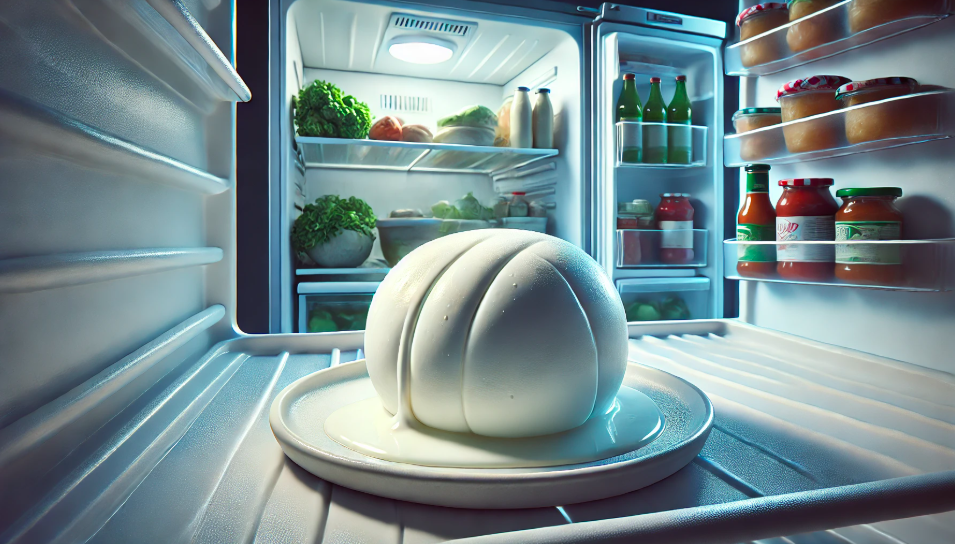
Burrata is a fresh Italian cheese that consists of a mozzarella shell filled with a soft, creamy interior made of stracciatella and cream. Its delicate composition makes it highly perishable, and proper storage is critical for maintaining its freshness. Typically, unopened burrata can last in the refrigerator for about 2 to 4 weeks, depending on factors such as its production process, packaging, and storage conditions. The "best before" date on the packaging is a good guideline, but burrata is at its best when consumed as fresh as possible.
Once you open the package, burrata's shelf life significantly decreases. Exposure to air and potential contamination shortens its usability. Opened burrata should ideally be consumed within 1 to 3 days for the best taste and texture. After this point, it may start to deteriorate quickly. For this reason, it’s advisable to buy burrata only when you plan to use it soon and to handle it with care.
Factors Affecting Burrata’s Freshness
Several elements influence how long burrata will stay fresh, both unopened and after the package is opened. Here are the most significant factors:
1. Production Method
Artisan burrata, often made using traditional methods, is typically free from preservatives. While this makes it richer in flavor and more authentic, it also shortens its shelf life compared to mass-produced burrata that may contain stabilizers to extend its usability. Handmade burrata might only last a week or two unopened, while store-bought varieties may last longer.
2. Packaging
Burrata is usually stored in a liquid solution like water or whey to maintain its moisture and freshness. The quality of the packaging plays a significant role in preserving the cheese. Airtight, vacuum-sealed packaging can help keep the cheese fresh for a longer time. Poorly sealed or damaged packaging will allow air to seep in, hastening spoilage.
3. Storage Temperature
Temperature is crucial when storing burrata. It should be refrigerated at a consistent temperature between 32°F and 40°F (0°C to 4°C). Higher temperatures can cause rapid bacterial growth, which leads to spoilage. Additionally, frequent fluctuations in temperature, such as keeping the cheese near the fridge door, can reduce its shelf life.
4. Handling
The way burrata is handled can also affect its freshness. If it's exposed to contaminants during use, such as unwashed hands or utensils, bacteria can spread to the cheese, reducing its quality and safety. Always use clean utensils and avoid touching the cheese directly to preserve its integrity.
Proper Storage Tips For Burrata In The Fridge
To make the most of burrata’s short shelf life and preserve its unique flavor and creamy texture, follow these storage tips:
1. Keep It Sealed
If the burrata is still in its original packaging, ensure that it remains sealed until you’re ready to use it. If you've opened the package, transfer the cheese and its liquid to an airtight container to minimize air exposure. This helps prevent drying out and contamination.
2. Store It In Liquid
Burrata is often packaged in water or whey to keep it moist. If you open the package and don’t consume the cheese immediately, store it submerged in a similar liquid. You can use salted water as a substitute if the original liquid is no longer usable. This step is critical for preserving the soft, creamy center of the cheese.
3. Avoid Temperature Fluctuations
Store burrata in the coldest part of your refrigerator, typically near the back or bottom shelves, where the temperature is most stable. Avoid placing it in the fridge door, as this area is subject to frequent changes in temperature.
4. Keep It Away From Strong Smells
Burrata can absorb odors from other foods in your refrigerator, which may alter its taste. Store it in a tightly sealed container and away from strong-smelling items like onions or fish.
5. Consume Quickly
Even with proper storage, burrata is best consumed soon after opening. The sooner you eat it, the more you’ll enjoy its fresh, milky flavor and creamy texture.
Signs That Burrata Has Gone Bad
Given burrata’s short shelf life, it's essential to recognize the signs of spoilage to avoid consuming unsafe food. Here are some clear indicators that burrata has gone bad:
1. Off Smell
One of the first signs of spoiled burrata is a sour or rancid odor. Fresh burrata should have a mild, slightly milky aroma. If it smells sour, acidic, or unpleasant, it’s likely spoiled.
2. Discoloration
Burrata should have a creamy white color. Any yellowing, dark spots, or visible mold growth indicates that the cheese is no longer safe to eat.
3. Texture Changes
Fresh burrata has a firm outer shell with a soft, creamy interior. If the outer shell becomes slimy, overly hard, or mushy, it’s a sign of spoilage. Similarly, if the creamy filling develops a gritty or watery texture, the cheese should be discarded.
4. Taste
If you taste burrata and notice that it’s overly sour or has a metallic or bitter flavor, it’s best not to consume it further. Spoiled cheese can carry harmful bacteria that may cause illness.
Can You Freeze Burrata For Longer Storage?
Technically, burrata can be frozen, but it’s not recommended. Freezing drastically alters the texture and taste of the cheese. The creamy filling, which is the highlight of burrata, may become grainy or lose its smooth consistency after thawing. The outer shell can also become rubbery and lose its elasticity.
If you must freeze burrata, follow these steps:
- Wrap it tightly in plastic wrap to minimize freezer burn.
- Place it in an airtight container or freezer bag.
- Freeze it as soon as possible after purchase to lock in freshness.
When you’re ready to use it, thaw the burrata in the refrigerator overnight. Avoid microwaving it to defrost, as this can further damage its texture. Even with these precautions, frozen burrata is better suited for cooking purposes, such as blending into sauces or using in baked dishes, rather than eating fresh.
Best Practices For Using Leftover Burrata
If you have leftover burrata, it’s important to use it wisely to avoid waste while still enjoying its unique qualities. Here are some ideas:
1. Incorporate Into Recipes
Burrata’s creamy texture makes it an excellent addition to various dishes. Add it to salads, pasta, or risotto for a rich, flavorful boost. It pairs well with fresh vegetables, olive oil, and herbs like basil.
2. Use It As A Topping
Burrata can elevate the taste of pizzas, flatbreads, and sandwiches. Place it on top of your dish just before serving to maintain its creamy consistency.
3. Serve With Fresh Ingredients
Leftover burrata shines when paired with simple, fresh ingredients. Combine it with ripe tomatoes, a drizzle of olive oil, and a sprinkle of sea salt for a classic Caprese-inspired dish. Add prosciutto or crusty bread for a complete appetizer.
4. Cook It Into Sauces
If the texture of leftover burrata has slightly degraded, use it in recipes where it will be melted, such as creamy sauces, soups, or casseroles. The cheese will still contribute its rich flavor.
5. Store Properly
Ensure that any leftover burrata is stored in an airtight container with its liquid to prevent drying out. Always consume leftovers within a couple of days to avoid spoilage.