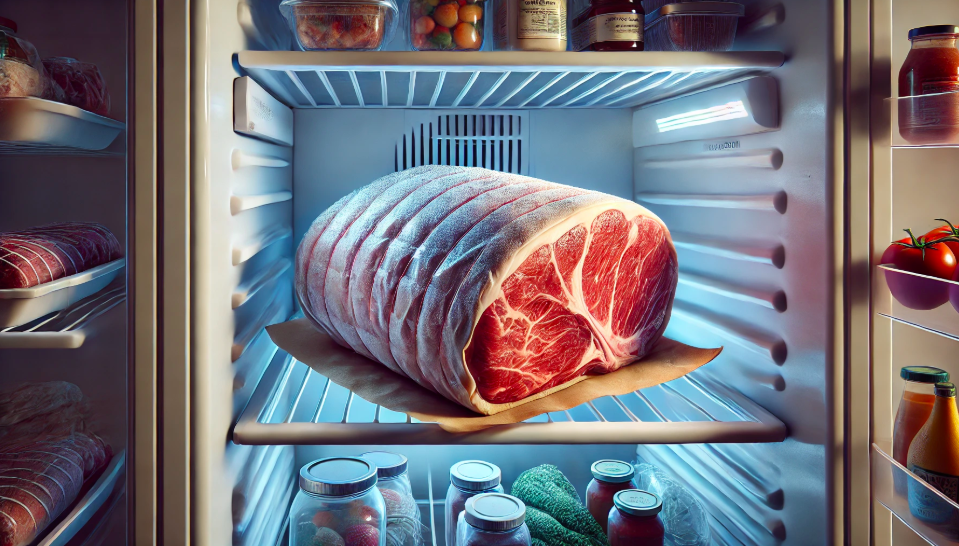
The shelf life of butcher meat in the fridge can vary depending on the type of meat and how it's stored. Generally, fresh beef, lamb, or pork from the butcher can last between 3 to 5 days in the refrigerator if properly stored. It's important to keep the meat in its original packaging or wrap it tightly in plastic wrap, foil, or butcher paper to prevent exposure to air, which can lead to spoilage. Ground meat, such as ground beef or lamb, typically lasts 1 to 2 days in the fridge due to its increased surface area. For longer storage, freezing butcher meat is a good option, as it can last several months in the freezer.
General Guidelines For Storing Butcher Meat In The Fridge
To store butcher meat safely in the fridge, it’s important to keep the temperature at or below 40°F (4°C), which helps slow bacterial growth. Always seal the meat tightly in plastic wrap, foil, or a vacuum-seal bag to prevent air and bacteria contamination. Storing meat on the bottom shelf is recommended to avoid any juices dripping onto other foods. Raw meat should be kept separate from cooked foods to prevent cross-contamination. Butcher meat typically has a shorter shelf life than prepackaged meat: ground meat should be used within 1–2 days, while beef, lamb, pork, and veal can last 3–5 days, and poultry should be consumed within 1–2 days. Cooked meats should be eaten within 3–4 days. It’s also important not to overcrowd the fridge, as this can prevent proper air circulation and cause the meat to spoil more quickly. Regularly check the meat for signs of spoilage, such as off smells, discoloration, or a slimy texture. If you need to store meat for a longer period, freezing it is a better option. Finally, when thawing frozen meat, always do so on the bottom shelf to prevent any juices from contaminating other items in the fridge.
How To Properly Store Butcher Meat In The Fridge
To properly store butcher meat in the fridge and keep it fresh, follow these easy steps based on solid advice from food safety experts like the USDA:
1.Use Clean Containers
Place the meat in clean, air-tight containers or wrap it tightly in plastic wrap, wax paper, or aluminum foil. This prevents the meat from touching other foods and helps prevent spills.
2. Store Meat On The Bottom Shelf
Put the meat on the bottom shelf of the fridge. This prevents any juices from dripping onto other foods and causing contamination.
3. Use Meat Quickly
Different types of meat last for different amounts of time in the fridge:
- Fresh ground meat(like beef, pork, or turkey) should be used within 1-2 days.
- Steaks, chops, and roastscan last for 3-5 days.
- Poultry (chicken, turkey, etc.)should be used within 1-2 days.
If you don't plan to use the meat within these times, it’s better to freeze it.
4. Check For Freshness
Before using the meat, check for any signs of spoilage. This includes any change in color, unusual smells, or a slimy texture. If the meat has any of these signs, it should be thrown away.
5. Keep Raw And Cooked Meat Separate
Store raw meat away from ready-to-eat foods like vegetables or fruits. This prevents cross-contamination and keeps the cooked food safe.
6. Don't Overcrowd The Fridge
Make sure there’s enough airflow around the meat to keep it at the proper temperature. Don’t overcrowd the fridge, as this can prevent air from circulating properly.
What To Do If Butcher Meat Is Past Its Prime
If you find that butchered meat is past its prime, there are several things you can do to handle it safely and make sure you avoid any health risks. Here's what to do:
1. Check For Signs Of Spoilage
First, look at the meat. Spoiled meat may have:
- A bad smell(a sour or rancid odor).
- A slimy textureor a sticky surface.
- Discoloration, like turning brown, gray, or green.
- Excessive dryness(for cuts like steaks) or pooling liquid.
2. Don’t Take Chances: Dispose Of It Safely
If the meat shows any signs of spoilage, it’s best to throw it away. Eating bad meat can cause food poisoning or other health issues. Make sure to dispose of it properly, especially if it's ground meat or poultry, which spoil faster.
To safely dispose:
- Place it in a sealed bag to prevent contamination.
- Keep it away from other food in your trash can.
Safe Meat Handling Practices To Prevent Spoilage.
Safe meat handling is essential to prevent spoilage, maintain quality, and reduce the risk of foodborne illnesses. Here are key practices to ensure meat stays fresh and safe:
1.Proper Thawing
- In the Fridge: The safest way to thaw meat is by placing it in the fridge. This keeps the meat at a safe temperature while it defrosts.
- Other Methods: If you need to thaw meat quickly, you can use the microwave or cold water. Make sure to cook it immediately after thawing with these methods.
2. Avoid Cross-Contamination
- Separate Raw and Cooked Meat: Use different cutting boards, knives, and plates for raw and cooked meat. This helps avoid the spread of harmful bacteria from raw meat to other foods.
- Wash Hands: Always wash your hands thoroughly after handling raw meat, before touching other foods, and after using the bathroom.
3. Cook Meat Properly
- Use a Meat Thermometer: To ensure meat is cooked safely, use a thermometer. Different meats have different safe internal temperatures. For example:
- Avoid Undercooking: Undercooked meat can harbor harmful bacteria, so make sure the meat reaches the right temperature.
Best Practices For Storing Leftover Butcher Meat
When you buy meat from a butcher and have leftovers, it's important to store it properly to keep it safe and fresh. Here are some best practices to follow:
1.Separate Different Meats
When storing different kinds of meat, separate them to avoid cross-contamination. For example, keep raw chicken separate from beef or pork. This is especially important to prevent any foodborne illnesses.
2. Use A Freezer If You Don’t Plan To Use The Meat Quickly
If you don’t think you’ll use the leftover meat soon, freezing is a good option. It helps preserve the meat for a much longer time. Freeze smaller portions to make it easier to thaw only what you need.
3.Cook Or Reheat Leftovers Within 3-4 Days
After cooking the meat, you can store it in the fridge for 3-4 days. When reheating, make sure it reaches 165°F (74°C) to ensure it’s safe to eat.
By following these best practices, you can keep your leftover butcher meat fresh, safe, and tasty for longer periods. Proper storage is key to enjoying your purchase without wasting food.
Signs That Butcher Meat Has Gone Bad
Here are signs that butcher meat has gone bad:
1. Smell: Fresh meat has a clean, mild scent. If it smells sour or like rotten eggs, it’s a sign it’s spoiled.
2. Color: Fresh meat is typically red or pink. If it turns brown, gray, or green, it’s no longer safe to eat.
3. Texture: Meat should be firm to the touch. If it feels slimy or sticky, it’s likely gone bad.
4. Appearance: If you see any mold or unusual spots, the meat is spoiled.
5. Expiration Date: Always check the label. If the meat is past its sell-by or use-by date, it’s better to discard it.
These signs are backed by food safety experts and can help you avoid foodborne illness.