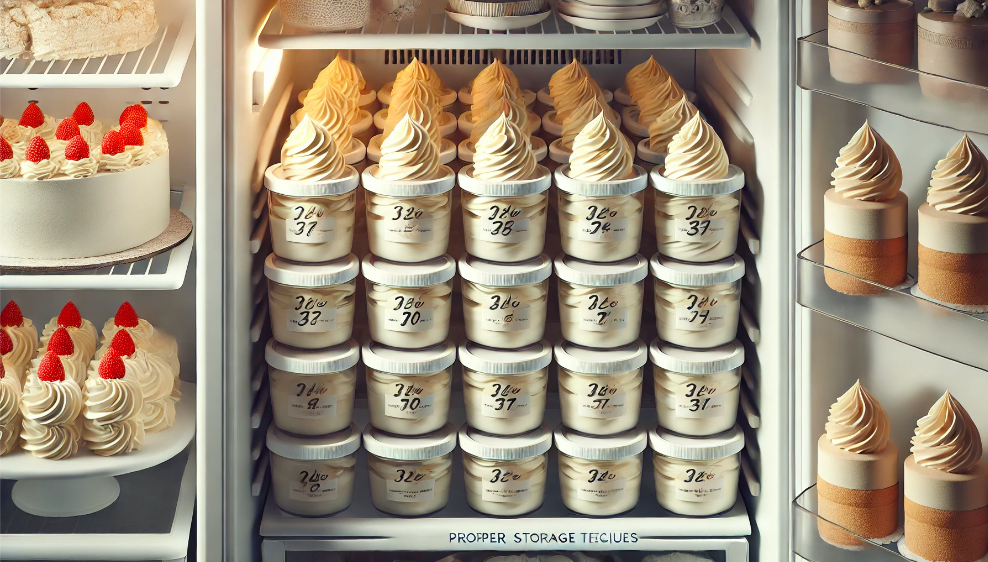
Buttercream typically lasts up to 1-2 weeks in the fridge when stored properly. For best results, keep it in an airtight container to prevent it from absorbing odors or drying out. Before using refrigerated buttercream, let it come to room temperature and rewhip it for a smooth consistency. If unsure about its freshness, check for changes in smell, taste, or texture as signs it may no longer be suitable to use.
Factors Affecting Buttercream’s Longevity
Ingredients Used
The components of your buttercream significantly influence its longevity. Traditional buttercream, made with butter, powdered sugar, and flavorings, can last about one week in the refrigerator. However, if it contains perishable items like cream cheese or milk, its shelf life decreases. For instance, cream cheese frosting should be refrigerated and can last up to two weeks when stored properly.
Storage Conditions
Proper storage is crucial for maintaining buttercream's freshness. Storing it in an airtight container in the refrigerator helps prevent it from absorbing odors and flavors from other foods. Additionally, keeping it away from fragrant items like fish or meat is important, as the fats in the buttercream may absorb these odors, rendering it unuseable.
Signs That Buttercream Has Gone Bad
Buttercream frosting can spoil over time. To determine if it's no longer good, look for these signs:
- Sour Smell: Fresh buttercream has a sweet aroma. If it smells sour or unpleasant, it's likely spoiled.
- Off Taste: A sour or bitter taste indicates spoilage.
- Color Changes: Discoloration, such as a grayish or brown tint, suggests it's gone bad.
- Texture Issues: A slimy or sticky feel is a sign of spoilage.
- Mold Growth: Any mold presence means the buttercream should be discarded.
Extending Buttercream’s Shelf Life: Tips and Tricks
Store in an Airtight Container
Place your buttercream in a clean, airtight container to prevent exposure to air and absorption of odors from other foods. This helps maintain its freshness and flavor.
Refrigerate Properly
Keep the container in the coldest part of your refrigerator. Buttercream can last about 1 to 2 weeks when stored this way. Ensure the fridge temperature is consistent to prevent spoilage.
Freeze for Longer Storage
For extended storage, freeze the buttercream. Divide it into smaller portions and place them in airtight containers or freezer bags to prevent freezer burn. Buttercream can be frozen for up to 3 months. When ready to use, thaw it in the refrigerator overnight, then bring it to room temperature and re-whip to restore its texture.
Avoid Contamination
Always use clean utensils when handling buttercream to prevent introducing bacteria. Avoid double-dipping and ensure that the storage container is clean before use.
Protect from Strong Odors
Store buttercream away from strong-smelling foods like fish or onions, as it can absorb these odors, affecting its taste. Keeping it in an airtight container further helps prevent this issue.
Using Refrigerated Buttercream: Dos and Don’ts
When working with refrigerated buttercream, it's important to follow certain guidelines to maintain its quality and ensure food safety.
Dos:
- Store Properly: Place buttercream in an airtight container before refrigerating to prevent it from absorbing odors and to maintain its texture.
- Bring to Room Temperature Before Use: Before using refrigerated buttercream, allow it to sit at room temperature until it softens. This makes it easier to spread or pipe.
- Re-whip if Necessary: If the buttercream has lost its smoothness after refrigeration, re-whip it to restore its creamy consistency.
Don'ts:
- Avoid Leaving Out for Extended Periods: Do not leave buttercream at room temperature for more than two hours, especially if it contains perishable ingredients like cream cheese or egg whites, as this can lead to spoilage.
- Don't Freeze Without Proper Preparation: If you plan to freeze buttercream, ensure it's stored in an airtight container to prevent freezer burn and maintain its quality.