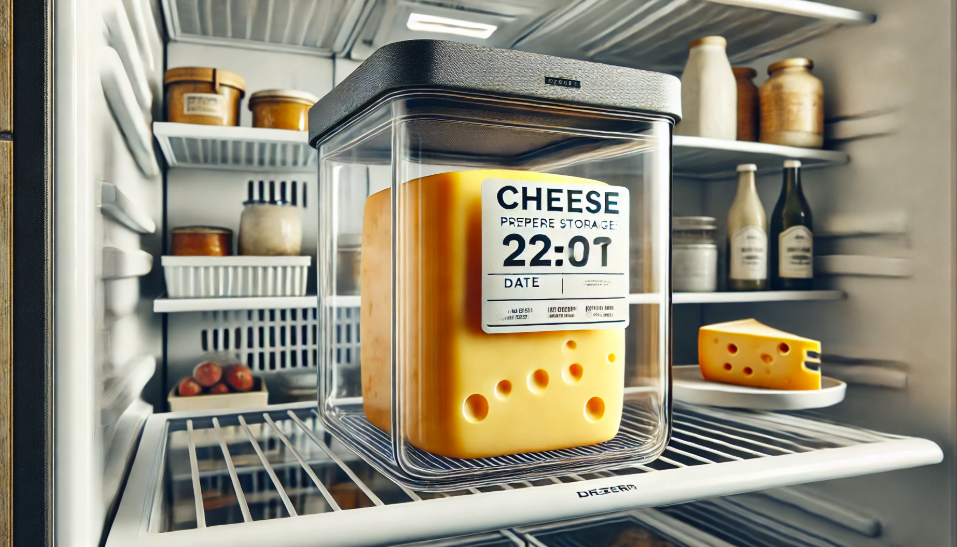
Once cheese is opened, its shelf life varies depending on the type. On average, soft cheeses like brie and cream cheese last about 1 to 2 weeks in the fridge. Harder cheeses, such as cheddar or Parmesan, can last 3 to 4 weeks when properly stored. Unopened cheese typically lasts longer due to vacuum sealing, but opened cheese is more vulnerable to spoilage due to exposure to air and moisture.
Factors Affecting The Longevity Of Opened Cheese
Several factors determine how long opened cheese stays fresh:
- Type of Cheese: Soft cheeses spoil faster than hard cheeses because they contain more moisture, making them prone to bacterial growth.
- Storage Conditions: Cheese stored in consistent temperatures (around 35-40°F) in a refrigerator lasts longer.
- Packaging: Exposure to air causes cheese to dry out or develop mold. Proper wrapping extends its freshness.
- Hygiene: Contaminants from dirty utensils or hands can transfer bacteria, reducing the cheese’s lifespan.
- Additives and Aging: Pre-packaged or processed cheeses may have preservatives that lengthen their shelf life compared to artisanal or fresh varieties.
Proper Storage Techniques For Opened Cheese
- Use Wax Paper or Cheese Paper: Wrap cheese in wax or cheese paper before placing it in a resealable plastic bag or airtight container. This allows the cheese to breathe without excessive moisture buildup.
- Avoid Cling Wrap: Plastic wrap can trap too much moisture, leading to spoilage or flavor alteration.
- Store in the Correct Spot: Place cheese in the vegetable crisper or a dedicated drawer where humidity is higher, as opposed to the fridge door where temperature fluctuates.
- Keep Cheese Separate: Different types of cheese should not be stored together, as their odors and moisture levels can affect each other.
- Rewrap Often: Change the wrapping every few days to maintain freshness and prevent mold.
How Long Different Types Of Cheese Last After Opening
- Soft Cheeses (Brie, Cream Cheese, Ricotta): These last 1 to 2 weeks after opening when refrigerated properly.
- Semi-Soft Cheeses (Monterey Jack, Havarti, Mozzarella): They can last about 2 to 3 weeks.
- Hard Cheeses (Cheddar, Gouda, Swiss): These typically last 3 to 4 weeks.
- Aged and Dry Cheeses (Parmesan, Pecorino Romano): These can last up to 6 weeks or longer, as they have low moisture content.
- Fresh Cheeses (Cottage Cheese, Feta): These spoil faster and usually last around 1 week.
Signs That Indicate Your Cheese Has Spoiled
- Visible Mold: While some mold is safe on cheeses like blue cheese, any unexpected mold indicates spoilage.
- Foul Odor: A sour, ammonia-like, or off smell suggests the cheese is no longer safe to eat.
- Change in Texture: If the cheese becomes slimy, overly dry, or gritty, it has likely gone bad.
- Discoloration: Yellowing, dark spots, or other unusual colors are signs of spoilage.
- Off Taste: A bitter or unpleasant taste is a clear sign that the cheese is not suitable for consumption.
Can Freezing Extend The Life Of Opened Cheese?
Freezing can extend the life of many cheeses, especially harder varieties. Hard cheeses like cheddar and Parmesan freeze well and can last for 6 to 8 months. Softer cheeses are not ideal for freezing, as their texture can become grainy or watery upon thawing. To freeze cheese properly, wrap it tightly in freezer-safe bags, remove as much air as possible, and label it with the date. Thaw frozen cheese in the fridge to maintain quality.
Frequently Asked Questions About Opened Cheese Storage
- Can I eat cheese after the "best before" date? Yes, if the cheese has been properly stored and shows no signs of spoilage, it is safe to consume. This is particularly true for hard cheeses.
- What’s the best way to cut cheese for storage? Use a clean, dry knife and cut only the amount needed to prevent contamination. Rewrap the remaining cheese carefully.
- How do I prevent cheese from drying out? Store it in wax or parchment paper and place it in an airtight container to retain moisture balance.
- Is it safe to cut off moldy parts of cheese? For hard cheeses, you can cut off at least 1 inch around and below the moldy area. Soft cheeses with mold should be discarded entirely.
- What cheeses should not be refrigerated? Some aged cheeses like Parmesan or Gouda can be stored in a cool, dry place for short periods, but refrigeration is ideal for long-term storage.