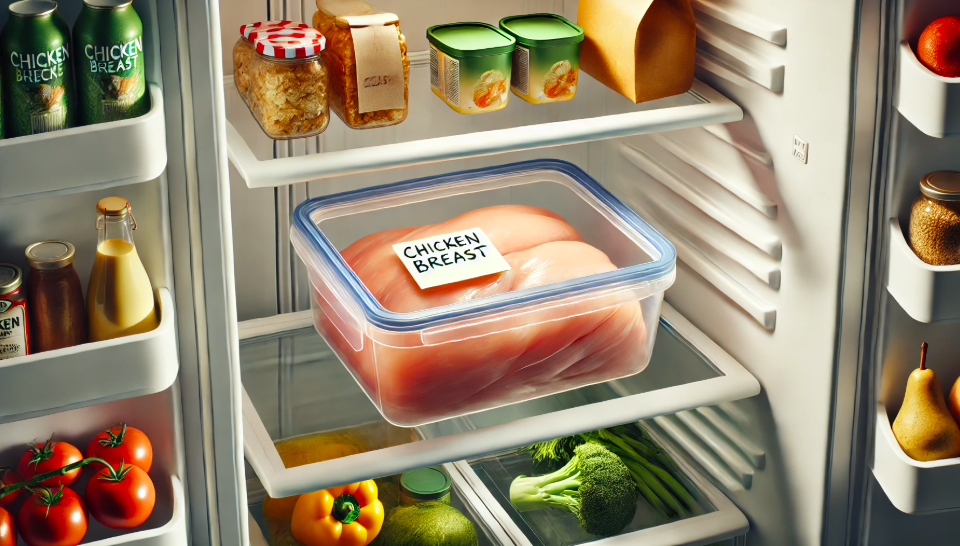
Chicken breast stays fresh in the fridge for different lengths of time depending on whether it's raw or cooked. Raw chicken breast can last about 1 to 2 days when stored properly in the refrigerator. It's best to keep it in its original packaging or place it in a sealed container to prevent any leakage or contamination. Cooked chicken breast lasts a bit longer up to 3 to 4 days in the fridge.
Be sure to store it in an airtight container to maintain its freshness and prevent it from absorbing other flavors or odors. It's also important to check the chicken for any signs of spoilage before consuming it. If it has a sour smell, a slimy texture, or has changed color, it's best to throw it away to avoid the risk of food poisoning. Proper storage and handling are key to extending the shelf life of chicken breast and keeping it safe for you and your family to enjoy.
Ideal Storage Time for Chicken Breast in the Fridge
According to the United States Department of Agriculture (USDA), raw chicken breasts should be stored in the refrigerator at 40°F (4.4°C) or below and used within 1 to 2 days. Cooked chicken breasts can be safely stored in the refrigerator for 3 to 4 days. For longer storage, raw chicken breasts can be frozen at 0°F (-17.7°C) or below, where they remain safe indefinitely, though quality is best if used within 9 months. Cooked chicken breasts can be frozen for up to 4 months for optimal quality. Always use airtight containers or heavy-duty freezer bags to maintain quality and prevent freezer burn.
Best Practices for Storing Chicken Breast in the Fridge
Proper storage of chicken breast in the refrigerator is essential to maintain its freshness and prevent foodborne illnesses. Here are some best practices:
Storage Duration:
- Raw Chicken Breast: Store in the refrigerator for no more than 1-2 days.
- Cooked Chicken Breast: Can be kept in the refrigerator for up to 3-4 days.
Temperature Control:
Ensure your refrigerator maintains a temperature at or below 40°F (4°C) to inhibit bacterial growth.
Packaging:
Use airtight containers or tightly sealed plastic bags to store chicken breast. This prevents exposure to air and reduces the risk of contamination.
Placement in Refrigerator:
Store chicken on the bottom shelf to prevent any juices from dripping onto other foods, thereby avoiding cross-contamination.
Impact of Proper Packaging on Chicken Breast Freshness
Proper packaging is essential for maintaining the freshness and safety of chicken breasts. Effective packaging methods, such as modified atmosphere packaging (MAP) and vacuum sealing, help slow down spoilage by limiting exposure to oxygen and contaminants. These techniques can extend the shelf life of chicken breasts by reducing bacterial growth and preserving quality.
Additionally, the use of freshness indicators in packaging allows consumers to monitor the quality of chicken breasts during storage. These indicators change color in response to spoilage, providing a visual cue about the product's condition. This innovation enhances food safety by alerting consumers to potential spoilage before consumption.
Signs That Chicken Breast Has Gone Bad
To determine if a chicken breast has spoiled, consider the following signs:
- Color Change: Fresh raw chicken breast is pink and glossy. If it turns gray, green, or yellow, it's likely spoiled.
- Unpleasant Odor: Fresh chicken has a mild or no smell. A sour, sulfur-like, or rotten egg odor indicates spoilage.
- Slimy Texture: Fresh chicken feels moist but not slimy. A sticky or slimy feel suggests bacterial growth.
- Mold Growth: Visible mold on the chicken is a clear sign it's unsafe to eat.
Always store raw chicken in the refrigerator and use it within 1-2 days. If you notice any of these signs, it's best to discard the chicken to avoid foodborne illness.
Factors Affecting the Shelf Life of Chicken Breast
The shelf life of chicken breast is influenced by several key factors:
- Storage Temperature: Keeping chicken breast at or below 40°F (4°C) slows bacterial growth, extending its freshness. Temperatures above this range can accelerate spoilage.
- Packaging: Proper packaging prevents contamination and moisture loss. Airtight containers or vacuum-sealed bags are ideal for maintaining quality.
- Freshness at Purchase: The initial quality of the chicken breast affects its shelf life. Purchasing from reputable sources ensures better longevity.
- Handling Practices: Minimizing exposure to air and contaminants during handling reduces the risk of spoilage. Using clean utensils and surfaces is essential.