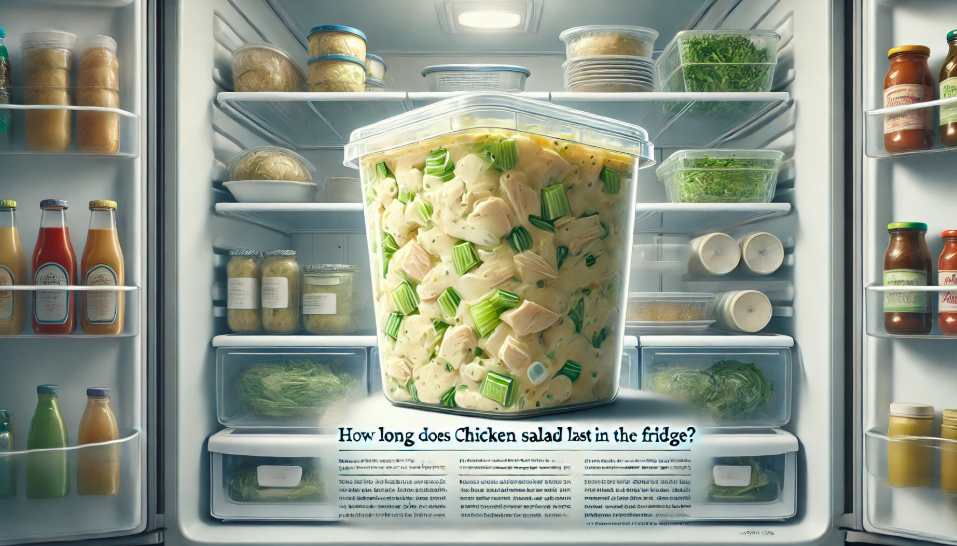
Chicken salad typically lasts 3 to 4 days in the fridge when stored properly. This time frame is based on the USDA recommendations for cooked poultry and mixed salads containing perishable ingredients. To maintain its freshness, the salad should be stored in an airtight container and kept at a consistent temperature of 40°F (4°C) or below.
Key Factors Influencing The Freshness Of Chicken Salad
- Ingredients Used Freshness depends heavily on the quality of the ingredients. Salads containing fresh vegetables, cooked chicken, and mayonnaise or yogurt are prone to faster spoilage if the components were not fresh to begin with.
- Storage Conditions Keeping chicken salad in a tightly sealed container reduces exposure to air, which can speed up spoilage. Refrigeration temperature should remain consistently cold to avoid bacterial growth.
- Dressing Type Mayonnaise-based salads tend to spoil faster than those made with vinaigrettes, as the oil and eggs in mayonnaise are more sensitive to temperature changes.
- Cross-Contamination Using clean utensils and containers helps prevent introducing bacteria that can accelerate spoilage.
- Exposure to Moisture Excess moisture from vegetables or improper draining of chicken can encourage mold or bacterial growth.
Signs To Identify Spoiled Chicken Salad
- Unpleasant Odor Spoiled chicken salad may emit a sour, rancid, or unpleasant smell, signaling bacterial growth.
- Change in Texture A slimy texture on the chicken or dressing is a strong indicator of spoilage.
- Mold or Discoloration Visible mold or dark, grayish-green spots on the salad are signs it is no longer safe to eat.
- Off Taste If the salad tastes sour or bitter, it should not be consumed. Taste testing should only be done if there are no visible or olfactory signs of spoilage.
- Bubbling or Fermentation Bubbly or fizzy dressing may indicate fermentation caused by bacterial activity.
Best Practices For Storing Chicken Salad
- Use Airtight Containers Store chicken salad in containers that seal tightly to reduce exposure to air and contaminants.
- Refrigerate Immediately Avoid leaving chicken salad at room temperature for more than 2 hours. In warmer environments (above 90°F), reduce this time to 1 hour.
- Label and Date Containers Clearly label the container with the preparation date to avoid confusion about its freshness.
- Avoid Double-Dipping Always use clean utensils to serve chicken salad, as introducing bacteria from reused utensils can lead to faster spoilage.
- Drain Excess Moisture If the salad contains vegetables with high water content, pat them dry before mixing to prevent the salad from becoming watery over time.
Can Freezing Help Prolong Chicken Salad’s Shelf Life?
Freezing chicken salad can extend its shelf life, but there are limitations. While chicken and most dressings can freeze well, the texture of ingredients like mayonnaise, yogurt, and certain vegetables may degrade upon thawing. Frozen chicken salad is best consumed within 1 to 2 months for optimal quality.
To freeze chicken salad properly:
- Use Freezer-Safe Containers Store the salad in airtight, freezer-safe containers or heavy-duty freezer bags to prevent freezer burn.
- Avoid Freezing Unstable Ingredients Consider freezing the chicken and dressing separately if possible, then combining them after thawing.
- Thaw in the Fridge Defrost frozen chicken salad in the refrigerator to maintain safety and texture. Never leave it at room temperature to thaw.