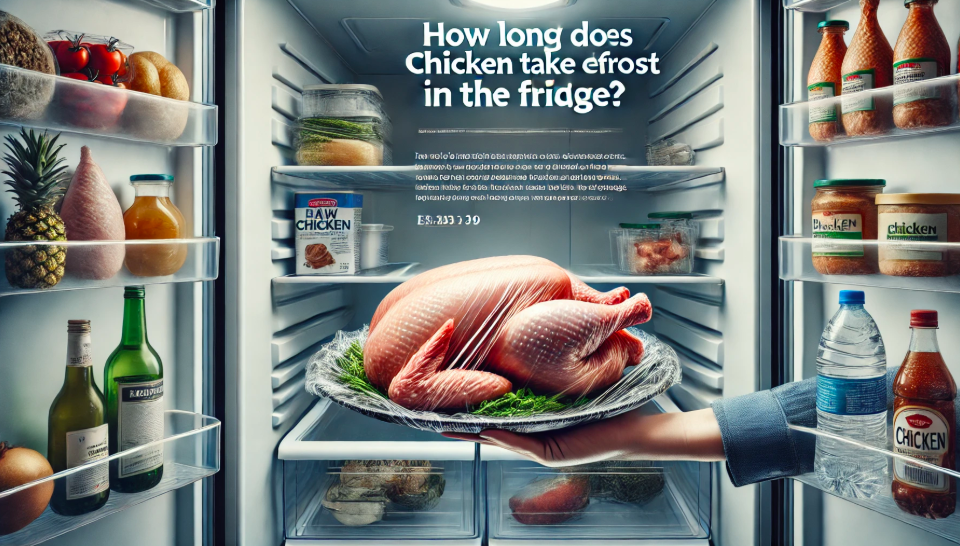
Defrosting chicken in the fridge can take anywhere from 12 to 48 hours, depending on the size and thickness of the meat. For smaller cuts like chicken breasts, thighs, or drumsticks, it usually takes about 12–24 hours. A whole chicken or larger portions like a whole turkey breast may take closer to 24–48 hours. The exact time will also depend on the fridge's temperature, which should be set at or below 40°F (4°C). Always plan ahead to allow sufficient time for safe defrosting.
Why Defrosting Chicken In The Fridge Is The Safest Method?
Defrosting chicken in the fridge is the safest method because it keeps the chicken at a consistently safe temperature, preventing bacterial growth. When chicken is left at room temperature, the outer layer warms up quickly, potentially reaching the "danger zone" of 40–140°F (4–60°C), where bacteria like Salmonella and E. coli can multiply rapidly. The fridge ensures the chicken stays below 40°F during the defrosting process, reducing the risk of foodborne illnesses. Additionally, it prevents uneven thawing, which can happen with methods like warm water or microwaving.
Factors That Affect Chicken Defrosting Time In The Fridge
- Size of the Chicken: Larger pieces, like a whole chicken, take longer to defrost compared to smaller cuts.
- Thickness of the Meat: Thicker cuts take more time to defrost evenly than thinner portions.
- Packaging Material: Airtight packaging slows down the defrosting process, while loosely wrapped chicken may thaw slightly faster.
- Fridge Temperature: A fridge set closer to 40°F will defrost chicken faster than one kept colder, around 34°F.
- Placement in the Fridge: Chicken placed on the top or middle shelves may defrost faster than those near the back or in less ventilated areas.
- Portion Separation: Frozen chicken pieces that are stuck together take longer to defrost than individually frozen portions.
Step-by-Step Guide To Defrosting Chicken In The Fridge
- Prepare a Tray or Plate: Place the chicken on a tray or plate to catch any drippings and prevent contamination of other foods.
- Keep it in Its Packaging: Leave the chicken in its original packaging or seal it in a leak-proof bag to avoid exposure to air and cross-contamination.
- Place on the Bottom Shelf: Always place the chicken on the bottom shelf of the fridge to prevent raw juices from dripping onto other items.
- Allow Time Based on Size: Plan for at least 12–24 hours for small cuts and 24–48 hours for a whole chicken or large portions.
- Check Progress Periodically: After the recommended time, check the chicken to ensure it is fully defrosted before cooking.
How To Check If Chicken Is Fully Defrosted?
- Touch Test: Press the thickest part of the chicken with your fingers. If it feels soft and no longer icy, it is likely thawed.
- Visual Inspection: Look for ice crystals. Fully defrosted chicken should not have any visible frost or ice.
- Knife Test: Insert a knife into the thickest part of the meat. If the knife slides through easily and there is no frozen resistance, the chicken is defrosted.
- Even Color: Check for uniformity in color. Fully defrosted chicken will not have darker or frost-covered spots.
- Temperature Check (Optional): Use a food thermometer. Defrosted chicken should be at or slightly below fridge temperature, around 35–40°F.
Storing Defrosted Chicken: How Long Is It Safe In The Fridge?
Once defrosted, chicken can be safely stored in the fridge for up to 1–2 days before cooking. If you’re unable to cook it within this timeframe, it is best to freeze it again. However, refreezing may slightly impact texture and flavor. Always keep defrosted chicken in a sealed container or tightly wrapped to prevent cross-contamination with other foods.
Common Mistakes To Avoid When Defrosting Chicken
- Defrosting at Room Temperature: Leaving chicken on the counter can expose it to unsafe temperatures, leading to bacterial growth.
- Using Hot Water: Although it might seem quicker, hot water causes uneven thawing and can partially cook the outer layer while the inside remains frozen.
- Skipping a Drip Tray: Not using a tray or plate can lead to raw chicken juices contaminating other foods in the fridge.
- Microwave Defrosting for Large Cuts: While suitable for small portions, microwaving large cuts can result in uneven thawing and cooked edges.
- Not Allowing Enough Time: Rushing the process can lead to partially frozen chicken, which is unsafe to cook.
- Refreezing Without Cooking: Avoid refreezing raw chicken without cooking, as it can affect quality and safety.
- Ignoring Packaging Leaks: Not securing packaging can cause contamination and unpleasant odors in the fridge.