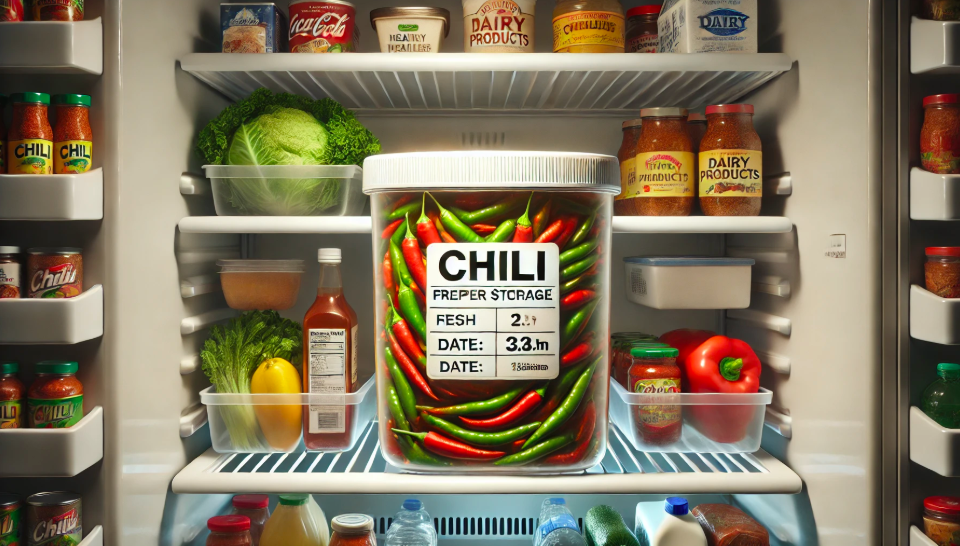
Chili typically lasts about 3 to 4 days in the fridge when stored properly in an airtight container. To keep it fresh, make sure the chili is cooled down to room temperature before refrigerating it. After this time, the quality may start to decline, and the chili could develop off smells or tastes, indicating it's no longer safe to eat. If you want to store it for a longer period, freezing chili is a great option, and it can last for up to 4 months in the freezer. Always check for any signs of spoilage, such as mold or an unusual smell, before consuming leftovers.
Tips for Storing Chili Properly in the Fridge
To keep your chili fresh and safe to eat, follow these simple steps:
- Cool It Quickly: After cooking, let your chili cool to room temperature within two hours. This helps prevent bacteria growth. To speed up cooling, divide the chili into smaller portions.
- Use Airtight Containers: Store the cooled chili in airtight containers. This keeps out air and moisture, helping it stay fresh longer.
- Refrigerate Promptly: Place the containers in the refrigerator as soon as possible. Ensure your fridge is set to 40°F (4°C) or lower to keep the chili safe.
- Label and Date: Write the date on the container so you know when it was stored. This helps you keep track of how long it's been in the fridge.
- Use Within 3-4 Days: For the best taste and safety, eat the chili within 3 to 4 days. If you can't finish it in time, consider freezing it.
Can You Freeze Chili for Longer Storage?
Yes, you can freeze chili to keep it fresh for a longer time. Freezing chili is a great way to preserve leftovers and enjoy them later. Proper storage is key to maintaining its quality.
How to Freeze Chili:
- Cool the Chili: Let your chili cool down to room temperature. Placing hot chili directly in the freezer can raise the temperature inside, affecting other foods.
- Portion the Chili: Divide the chili into portions based on how much you plan to eat at one time. This makes it easier to thaw and reheat only what you need.
- Choose the Right Container: Use airtight containers or heavy-duty freezer bags to store the chili. This helps prevent freezer burn and keeps the chili fresh.
- Label and Date: Write the date and contents on each container or bag. This helps you keep track of how long the chili has been in the freezer.
- Freeze Flat: If using freezer bags, lay them flat in the freezer. This saves space and makes it easier to thaw.
How to Reheat Leftover Chili Safely
Reheating leftover chili safely is important to ensure it remains both delicious and safe to eat. Here are some simple methods to do so:
Stovetop Method:
- Transfer: Pour the chili into a pot.
- Add Liquid: If the chili is thick, add a splash of water or broth to help it heat evenly.
- Heat: Place the pot on the stove over low to medium heat.
- Stir: Stir occasionally to prevent sticking and ensure even heating.
- Check Temperature: Use a food thermometer to make sure the chili reaches at least 165°F (74°C) before serving.
Microwave Method:
- Prepare: Place the chili in a microwave-safe bowl.
- Cover: Use a microwave-safe lid or cover the bowl with a microwave-safe plate to prevent splattering.
- Heat: Microwave on medium power in 1-2 minute intervals, stirring in between, until the chili is hot throughout.
- Check Temperature: Ensure the chili reaches 165°F (74°C) before eating.
Oven Method:
- Preheat: Set your oven to 350°F (180°C).
- Prepare: Transfer the chili to an oven-safe dish and cover it with aluminum foil.
- Heat: Place the dish in the oven and heat for about 15-45 minutes, depending on the amount of chili.
- Stir: Stir halfway through to ensure even heating.
Factors That Affect Chili's Shelf Life
The shelf life of chili the period it remains safe and enjoyable to eat is influenced by several key factors:
- Ingredients Used: The components of your chili, such as meats, beans, and vegetables, can affect its longevity. Meat-based chili tends to spoil slightly faster than vegetarian versions.
- Cooking Method: How the chili is cooked also plays a significant role. Pressure cooking might leave some ingredients still fragile, while slow cooking may allow flavors to meld better but can affect longevity.
- Storage Practices: Proper storage is essential to extending the life of your chili. Using airtight containers and cooling chili before refrigeration are best practices that also help in maintaining its quality.
- Time and Temperature: The time in which your chili stays outside the fridge is also important. If it has been at room temperature for 2 hours or more, there is a high chance that it won’t stay good for too long in the fridge.
Signs That Chili Has Gone Bad
To ensure your chili is safe to eat, look for these signs of spoilage:
- Mold: Any visible mold growth indicates the chili is unsafe to consume.
- Off Smell: A sour or unpleasant odor suggests the chili has spoiled.
- Slimy Texture: If the chili feels slimy or sticky, it's a clear sign of spoilage.
- Discoloration: Significant changes in color, such as dark spots or areas of white, could indicate mold growth.
- Bulging or Leaking Can: If the can is bulging or leaking, it may be contaminated and should be discarded.
- Unusual Taste: A sour or bitter taste can indicate spoilage.
If you notice any of these signs, it's best to discard the chili to avoid foodborne illness.