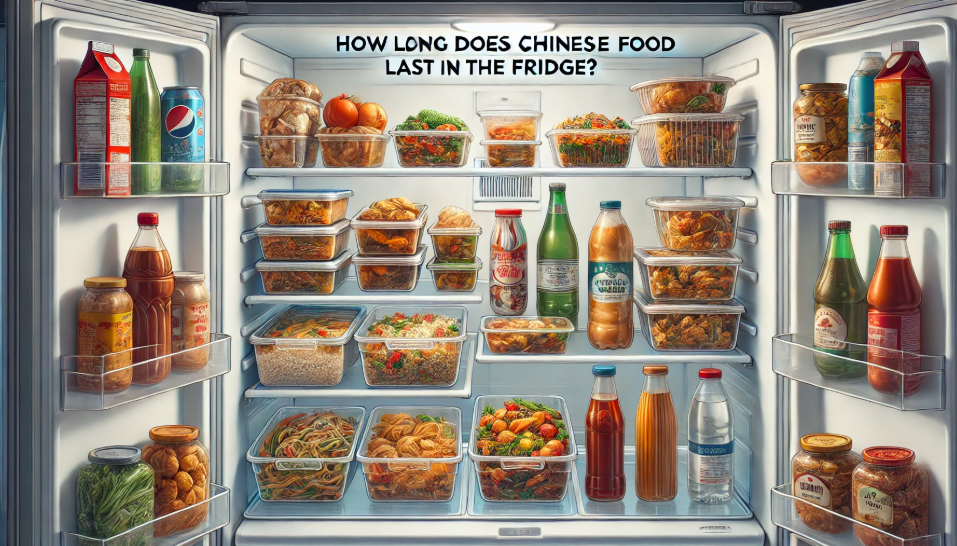
Chinese food, like most cooked dishes, can typically last 3 to 4 days in the fridge when stored properly. The exact duration depends on the type of dish and the ingredients used. Dishes containing seafood or dairy may spoil faster than vegetable or rice-based dishes. Always store the food in an airtight container to minimize exposure to air and prevent contamination. If you're unsure about its freshness after three days, it's safer to discard it.
Understanding the Shelf Life of Chinese Food
The shelf life of Chinese food depends on factors such as its ingredients, storage conditions, and how quickly it was refrigerated after cooking. Dishes with fresh vegetables or delicate proteins like shrimp may spoil quicker, while stir-fried dishes with robust sauces or fried rice may last slightly longer. High moisture content in soups or sauces can accelerate spoilage. Refrigeration slows bacterial growth, extending the shelf life, but keeping food for longer than four days can increase the risk of harmful bacterial contamination, such as Listeria or Salmonella.
Proper Storage Techniques for Chinese Food
To preserve Chinese food effectively:
- Cool Quickly: Let the food cool to room temperature but refrigerate it within two hours of cooking.
- Use Airtight Containers: Store leftovers in sealed containers to prevent air exposure and cross-contamination.
- Separate Portions: If storing a large quantity, divide it into smaller portions for even cooling and easier reheating.
- Label and Date: Label containers with the date to track freshness and avoid eating spoiled food.
- Avoid Overcrowding: Ensure proper airflow in your fridge to maintain consistent cooling.
Signs Your Leftover Chinese Food Has Gone Bad
There are clear indicators that Chinese food has spoiled:
- Unpleasant Odor: A sour or rancid smell indicates bacterial growth.
- Discoloration: Unusual color changes, such as a grayish or greenish tint, suggest spoilage.
- Slimy Texture: A sticky or slimy layer on meats or vegetables signals decay.
- Mold Growth: Visible mold, whether white, black, or green, is a sure sign to discard the food.
- Off Taste: If the flavor is unusual or sour, do not consume it. Avoid tasting if other spoilage signs are present.
Tips For Reheating Refrigerated Chinese Food Safely
- Use the Right Method: Reheat in a microwave, oven, or stovetop to ensure even heating.
- Stir Thoroughly: Stir soups, sauces, or stir-fries frequently while reheating to distribute heat evenly.
- Heat to 165°F (74°C): Use a food thermometer to ensure the food reaches this safe temperature.
- Avoid Reheating Multiple Times: Only reheat the portion you intend to eat. Repeated reheating increases the risk of bacterial growth.
- Cover Food While Reheating: This prevents drying out and ensures even heating.
Can You Freeze Chinese Food for Longer Storage?
Yes, Chinese food can be frozen to extend its shelf life, typically up to 2 to 3 months. Follow these tips for effective freezing:
- Cool Completely: Ensure the food is at room temperature before freezing.
- Use Freezer-Safe Containers: Store in airtight, freezer-friendly containers or heavy-duty freezer bags to prevent freezer burn.
- Label Properly: Write the freezing date to track storage time.
- Defrost Correctly: Thaw in the refrigerator overnight, not at room temperature, to prevent bacterial growth.
Health Risks of Eating Spoiled Chinese Food
Consuming spoiled Chinese food can lead to foodborne illnesses, which may cause:
- Gastrointestinal Symptoms: Nausea, vomiting, diarrhea, and abdominal pain.
- Bacterial Infections: Spoiled food may contain harmful bacteria such as Salmonella, E. coli, or Staphylococcus.
- Food Poisoning: Symptoms like fever, chills, and dehydration can occur, especially in severe cases.
- High-Risk Groups: Pregnant individuals, young children, elderly adults, and those with weakened immune systems are more vulnerable to complications from spoiled food. To avoid these risks, always check for signs of spoilage and follow proper storage guidelines.