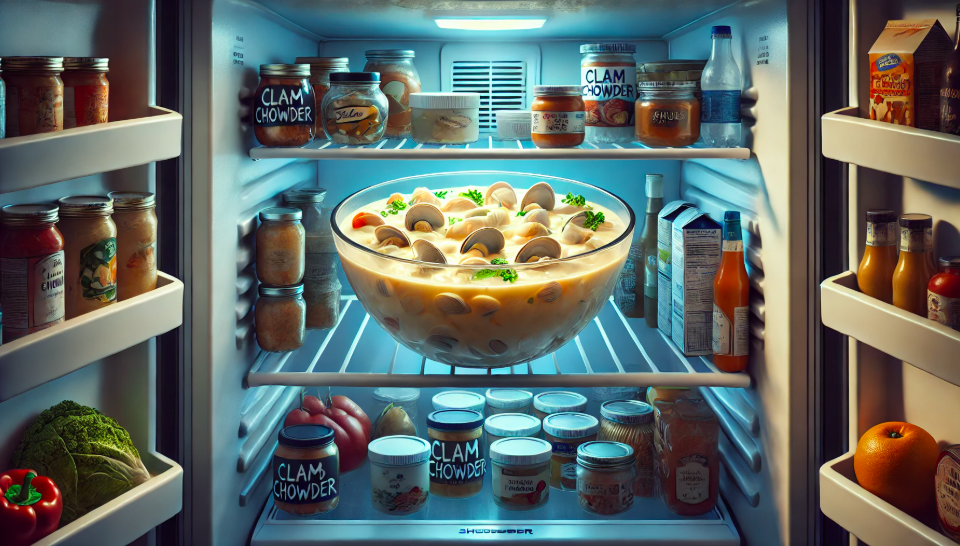
Clam chowder is a rich, creamy soup that many people enjoy for its savory flavor and comforting warmth. Whether it's homemade or store-bought, it's important to know how long it lasts in the refrigerator to avoid consuming spoiled food. For homemade clam chowder, it typically stays fresh in the fridge for about 3 to 4 days. This timeframe applies if the soup is stored properly in an airtight container and refrigerated promptly after cooking.
If you're dealing with leftover clam chowder from a can, the same rule generally applies once it’s opened—consume it within 3 to 4 days. Unopened canned clam chowder has a much longer shelf life, lasting anywhere from 2 to 5 years if stored in a cool, dry place away from direct sunlight. However, once opened, the clock resets, and you should treat it the same as homemade soup.
For best results, always ensure your refrigerator temperature is set to 40°F (4°C) or below to slow down bacterial growth. Proper storage not only helps maintain the flavor and texture of the chowder but also reduces the risk of foodborne illness.
Factors Affecting The Shelf Life Of Clam Chowder
1. Ingredients
Clam chowder is made with perishable ingredients like clams, dairy (cream or milk), and sometimes potatoes or other vegetables. These ingredients spoil faster than non-dairy or broth-based soups. Dairy in particular is highly sensitive to temperature changes, and improper storage can cause it to curdle or sour quickly.
2. Storage Conditions
How the chowder is stored significantly impacts its shelf life. Airtight containers are a must to keep air and contaminants out. If the chowder is left uncovered or poorly sealed, it’s more likely to dry out, absorb unwanted odors from other foods, or become contaminated by bacteria.
3. Preparation Method
The way the chowder was cooked can also affect its longevity. If the ingredients were fresh and the soup was brought to a proper boil during cooking, it is less likely to spoil quickly. However, if the chowder was undercooked or prepared using ingredients close to their expiration date, its shelf life will be shorter.
4. Handling
How the soup is handled after cooking or opening is crucial. For instance, leaving it out at room temperature for too long can accelerate spoilage. Bacteria grow rapidly in temperatures between 40°F and 140°F (the "danger zone"). It’s important to refrigerate the soup within 2 hours of cooking or opening.
Proper Storage Tips For Clam Chowder
Correct storage practices are key to extending the shelf life of clam chowder:
1. Use Airtight Containers
Always store clam chowder in airtight containers to prevent contamination and preserve its freshness. Avoid using containers that are too large for the portion size, as this leaves excess air inside that can promote spoilage.
2. Refrigerate Quickly
Don’t leave clam chowder out at room temperature for longer than 2 hours. If the room temperature is particularly warm, this time reduces to just 1 hour. Once it’s cooled to a safe temperature, transfer it to the refrigerator immediately.
3. Freeze For Longer Storage
If you don’t plan to eat the chowder within a few days, freezing is an excellent option. Place the soup in freezer-safe containers, leaving about an inch of space at the top for expansion. Label the containers with the date so you can keep track of how long they’ve been stored.
4. Store In Small Portions
Dividing the chowder into smaller portions can make it easier to reheat only what you need. This reduces waste and prevents reheating the entire batch repeatedly, which can degrade quality.
Signs That Clam Chowder Has Gone Bad
Eating spoiled chowder can lead to unpleasant symptoms such as food poisoning. To avoid this, always check for signs that it may no longer be safe to consume:
1. Unpleasant Odor
Spoiled clam chowder often has a sour, rancid, or "off" smell. If it smells unusual or unpleasant, it’s best to discard it.
2. Mold Growth
Visible mold is a clear indicator that the chowder has gone bad. Mold may appear on the surface as fuzzy spots in white, green, or black hues. Any sign of mold means the soup is unsafe to eat.
3. Texture And Appearance
Clam chowder that has spoiled may separate, curdle, or have a slimy texture. Additionally, if the color has darkened or become dull, this could indicate it’s no longer fresh.
Can You Freeze Clam Chowder For Longer Storage?
Yes, clam chowder can be frozen to extend its shelf life. When done correctly, frozen clam chowder can last for 4 to 6 months in the freezer without significant loss of quality. Here’s how to freeze it properly:
- Cool the Chowder: Let the soup cool to room temperature before freezing. Placing hot soup in the freezer can raise the freezer temperature and affect other foods.
- Use Proper Containers: Use freezer-safe airtight containers or heavy-duty freezer bags. If using bags, lay them flat in the freezer to save space.
- Label and Date: Always label the container with the contents and the freezing date to keep track of storage time.
- Avoid Freezing Dairy-Based Chowders for Too Long: While clam chowder freezes well, the cream or milk in it may separate during freezing, leading to a slightly grainy texture upon reheating.
Differences Between Homemade And Store-Bought Clam Chowder Storage Times
The shelf life of homemade and store-bought clam chowder can vary significantly:
- Homemade Clam Chowder: Since it’s made with fresh ingredients and lacks preservatives, homemade clam chowder typically lasts 3 to 4 days in the refrigerator and up to 6 months in the freezer.
- Store-Bought Canned Chowder: Unopened canned chowder has a long shelf life, lasting up to 5 years if stored in a cool, dry place. Once opened, it should be refrigerated and consumed within 3 to 4 days.
- Frozen Pre-Packaged Chowder: Some store-bought chowders are sold frozen. These can last for several months in the freezer but should be consumed shortly after thawing.
Best Practices For Reheating Refrigerated Clam Chowder
Reheating clam chowder requires care to preserve its texture and flavor while ensuring it’s safe to eat:
1. Stovetop Method
The stovetop is the best method for reheating clam chowder. Place the soup in a pot and heat over low to medium heat. Stir occasionally to prevent sticking. Avoid boiling the chowder, as this can cause the dairy to curdle and the clams to become rubbery.
2. Microwave Method
Use a microwave-safe bowl and cover it loosely to prevent splatters. Heat the chowder in short intervals (30 to 60 seconds), stirring in between to ensure even heating.
3. Oven Method
If you’re reheating a larger portion, use the oven. Preheat the oven to 325°F (163°C), place the chowder in an oven-safe dish, cover it with aluminum foil, and heat until warm.
Tips For Reheating:
- Heat to an internal temperature of 165°F (74°C) to kill any potential bacteria.
- Avoid reheating the same portion multiple times.
- Use clean utensils to prevent cross-contamination.