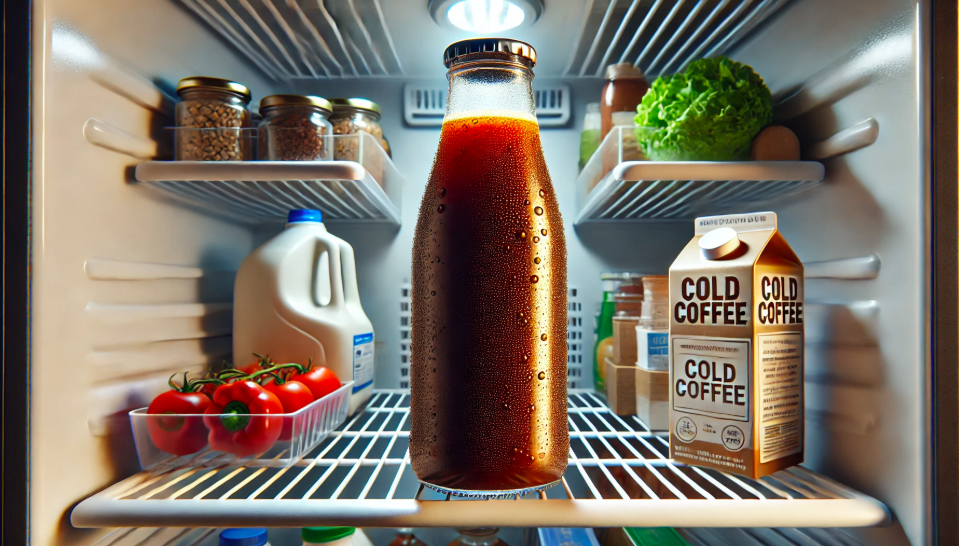
Cold coffee, especially cold brewcoffee, can last a significant amount of time when stored correctly in the fridge. On average, cold coffee will remain drinkable for about 7–10 days when stored in an airtight container in the refrigerator. After this period, the flavor will begin to deteriorate, and it may start to taste stale or sour. If you have cold coffee with added ingredients like milk or cream, its shelf life shortens, typically to 2–3 days.
Factors That Affect The Freshness Of Cold Coffee
- Storage Conditions: The way you store cold coffee plays a significant role in how long it stays fresh. Coffee is sensitive to light, air, and heat, which can cause oxidation and spoilage. To keep your cold coffee fresh longer, it is essential to store it in an airtight container. This will help prevent exposure to air, which can degrade the taste and quality of the coffee over time. Storing coffee in the fridge also helps slow down the natural process of aging that happens at warmer temperatures.
- Additives: If you add milk, cream, or sugar to your cold coffee, this will shorten its shelf life. Dairy products are perishable and can spoil quickly, which means your cold coffee may only last 2 to 3 days at most if it has been mixed with milk or cream. Even non-dairy alternatives like oat milk or almond milk have a similar effect on reducing the freshness. If you want to extend the shelf life of your cold coffee, it's best to keep it black or with minimal additives, adding milk or cream only when you're ready to drink it.
- Brew Method: The method you use to brew your cold coffee can also affect how long it stays fresh. Cold brew coffee generally has a longer shelf life compared to iced coffee because cold brew is made without heat, which reduces the oxidation process. As a result, cold brew can last for up to 10 days in the fridge, while iced coffee typically only lasts for 3–4 days due to the rapid oxidation that occurs when it is brewed with hot water. Cold brew is also typically less acidic, which can help preserve its flavor and quality for a longer period.
Signs That Cold Coffee Has Gone Bad
- Off Smell: One of the most common signs that cold coffee has gone bad is a sour or unpleasant odor. Fresh coffee should have a rich, aromatic scent. If your coffee starts to smell sour or rancid, this is a strong indication that it has gone bad and should be discarded. The smell can be due to the growth of bacteria or mold, especially if it has been improperly stored.
- Mold Growth: Mold is another clear sign that your cold coffee has spoiled. Mold can develop on the surface or inside the container, especially if the coffee has been stored for too long or if it was left out at room temperature for an extended period. If you notice any mold growing on the surface, it’s essential to throw the coffee away immediately. Mold can be harmful to your health, so it’s better to be safe than sorry.
- Taste Alteration: If the taste of your cold coffee has changed drastically, it is likely that the coffee has gone bad. Spoiled coffee may taste overly bitter, sour, or stale. These changes occur due to the breakdown of compounds in the coffee and bacterial growth. If you find that your cold coffee has an off taste, it’s best to discard it rather than risk drinking something unpleasant or potentially harmful.
Best Practices For Storing Cold Coffee In The Fridge
- Use Airtight Containers: To ensure your cold coffee stays fresh for as long as possible, always store it in an airtight container. Air exposure leads to oxidation, which can quickly degrade the flavor and freshness of the coffee. Glass jars with tight-fitting lids or BPA-free plastic containers are excellent choices for storing cold coffee. These containers will help prevent air from getting in and keep your coffee tasting fresh longer.
- Keep It Cool: Make sure your refrigerator is set at the right temperature to keep your cold coffee fresh. Ideally, the fridge should be at or below 40°F (4°C). This temperature slows down the process of bacterial growth and helps preserve the flavor of your cold coffee. Additionally, it’s a good idea to store the coffee in a part of the fridge that remains consistently cool, like the back, where temperatures tend to be more stable.
- Avoid Contamination: It’s essential to handle cold coffee with clean utensils and ensure that the containers are free from any contamination. If you use a spoon or straw to take a sip, make sure it is clean to avoid introducing bacteria into the coffee. If the coffee is in a shared container, be cautious about cross-contamination from other food items in the fridge.
Can You Extend the Shelf Life of Cold Coffee?
- Proper Storage: Storing cold coffee in an airtight container and ensuring it’s kept at the right temperature can significantly extend its freshness. If stored correctly, cold coffee can last for up to 7–10 days. Always check the coffee for signs of spoilage before consuming, especially if you’ve stored it for several days.
- Freezing: One way to extend the shelf life of cold coffee is by freezing it. If you have extra cold coffee that you won’t be able to drink in the next few days, freezing it is a great option. Pour the coffee into an ice cube tray, freeze it, and then transfer the cubes into a sealed bag or container. This method can extend the life of your coffee up to 2 weeks. When you’re ready to drink it, simply add the frozen coffee cubes to a glass of milk or iced coffee, and it will help maintain the flavor without diluting it.
How to Reheat Cold Coffee Without Losing Its Taste
- Use Low Heat: If you prefer to reheat your cold coffee, it’s best to do so on low heat. Using a stovetop, gently warm the coffee in a small pot over low heat, stirring occasionally to ensure even heating. Avoid boiling the coffee, as it can cause the flavor to become bitter or burnt. This method will help retain most of the original taste and aroma.
- Microwave Method: If you’re in a rush, you can reheat cold coffee in the microwave. To do this, pour the coffee into a microwave-safe cup and heat it in short intervals (20–30 seconds), stirring in between to ensure even warming. Be cautious not to overheat the coffee, as this can result in a burnt or overly bitter taste.
- Add Fresh Ingredients: Sometimes, reheating coffee can cause it to lose some of its freshness. To restore some of the flavor, try adding a little fresh milk, cream, or even a splash of flavored syrup after reheating. This can improve the taste and make it feel fresher, especially if the coffee has been stored for several days.
When Should You Not Drink Cold Coffee?
- It Shows Signs of Spoilage: If your cold coffee has gone bad, it’s crucial not to drink it. Signs of spoilage include a sour smell, mold, or significant changes in flavor. Drinking spoiled coffee can lead to stomach discomfort or foodborne illness, so it’s always better to be cautious and throw it away if it shows any signs of spoilage.
- It Has Been Stored Improperly: If your cold coffee has been stored improperly, such as being left out at room temperature for too long or not refrigerated soon after brewing, it’s best to avoid drinking it. Bacteria can grow quickly in coffee that’s been left at room temperature, and consuming it can pose health risks.
- It Contains Dairy Additives: If cold coffee contains milk or cream and has been stored for more than 2–3 days, it’s safer not to drink it. Dairy products have a much shorter shelf life than black coffee, and consuming spoiled dairy could lead to foodborne illness. Always check the expiration date on dairy products and use fresh ingredients to avoid these risks.