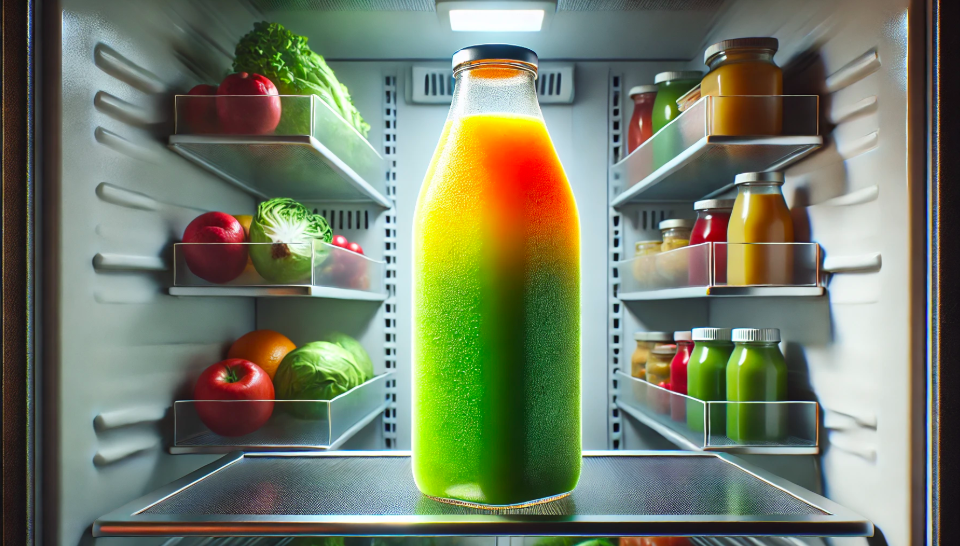
Cold-pressed juice typically lasts between 3 to 5 days in the fridge, depending on factors like the ingredients used and how well it's stored. Unlike traditional juices, cold-pressed juice is made by pressing fruits and vegetables rather than using heat, which helps preserve more nutrients but also makes it more perishable. To maximize freshness, it should be kept in an airtight container and stored in the coldest part of the fridge. Over time, the juice may start to lose its flavor and nutritional value, and you may notice separation or discoloration. Always check for signs of spoilage, such as off smells, unusual textures, or a sour taste, before consuming. If you need to keep it longer, freezing can extend its shelf life, but it may affect the texture and taste once thawed.
Understanding Cold-Pressed Juice Preservation
Cold-pressed juice preservation is essential for keeping the juice fresh and nutritious. Since cold-pressed juice is made by pressing fruits and vegetables without heat, it retains more vitamins, minerals, and enzymes than juices made with traditional methods. However, this also means it can spoil quickly because it doesn’t contain preservatives. To preserve cold-pressed juice, it’s important to store it properly. The most common method is refrigeration, which slows the growth of bacteria and helps maintain freshness for about 3 to 5 days. Another preservation method is High-Pressure Processing (HPP), where juice is exposed to high pressure to kill harmful bacteria without using heat, allowing the juice to last longer—sometimes up to 30 days—while keeping most of its nutrients intact. Vacuum sealing is another option, as it removes air from the container, reducing oxidation and helping the juice stay fresh.
Maximizing Freshness: Tips For Storing Cold-Pressed Juice
To maximize the freshness of cold-pressed juice, it's important to store it properly. After making or purchasing the juice, place it in the fridge immediately, as exposure to room temperature can cause it to lose nutrients quickly. For the best results, use airtight containers, like glass jars or bottles, to limit exposure to air, which can lead to oxidation and a decline in flavor and nutritional value. It's also a good idea to fill the container to the top, reducing the amount of air inside, which further helps prevent oxidation. Storing the juice in the coldest part of the fridge, usually near the back, will keep it at a stable temperature and slow down nutrient breakdown. Cold-pressed juice is best consumed within 3-5 days for optimal taste and benefits.
Can You Freeze Cold-Pressed Juice?
Yes, you can freeze cold-pressed juice, but there are a few things to keep in mind. Freezing can help extend the shelf life of the juice, as cold-pressed juice tends to spoil quickly without preservatives. However, freezing may slightly affect its texture, taste, and nutrients. The juice might separate after thawing, with the pulp and liquid dividing, so you’ll need to shake or stir it well before drinking. The taste might also change, and some of the delicate flavors could be lost, especially in juices made from fruits like berries or leafy greens. Freezing can cause a small loss of nutrients, particularly vitamin C, which is sensitive to temperature changes, though many of the vitamins and minerals are still preserved. To freeze cold-pressed juice, use a clean, airtight container and leave some space at the top to allow for expansion. It’s a good idea to freeze the juice in smaller portions so you can thaw only what you need. When thawing, do so in the fridge overnight to maintain quality and avoid bacteria growth.
How To Extend The Life Of Cold-Pressed Juice
To extend the life of cold-pressed juice, it's important to focus on proper storage and handling. Cold-pressed juice tends to spoil faster than regular juice because it lacks preservatives and is made from fresh fruits and vegetables. Here are some practical steps to help keep cold-pressed juice fresh for longer:
1. Store Juice In The Refrigerator
Cold-pressed juice should always be kept in the fridge to slow down the growth of bacteria and mold. The cold temperature helps preserve the taste and nutrients for a longer time. Make sure the juice is stored in an airtight container to prevent contamination.
2. Use Glass Containers
Glass containers are better for storing cold-pressed juice than plastic bottles. Glass is non-reactive and does not absorb odors, unlike plastic, which can affect the flavor of the juice. Choose dark-colored glass bottles if possible, as they protect the juice from light, which can break down nutrients.
3. Seal The Container Tightly
Make sure the juice container is tightly sealed to prevent exposure to air. Oxygen can cause the juice to oxidize, which leads to spoilage and nutrient loss. If you’ve opened the juice, try to finish it within a few days to maintain its freshness.
Factors Influencing The Shelf Life Of Cold-Pressed Juice
The shelf life of cold-pressed juice depends on several factors that affect how long the juice stays fresh and safe to drink. These factors include:
1. Type Of Ingredients
The ingredients used in cold-pressed juices, such as fruits and vegetables, play a significant role in their shelf life. Juices made from fruits with high water content, like watermelon or cucumber, may spoil faster than those made from denser fruits, like apples or carrots. Additionally, certain fruits and vegetables, like citrus or leafy greens, can cause juices to degrade more quickly due to their natural chemical composition.
2.Exposure To Air (Oxidation)
Oxygen can cause the juice to lose its nutrients and taste over time. The more air that gets into the juice, the faster it will oxidize. This is why cold-pressed juices are typically stored in airtight containers to reduce exposure to air and help maintain their quality. Some brands may use special packaging to protect against oxygen exposure.
3. Preservation Methods
Cold-pressed juice often undergoes minimal processing, which helps it retain nutrients. However, some juice manufacturers use methods like High Pressure Processing (HPP) to increase shelf life. HPP involves applying high pressure to the juice to kill bacteria without using heat, which helps extend freshness without destroying nutrients.
4. Quality Of Juicing Equipment
The equipment used for cold-pressing can also impact the shelf life. High-quality cold-press juicers produce less heat and friction, which helps preserve the nutrients in the juice. If the juicer is of lower quality and generates more heat, it can cause the juice to degrade faster.
5. PH Level Of The Juice
The acidity of the juice can affect its shelf life. Juices that are more acidic, like citrus juices, tend to last longer because the acidic environment helps prevent the growth of harmful bacteria. On the other hand, less acidic juices may spoil faster.
How To Tell If Cold-Pressed Juice Has Spoiled
To know if cold-pressed juice has spoiled, there are a few signs you can check. Here’s what to look for:
1. Smell
Fresh cold-pressed juice has a clean, fresh smell, often fruity or vegetable-like. If the juice smells sour, rancid, or fermented, it may be spoiled and should be thrown away.
2. Taste
The taste of cold-pressed juice should be bright and refreshing. If it tastes sour, off, or unpleasantly bitter, it might be bad. A sudden change in flavor is a clear sign that the juice has spoiled.
3. Appearance
Look for any changes in color. Fresh juice is usually vibrant, depending on the ingredients. If the juice has turned dull or discolored, it could be a sign that it has gone bad. You might also notice bubbles or foam forming, which can indicate fermentation.
4. Separation
It's normal for juice to separate into layers, but if the juice has become too separated or has a strange, chunky texture, it could be a sign that it has spoiled. While slight separation is common, clumps or an overly thick texture can indicate spoilage.
5. Expiration Date
Always check the expiration date or "best by" date printed on the bottle. Cold-pressed juice doesn't last as long as pasteurized juice because it’s free of preservatives. If the juice is past the date, it's safest to discard it.