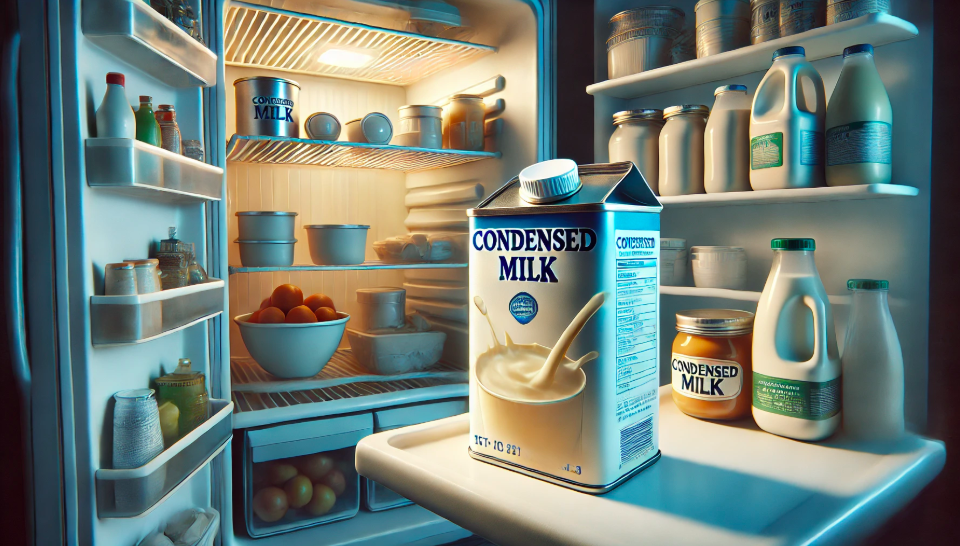
Condensed milk, once opened, typically lasts about 7 to 14 days in the fridge. The exact duration can depend on factors like how well it is stored and the freshness of the product when opened. It's important to keep it sealed tightly in an airtight container to prevent contamination and absorption of odors from other foods. Unopened condensed milk, however, can last much longer, typically up to a year or more if stored properly.
Unopened Condensed Milk: Storage Duration in the Fridge
Unopened condensed milk can be stored in a cool, dry place, such as a pantry, for up to 18 months or even longer. Although it can be kept in the fridge, it’s not necessary. The refrigeration only becomes important if you live in a particularly warm environment where room temperatures exceed typical storage conditions. Keeping it unopened at room temperature is generally the best option as it retains its quality for a longer time.
Opened Condensed Milk: Expiry Time and Storage Tips
Once opened, condensed milk needs to be transferred to a clean, airtight container if not used immediately. It should be stored in the fridge and consumed within 7 to 14 days. Make sure to check for any visible signs of spoilage before use. If you find the condensed milk is no longer usable within this period, it’s best to discard it. Avoid leaving the can open for too long, as exposure to air can encourage bacteria growth.
Signs of Spoiled Condensed Milk
- Off or Sour Smell: A sour or unpleasant odor is a clear sign the condensed milk has spoiled.
- Clumpy or Lumpy Consistency: If the milk has become clumpy or lumpy, it’s no longer safe to use.
- Color Change or Mold: Any change in color or visible mold indicates spoilage.
- Unusual Taste: A sour or unusual flavor is a strong indicator that the condensed milk is spoiled and should be discarded.
Can You Freeze Condensed Milk?
Yes, you can freeze condensed milk, but it may change in texture once thawed. Freezing it can help extend its shelf life for up to 3 months. To freeze, transfer the milk into an airtight container or a freezer-safe bag. Keep in mind that while it remains safe to eat after freezing, the consistency may become grainy or separated. If this happens, simply stir it well after thawing to restore its smoothness.
Best Practices for Storing Condensed Milk in the Fridge
- Airtight Container: Always store condensed milk in an airtight container to keep out moisture and prevent contamination.
- Transfer from the Can: If you’ve opened a can, transfer the milk to a clean glass or plastic container instead of keeping it in the can.
- Label with Date: Label the container with the date of opening to help track how long it has been stored.
- Avoid Strong-Smelling Foods: Keep condensed milk away from strong-smelling foods, as it can absorb odors.