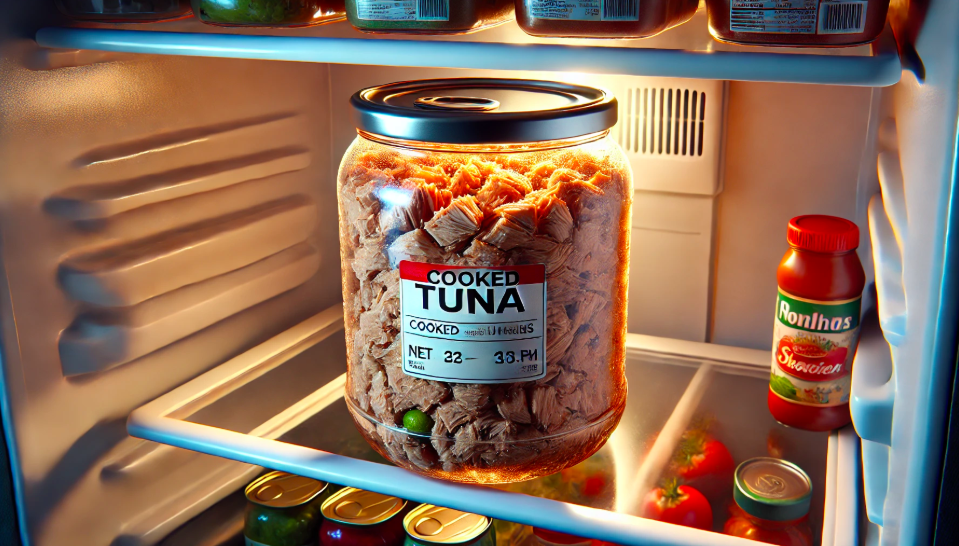
Cooked canned tuna typically lasts about 3 to 4 days in the refrigerator when stored properly. To ensure it stays safe to eat, it's important to transfer the tuna to an airtight container immediately after opening the can. If not stored properly or if left out at room temperature for more than two hours, the tuna can spoil quickly, increasing the risk of foodborne illness. Always check for signs of spoilage, such as an off odor, discoloration, or slimy texture, before consuming leftover cooked tuna. For longer storage, you can freeze the tuna, which can keep it safe for up to 3 months.
Understanding The Shelf Life Of Cooked Canned Tuna
Cooked canned tuna typically lasts for 3 to 5 years when stored properly. The shelf life is influenced by factors like storage conditions and the can’s integrity. Cans should be kept in a cool, dry place, away from heat or direct sunlight. Always check the can for any dents, rust, or bulging, as these signs can indicate spoilage. After opening, cooked tuna should be consumed within 3 to 4 days if refrigerated. It's also important to note that while the product can remain safe to eat beyond the printed date, its quality may decline over time.
Proper Storage Of Cooked Canned Tuna
Storing cooked canned tuna properly is important to keep it safe to eat and maintain its quality. Here’s a simple guide on how to store it:
1. Cool It Down Quickly
After cooking canned tuna, it’s important to let it cool to room temperature. Don’t leave it out for more than 2 hours, or 1 hour if the room is hot. If you're in a hurry, you can place the tuna in a shallow container and set it in the fridge to cool faster.
2. Transfer To A Sealed Container
Once the tuna has cooled down, transfer it from the can (which is not ideal for long-term storage) into an airtight container. A plastic or glass container with a tight-fitting lid works best.
3. Refrigeration
Cooked tuna should be stored in the refrigerator if you plan to eat it within a few days. It can last 3 to 4 days in the fridge.
4. Freezing (Optional)
If you want to keep cooked tuna for longer, freezing is a good option. Place the tuna in a freezer-safe container or a heavy-duty freezer bag. Make sure it’s sealed well to avoid freezer burn. Frozen cooked tuna can last up to 3 months.
Can You Freeze Cooked Canned Tuna For Longer Storage?
Yes, you can freeze cooked canned tuna for longer storage, but there are some important things to know to ensure it stays safe and good to eat.
Freezing Cooked Canned Tuna
How to Freeze:
1. Drain the Tuna: Before freezing, make sure you drain all the liquid from the canned tuna. This will help prevent it from becoming too watery when thawed.
2. Wrap it Well: Place the tuna in a freezer-safe bag or container. You can also use plastic wrap or foil to wrap it tightly before putting it in the container. This helps prevent freezer burn.
3. Label and Date: Write the date on the container so you know when you froze it. This way, you can keep track of how long it's been stored.
Thawing And Using Frozen Tuna
To thaw frozen cooked tuna, it’s best to move it from the freezer to the fridge and let it thaw slowly. This usually takes several hours or overnight. You can also defrost it quickly in the microwave if needed.
After thawing, it’s safe to eat, but the texture might change. Frozen tuna might not be as firm as fresh tuna, so it’s best used in dishes like casseroles, tuna salads, or soups where the texture won’t be as noticeable.
Best Practices For Reheating Cooked Canned Tuna
When reheating canned tuna, it’s important to do so safely and effectively to preserve its texture and flavor. Below are some best practices, based on reliable food safety and culinary advice:
1. Choose The Right Method
- Stovetop: This is one of the best ways to reheat tuna, as it helps maintain its flavor and moisture. Heat it on low to medium heat in a non-stick pan. Add a little oil or butter to prevent the tuna from drying out. Stir occasionally and avoid overcooking.
- Microwave: If you're short on time, the microwave is a quick option. Place the tuna in a microwave-safe bowl and cover it with a lid or microwave-safe plastic wrap. Heat it in short bursts (20-30 seconds), stirring between each to ensure even warming.
- Oven: This method is not commonly used for reheating canned tuna but can be helpful if you are preparing a tuna casserole or dish that requires a longer cooking time. Preheat your oven to 350°F (175°C) and heat the tuna for about 10-15 minutes.
2. Avoid Overheating
Canned tuna is already cooked before it’s canned, so it doesn’t need much time to warm up. Overheating can lead to a dry, rubbery texture. The key is to heat it gently and for a short time.
3. Add Moisture
To prevent the tuna from drying out, consider adding a small amount of liquid, such as water, broth, olive oil, or even a splash of lemon juice while reheating.
4. Stir And Check For Even Heating
Tuna should be stirred frequently while reheating to ensure it warms evenly. This helps avoid cold spots and ensures better texture.
Is It Safe To Eat Cooked Canned Tuna After Expiration Date?
Eating cooked canned tuna after the expiration date is generally not recommended, but it can depend on a few factors.
1. Expiration Date vs. Best By Date: The "expiration" or "best by" date on canned tuna is an indicator of when the product is at its best quality, not necessarily when it becomes unsafe to eat. Canned tuna can often remain safe to consume after this date if stored properly, but the taste and texture may not be the same.
2. Storage Conditions: If the canned tuna has been stored in a cool, dry place and the can is intact (no dents, bulges, or rust), it may still be safe even after the expiration date. Cans that are damaged can lead to bacteria growth, which makes the tuna unsafe to eat.
3. Quality vs. Safety: If the tuna looks, smells, and tastes normal, it's likely safe to eat, even if it’s past the expiration date. However, it’s still a good idea to err on the side of caution and not eat food that appears spoiled, regardless of the date.
4. Health Risk: Eating expired canned tuna that is spoiled could lead to food poisoning, causing symptoms like nausea, vomiting, or diarrhea. Canned tuna that has been stored correctly and is free of spoilage signs is unlikely to cause harm, but if in doubt, it’s better to discard it.
Signs That Cooked Canned Tuna Has Gone Bad
Cooked canned tuna, like all perishable foods, can go bad over time. Here are some signs to look for that indicate the tuna may no longer be safe to eat. These points are based on reliable sources like the USDA and food safety experts.
1. Off Smell
If the cooked tuna gives off a sour, rancid, or unpleasant odor, it is a clear sign that it has spoiled. Fresh tuna should have a mild, ocean-like scent. An off smell means it has gone bad.
2. Change In Color
Tuna that has turned a dull, gray, or brown color instead of its usual pink or light brown color might be spoiled. This change could indicate the growth of bacteria or the breakdown of proteins.
3. Slimy Texture
If the tuna feels slimy or mushy when touched, this is another sign of spoilage. The texture should be firm, and the fish should not feel sticky or slimy to the touch.
4. Excessive Water Or Liquid
If there is more liquid than usual in the container or the tuna is swimming in liquid, it could mean the fish has started to spoil. However, some canned tuna may have more liquid than others, so always check for other signs as well.
5. Visible Mold
If you see any mold growth on the tuna, discard it immediately. Mold growth is a clear indicator that bacteria or fungi have started to grow on the fish.
6. Unusual Taste
If the tuna tastes sour, bitter, or unpleasant in any way, do not eat it. Fresh tuna should have a mild flavor, and any off-taste suggests spoilage.