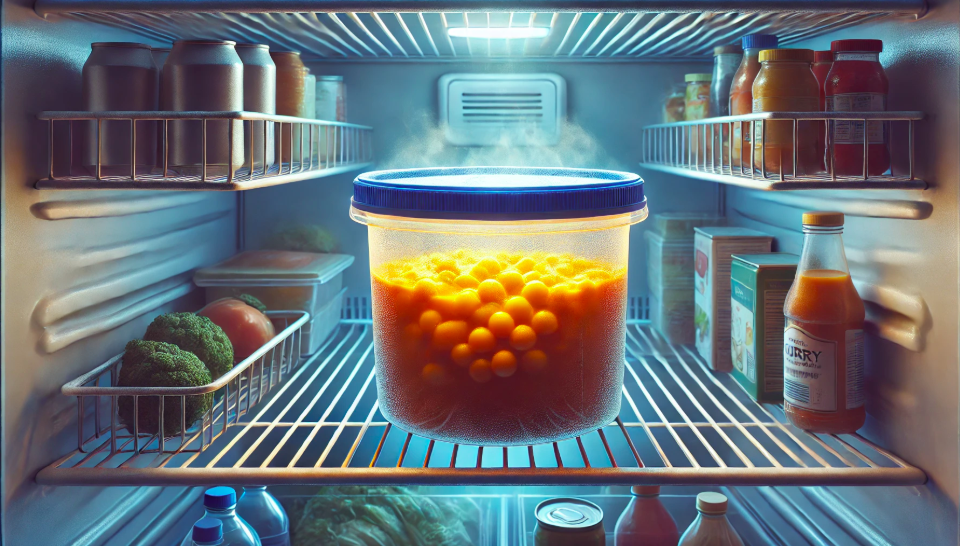
Cooked curry can typically last in the fridge for about 3 to 4 days when stored properly. To maximize its shelf life, it should be placed in an airtight container and refrigerated as soon as it cools down to room temperature. If left out for too long, curry can develop harmful bacteria, especially if it contains dairy, meat, or seafood. Always make sure to check for signs of spoilage, such as an off smell, change in color, or unusual texture. If you don’t plan to eat the curry within that time frame, freezing it is a great option, where it can last for up to 3 months. When reheating, ensure the curry reaches a safe temperature to avoid foodborne illnesses.
Optimal Storage Conditions For Cooked Curry
To store cooked curry safely, it’s important to cool it quickly after cooking. Let the curry cool at room temperature for no more than 1 hour, then transfer it to an airtight container. Refrigerate the curry at 40°F (4°C) or lower and consume it within 3-4 days for the best quality and safety. If you need to store it for a longer period, freezing is a good option. Before freezing, ensure the curry has cooled to room temperature, then place it in a freezer-safe container. Curry can be kept in the freezer for up to 3 months; be sure to label the container with the date it was stored. When reheating, ensure the curry reaches a temperature of 165°F (74°C) to kill any harmful bacteria. If reheating from frozen, it’s best to defrost it in the fridge overnight or use the microwave for faster results.
How Long Does Cooked Curry Stay Safe In The Fridge?
It's important to let the curry cool down to room temperature before refrigerating it, but don’t leave it out for more than 2 hours. Store it in an airtight container to keep it fresh and prevent contamination. The fridge should be set to a temperature below 40°F (4°C) to slow down the growth of bacteria. After 3 to 4 days, the curry should either be consumed or discarded. If you want to store it for a longer period, you can freeze it for up to 3 months. When reheating, make sure the curry is heated all the way through to ensure it is safe to eat.
Can You Freeze Cooked Curry For Later Use?
Yes, you can freeze cooked curry for later use. Freezing curry is a good way to store leftovers or prepare meals in advance. Here are the steps and tips based on reliable information:
How To Freeze Cooked Curry:
1. Cool the Curry: Before freezing, let the curry cool down to room temperature. This helps prevent the formation of ice crystals and keeps the curry's texture better when reheated.
2. Use Airtight Containers: Transfer the curry to airtight containers or freezer bags. If you're using freezer bags, try to remove as much air as possible to avoid freezer burn. For containers, make sure they are labeled with the date for easy tracking.
3. Portion the Curry: If you plan to use the curry in smaller servings, divide it into portions before freezing. This will make it easier to thaw only what you need.
4. Freeze Immediately: Place the curry in the freezer as soon as possible. Try to keep it flat in the freezer to save space.
How To Reheat Cooked Curry Safely
To safely reheat cooked curry, follow these steps:
1. Reheat in small portions: This helps ensure the curry heats up evenly and doesn’t stay in the "danger zone" (40°F - 140°F) for too long, which can allow harmful bacteria to grow.
2. Use a stovetop: Place the curry in a pot and heat on medium-low, stirring occasionally. If the curry is too thick, add a little water or broth to help it heat through.
3. Microwave method: If using a microwave, place the curry in a microwave-safe bowl. Cover it with a microwave-safe lid or paper towel to avoid splattering. Heat in short intervals (1-2 minutes), stirring in between to ensure even heating.
4. Check the temperature: The curry should be heated to at least 165°F (74°C) to be safe. A food thermometer can help you check this.
5. Don't reheat multiple times: It's safer to only reheat curry once. Repeated reheating can increase the risk of foodborne illness.
These guidelines help keep your curry safe to eat while maintaining its flavor and quality.
Tips For Maximizing The Freshness Of Cooked Curry
To keep cooked curry fresh for longer, there are a few key steps that can help maintain its flavor and quality:
1. Cool Curry Quickly
- Why it matters: Leaving curry out for too long can lead to bacteria growth, which affects both safety and freshness.
- How to do it: After cooking, cool the curry down as quickly as possible. You can do this by placing the pot in a sink filled with ice water or transferring the curry to shallow containers to help it cool faster.
2. Store Properly In The Fridge
- Why it matters: Storing curry in the fridge helps slow down spoilage and keeps it fresh.
- How to do it: Store the curry in airtight containers. Make sure the curry has cooled to room temperature before putting it in the fridge. Avoid storing curry in large pots as it can stay warm in the middle, leading to faster spoilage.
3. Use Fresh Ingredients
- Why it matters: Using fresh ingredients to cook curry increases the chances of it staying fresh longer.
- How to do it: Always choose fresh vegetables, meats, and spices when preparing curry. This improves the overall quality and helps it last better when stored.
4. Reheat Only Once
- Why it matters: Repeated reheating can decrease the flavor and quality of curry, as well as lead to food safety concerns.
- How to do it: When reheating curry, only heat the amount you plan to eat. This reduces the number of times it’s reheated and helps it stay fresh longer.
Signs Cooked Curry Has Gone Bad
Here are the signs that cooked curry has gone bad, based on solid food safety guidelines:
1. Off Smell
- If the curry smells sour, rancid, or has a strange, unpleasant odor, it’s likely spoiled. Fresh curry should smell fragrant and flavorful, with the spices and ingredients still noticeable.
2. Changes In Color
- If the curry’s color has become dull or darker than usual, it could indicate bacterial growth. Some curries can also change color because of exposure to air, but it’s always better to be cautious if the change is significant.
3. Mold Growth
- Visible mold on the surface of the curry is a clear sign that it’s no longer safe to eat. Mold can grow when curry is stored improperly or left out too long.
4. Off Taste
- If you take a small taste and the curry has an unusual or sour flavor, it has likely spoiled. A good rule of thumb is: if it doesn’t taste right, it’s best not to eat it.
5. Slimy Or Unusual Texture
- If the curry feels slimy, or the texture of the meat or vegetables has changed (becoming mushy or soggy), it might have gone bad.
6. Presence Of Bubbles
- If you see bubbles in the curry, especially when it’s not being heated, it may be a sign of bacterial fermentation, which means it’s unsafe to eat.