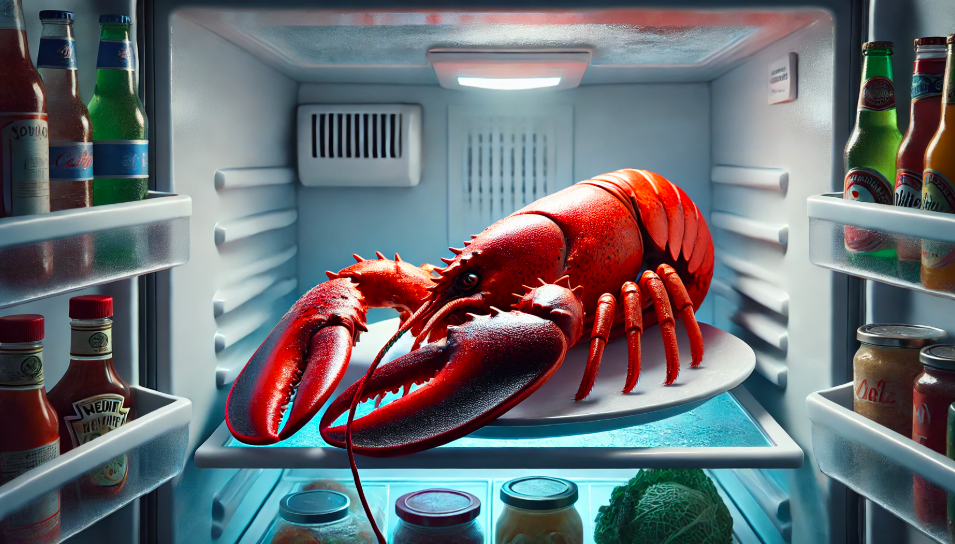
Cooked lobster is a delicious treat, but it doesn’t last forever. If stored properly, it can remain safe to eat for up to 3 to 4 days in the refrigerator. This timeframe ensures the lobster maintains its flavor, texture, and quality while reducing the risk of spoilage.
The key to achieving this shelf life is to refrigerate the lobster as soon as possible after cooking. Bacteria multiply quickly at room temperature, so it's best to transfer your lobster to the fridge within two hours of preparation. By adhering to these guidelines, you can enjoy the seafood without worrying about safety or taste.
Best Storage Practices For Cooked Lobster In The Fridge
To keep cooked lobster fresh for as long as possible, proper storage is essential. Here are the best practices:
- Use Airtight Containers: Store the lobster in a shallow, airtight container. This prevents air from coming into contact with the lobster, which could dry it out or lead to contamination.
- Wrap It Tightly: If you don’t have an airtight container, heavy-duty plastic wrap or aluminum foil works well. Make sure the lobster is wrapped snugly to keep it protected from air and moisture.
- Keep It in the Coldest Part of the Fridge: Place the lobster in the coldest area, usually the back of the refrigerator or the bottom shelf. This helps maintain a consistent and optimal temperature.
- Separate From Other Foods: Store the lobster away from strong-smelling foods like onions or garlic. Lobster can easily absorb odors, which may alter its taste.
Proper storage techniques are crucial to preserving the lobster's flavor and texture while ensuring it remains safe to eat.
Signs That Cooked Lobster Has Gone Bad
Recognizing when lobster is no longer safe to eat is vital for your health. Spoiled lobster can cause foodborne illnesses, so look out for the following signs:
- Unpleasant Smell: Fresh cooked lobster has a mild, slightly sweet aroma. If it smells sour, fishy, or like ammonia, it has spoiled and should be discarded.
- Color Changes: Cooked lobster meat is typically white with a reddish shell. If the meat turns gray, green, or brown, it’s no longer good.
- Texture Issues: Fresh lobster meat is firm and slightly springy. If the texture becomes slimy, mushy, or overly dry, it’s a sign of spoilage.
- Off Taste: While you should avoid tasting questionable lobster, if you do take a bite and it tastes sour or unusual, don’t eat any more.
If you notice any of these signs, throw the lobster away to avoid the risk of foodborne illnesses.
Tips To Extend The Shelf Life Of Cooked Lobster
If you want to make your cooked lobster last longer, here are some practical tips:
- Refrigerate Promptly: Place the lobster in the fridge within two hours of cooking. This minimizes the chance of bacteria growing.
- Store Properly: Use airtight containers or tightly wrap the lobster in foil or plastic wrap. This protects it from air exposure and keeps it moist.
- Control Temperature: Ensure your refrigerator is set to 40°F (4°C) or lower. Consistently cold temperatures slow bacterial growth.
- Freeze It: If you’re not planning to eat the lobster within a few days, freeze it. Frozen cooked lobster can last up to three months while maintaining its flavor and texture.
- Keep It Clean: Avoid cross-contamination by storing lobster separately from raw foods, especially raw seafood, which can introduce harmful bacteria.
By following these tips, you can enjoy your cooked lobster for longer without compromising safety or quality.
What Happens If You Eat Spoiled Lobster?
Eating spoiled lobster can lead to food poisoning, a condition caused by consuming food contaminated with harmful bacteria. Symptoms can vary but often include:
- Nausea and Vomiting: The body tries to expel the spoiled food.
- Diarrhea: A common reaction to foodborne bacteria or toxins.
- Stomach Cramps: You might experience pain or discomfort in your abdomen.
- Fever and Chills: Severe cases of food poisoning can lead to these symptoms.
In extreme cases, consuming spoiled lobster may result in severe dehydration or even hospitalization. If you suspect you’ve eaten bad lobster and experience severe symptoms, seek
Reheating Cooked Lobster: Dos And Don’ts
When it comes to reheating lobster, doing it the right way ensures that it remains flavorful and safe to eat. Here’s what you should know:
Dos:
- Reheat Slowly: Lobster meat can become rubbery if heated too quickly. Use low or medium heat to warm it evenly.
- Steam or Bake: Steaming lobster in a pot with a bit of water or reheating it in an oven with butter can preserve its moisture and prevent it from drying out.
- Use a Thermometer: Heat the lobster to an internal temperature of 165°F (74°C) to kill any bacteria.
- Reheat Once: Only reheat the amount you plan to eat. Repeated reheating increases the risk of bacterial growth and degrades the texture.
Don’ts:
- Avoid the Microwave: Microwaving can lead to uneven heating and a tough texture.
- Don’t Reheat in the Shell: While reheating, remove the lobster meat from the shell to ensure even heating.
By following these guidelines, you can enjoy reheated lobster without compromising its taste or safety.
Freezing Cooked Lobster For Longer Storage
Freezing is an excellent option for preserving cooked lobster for a longer time. Here’s how to do it:
- Preparation: Remove the lobster meat from the shell. Keeping the meat separate prevents freezer burn and makes thawing easier.
- Wrapping: Wrap the lobster meat tightly in plastic wrap or aluminum foil. For added protection, place the wrapped lobster in a resealable freezer bag or airtight container.
- Labeling: Write the date on the package so you know when it was frozen.
- Freezing Time: While cooked lobster can be safely frozen for several months, its best quality is maintained for up to three months.
- Thawing: When ready to eat, thaw the lobster in the refrigerator overnight. Avoid thawing at room temperature, as this can encourage bacterial growth.