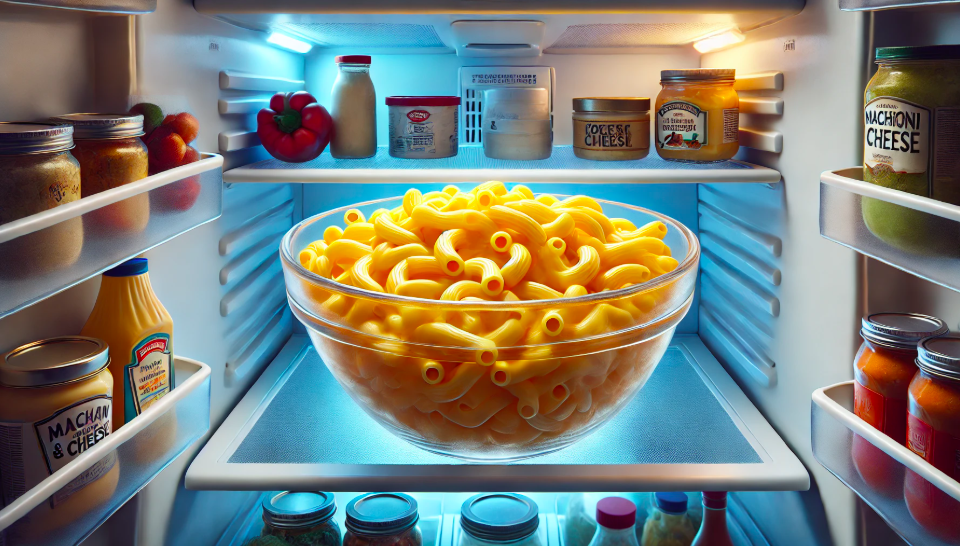
Cooked mac and cheese can last in the refrigerator for 3 to 5 days when stored properly. This duration depends on several factors, including how it is stored and the freshness of its ingredients. Once you’ve prepared mac and cheese, ensure you refrigerate it within two hours of cooking to prevent bacteria from developing.
Use an airtight container to maintain the quality and prevent the dish from absorbing any other odors in the fridge. If you leave mac and cheese at room temperature for more than two hours, it’s better to discard it, as bacteria can grow rapidly in warm environments. While refrigeration keeps it fresh for a few days, freezing it is a good option if you want to store it longer. Frozen mac and cheese can last for 1 to 2 months without losing its flavor and texture.
Factors Affecting The Freshness Of Refrigerated Mac And Cheese
- Storage Method: Proper storage is critical. If mac and cheese is stored in a shallow airtight container, it cools evenly and stays fresher for longer. Containers that are not sealed properly may allow air and moisture to enter, which can speed up spoilage.
- Ingredient Quality: The type of cheese and dairy products used can impact how long the dish remains fresh. High-quality, fresh ingredients typically last longer, while ingredients nearing their expiration date can shorten the dish’s shelf life.
- Refrigeration Timing: It’s important to refrigerate mac and cheese promptly. Leaving it out for too long at room temperature encourages the growth of harmful bacteria like Salmonella and Listeria. Ideally, food should be stored within two hours of cooking.
- Cross-Contamination: If you use utensils that are not clean or touch other foods while handling mac and cheese, you risk introducing bacteria, which can reduce its freshness and safety.
Signs That Your Mac And Cheese Has Gone Bad
Knowing when mac and cheese has spoiled is crucial to avoid foodborne illnesses. Here are the clear signs:
- Bad Smell: Fresh mac and cheese has a rich, cheesy aroma. If it smells sour, musty, or rancid, it’s a strong indicator that it has gone bad.
- Appearance of Mold: Mold often appears as green, blue, or black spots. If you see any mold on the surface, discard the dish immediately.
- Texture Changes: Spoiled mac and cheese may develop a slimy or sticky texture, which indicates bacterial growth.
- Discoloration: If the mac and cheese changes color, becoming darker or developing an off-white or gray hue, it’s no longer safe to eat.
- Unpleasant Taste: Finally, if the mac and cheese tastes sour or bitter, it’s a sign that the dish has spoiled. Avoid tasting if you’ve already noticed other signs of spoilage.
Tips For Storing Cooked Mac And Cheese Properly
Storing mac and cheese correctly can extend its shelf life and maintain its taste and texture:
- Cool Before Storing: Allow the dish to cool down slightly before putting it in the refrigerator. This prevents condensation from forming inside the container, which can lead to sogginess and spoilage.
- Use Proper Containers: Store mac and cheese in airtight containers to keep air and bacteria out. For larger portions, divide the dish into smaller containers to cool it evenly.
- Reheat Safely: When reheating, ensure the mac and cheese reaches an internal temperature of at least 165°F (74°C) to kill any bacteria that may have developed.
- Avoid Repeated Refrigeration: Once you’ve reheated mac and cheese, try to consume it all in one sitting. Refrigerating and reheating multiple times can degrade its quality and increase the risk of bacterial growth.
- Label Containers: Label the storage container with the date to keep track of how long the dish has been stored.
Can You Freeze Cooked Mac And Cheese To Extend Its Life?
Freezing cooked mac and cheese is an excellent way to extend its shelf life. Properly frozen mac and cheese can last for 2 to 3 months. Here’s how to do it effectively:
- Cool Completely: Before freezing, let the mac and cheese cool completely to prevent ice crystals from forming, which can alter its texture.
- Use Freezer-Safe Containers: Transfer the dish to airtight, freezer-safe containers or heavy-duty freezer bags. Make sure to leave some space at the top, as the food may expand as it freezes.
- Wrap Tightly: If using a dish or tray, cover it tightly with plastic wrap or aluminum foil to prevent freezer burn.
- Thawing and Reheating: To reheat, thaw the mac and cheese overnight in the refrigerator. Reheat in an oven, microwave, or stovetop, stirring occasionally to restore its creamy consistency. Avoid refreezing thawed mac and cheese.
The Difference Between Homemade and Store-Bought Cooked Mac and Cheese Storage
- Preservatives: Store-bought mac and cheese often contains preservatives, which can extend its shelf life. Homemade versions, being free from preservatives, spoil more quickly and require stricter storage practices.
- Packaging: Pre-packaged mac and cheese often comes in vacuum-sealed or tightly sealed packaging, which prevents air and bacteria from entering. Homemade mac and cheese needs to be stored in airtight containers to achieve similar results.
- Shelf Life: Once cooked, both versions should be stored in the refrigerator and consumed within 3 to 5 days. However, unopened store-bought mac and cheese in dry form can last for months or even years, as long as it’s kept in a cool, dry place.
- Texture After Freezing: Homemade mac and cheese may retain its creamy texture better when frozen, while store-bought versions may become grainy after freezing and reheating.
Risks of Consuming Spoiled Mac and Cheese
Eating spoiled mac and cheese can pose significant health risks. Spoilage can lead to foodborne illnesses caused by harmful bacteria like E. coli, Listeria, or Salmonella. Symptoms of food poisoning include:
- Nausea and Vomiting
- Stomach Pain and Cramps
- Diarrhea
- Fever and Fatigue
In severe cases, consuming spoiled food can lead to dehydration or hospitalization, especially for young children, pregnant women, older adults, and individuals with weakened immune systems.
To minimize risks, always store mac and cheese properly, check for signs of spoilage before consuming, and discard any leftovers that have been stored beyond their safe limits. When in doubt, it’s safer to throw it out than risk your health.