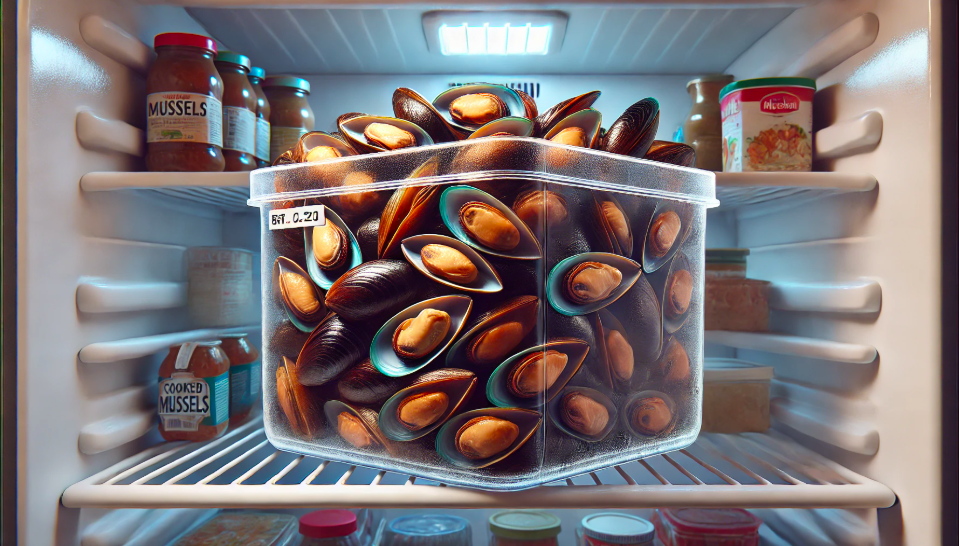
Cooked mussels can typically last in the fridge for about 3 to 4 days when stored properly. To ensure they stay safe to eat, it's important to refrigerate them within two hours of cooking. Store the mussels in an airtight container or tightly wrapped in plastic wrap or aluminum foil to minimize exposure to air and prevent contamination. If you're unsure about their freshness, check for signs of spoilage such as a sour smell, slimy texture, or discoloration. For longer storage, cooked mussels can be frozen, which will extend their shelf life to about 2 to 3 months. However, freezing may affect their texture, so it's best to consume them within the first few months for optimal quality.
Understanding The Shelf Life Of Cooked Mussels
Cooked mussels are best eaten within 1-2 days when stored in the refrigerator. If they are kept in an airtight container or tightly wrapped in plastic, they can maintain their quality for up to 2 days. After this, their taste, texture, and safety can deteriorate. For longer storage, mussels can be frozen for up to 3 months, but freezing may alter their texture. When checking for spoilage, look for signs like an off smell (sour or ammonia-like), changes in appearance (such as discoloration or a slimy coating), or a mushy or rubbery texture. To store mussels properly, place them in a cool environment, ideally below 40°F (4°C), and make sure cooked mussels are stored in a sealed container. If freezing, remove them from the shells (optional) and store them in a freezer-safe bag or container, squeezing out any excess air to avoid freezer burn. When reheating, ensure they are heated to 165°F (74°C) to kill any harmful bacteria. While leftover mussels can be eaten if stored and reheated correctly, they should be consumed within the recommended timeframe to minimize the risk of foodborne illness.
Proper Storage Methods For Cooked Mussels
To store cooked mussels properly, place them in the refrigerator within two hours after cooking to prevent bacteria growth. Store them in an airtight container or cover them tightly to keep air out and preserve their freshness. If you want to keep them cooler for a longer period, you can place the mussels in a shallow pan over ice, but make sure to drain any melted water and replace the ice as needed. Cooked mussels are best eaten within one to two days, as their texture and flavor degrade over time. If you need to store them longer, freezing is an option—remove the mussels from their shells if you prefer, then place them in a freezer-safe bag or container, ensuring minimal air is trapped inside.
Can You Freeze Cooked Mussels?
Yes, you can freeze cooked mussels, and it’s a great way to preserve them if you can't eat them all at once. To freeze cooked mussels properly, start by letting them cool down completely after cooking. This helps prevent condensation, which can make them soggy when frozen. You can choose to remove the mussels from their shells, which makes them easier to use later, or leave them in the shells if you prefer. Once cooled, place them in a freezer-safe container or a heavy-duty freezer bag, making sure to squeeze out as much air as possible to avoid freezer burn. Label the container with the date so you can track how long they've been frozen. Cooked mussels can be stored in the freezer for up to three months, though they are still safe to eat after that, their texture and flavor may start to decline. When you're ready to use them, it's best to thaw mussels in the fridge overnight. If you're in a hurry, you can thaw them quickly by running cold water over them or reheating them directly from the freezer. When reheating, make sure not to overcook them, as this can make them tough. By following these steps, you can enjoy your mussels later with minimal loss of quality.
What Happens If You Eat Expired Cooked Mussels?
Eating expired cooked mussels can be harmful because they may contain bacteria or toxins that can cause food poisoning. When mussels spoil, they can develop harmful bacteria like Vibrio or Salmonella, leading to symptoms such as stomach cramps, diarrhea, nausea, vomiting, and fever. In some cases, spoiled mussels can also produce biotoxins that cause more serious issues like numbness, tingling, dizziness, or difficulty breathing. The risk of these problems increases the longer the mussels are stored or left at room temperature. To avoid illness, it’s important to store cooked mussels in the fridge and consume them within 1-2 days. If the mussels have a bad smell, appear slimy or mushy, or if the shells don’t close when tapped, they should not be eaten. Proper storage and prompt consumption are key to avoiding food poisoning from expired mussels.
How To Reheat Leftover Mussels Safely
To safely reheat leftover mussels, it’s important to follow a few simple steps to ensure they stay safe to eat. First, store cooked mussels properly by refrigerating them within two hours of cooking. When reheating, there are a few methods you can use. One way is to heat them on the stovetop by placing them in a skillet with a little liquid, such as water, broth, or wine, to prevent them from drying out. Cover the pan and heat for about 3-5 minutes, stirring gently. Another method is using the microwave: place the mussels in a microwave-safe bowl, cover with a damp paper towel, and heat in 30-second intervals, stirring in between, until they are hot throughout, which usually takes 1-2 minutes. Alternatively, you can reheat mussels in the oven by preheating to 350°F (175°C), placing the mussels in an oven-safe dish with a little liquid, covering with foil, and baking for 10 minutes. It’s important to avoid reheating mussels more than once and not to use a slow cooker, as it may not heat them evenly. Always check that the mussels are hot and safe to eat, and discard any mussels that were open before cooking, as they might not be safe. By following these guidelines, you can safely enjoy your leftover mussels.
Signs That Cooked Mussels Have Gone Bad
Cooked mussels, like other shellfish, can spoil quickly if not stored or handled properly. Here are signs that cooked mussels have gone bad, based on trusted sources like food safety guidelines and expert recommendations:
1. Off Smell
- Fresh mussels have a clean, ocean-like smell. If your cooked mussels smell sour, fishy, or rotten, they are no longer safe to eat.
2. Change In Appearance
- Mussels should be moist and glossy after cooking. If they look dried out, slimy, or have discolored shells, it's a sign they may have spoiled.
3. Unopened Shells
- Mussels should open during cooking. If you find any mussels with shells that remain closed after cooking, discard them. They might not be safe to eat, even if cooked.
4. Sticky Or Slimy Texture
- A cooked mussel should have a firm, meaty texture. If it feels sticky or slimy to the touch, it could be spoiled.
5. Unusual Taste
- If the mussels taste strange or off, this is a clear indicator that they are no longer fresh. Trust your taste buds to detect any odd flavors.