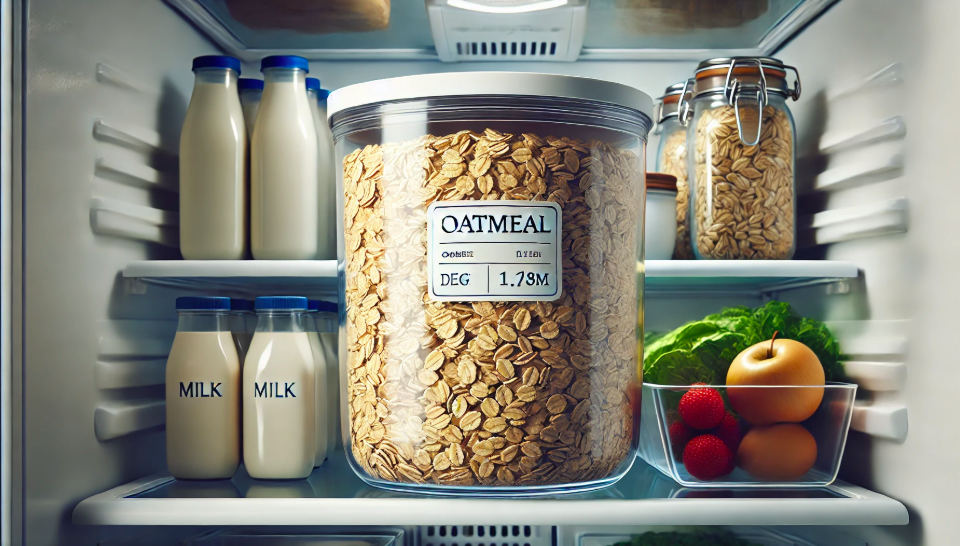
Cooked oatmeal typically lasts 4 to 6 days in the refrigerator when stored properly. The exact duration depends on factors such as the freshness of ingredients and how soon it was refrigerated after cooking. Ensure that the oatmeal is kept in an airtight container to prevent moisture loss and avoid contamination from other foods. If the oatmeal contains perishable add-ins like dairy, fruit, or eggs, its shelf life might be shorter, as these ingredients can spoil faster.
Signs Cooked Oatmeal Has Gone Bad
- Unpleasant Odor: Fresh oatmeal has a mild, neutral smell. If it smells sour, musty, or rancid, it has likely spoiled.
- Changes in Texture: Spoiled oatmeal might become excessively slimy or sticky due to bacterial growth.
- Mold Growth: Visible spots of mold, whether white, green, or black, are clear indicators of spoilage.
- Off Taste: If the oatmeal tastes bitter, sour, or otherwise unusual, it is no longer safe to eat.
- Discoloration: A change in color, such as dark or dull spots, may also signal that it has gone bad.
Proper Storage Techniques For Cooked Oatmeal
- Cool Before Storing: Allow the oatmeal to cool to room temperature before placing it in the fridge to prevent condensation and bacterial growth.
- Use Airtight Containers: Store the oatmeal in airtight containers or resealable bags to preserve freshness and prevent contamination.
- Label the Date: Write the date of preparation on the container to track how long it has been stored.
- Avoid Overcrowding: Store the container in a part of the fridge with consistent temperature, such as a shelf, rather than the door where temperature fluctuates.
- Separate Add-Ins: If you plan to include fresh fruits, nuts, or dairy, store them separately to extend the life of the oatmeal.
Can You Freeze Cooked Oatmeal For Extended Use?
Yes, cooked oatmeal can be frozen to extend its shelf life. When frozen, oatmeal can last up to 3 months without significant changes to its taste or texture.
- Portion Before Freezing: Divide the oatmeal into individual servings for easier reheating.
- Use Freezer-Safe Containers: Opt for freezer-safe bags or containers to prevent freezer burn.
- Remove Excess Air: If using bags, squeeze out as much air as possible before sealing.
- Label and Date: Clearly label the container with the freezing date to track its storage time.
- Thaw Properly: To use, thaw frozen oatmeal overnight in the refrigerator or reheat directly from frozen with a splash of liquid to regain the desired consistency.
Safe Reheating Practices For Stored Oatmeal
- Stovetop Reheating: Heat oatmeal on low to medium heat, adding a bit of milk or water to restore its creamy texture. Stir frequently to avoid sticking.
- Microwave Reheating: Place the oatmeal in a microwave-safe bowl, add a splash of liquid, and cover to prevent splattering. Heat in 30-second intervals, stirring in between.
- Check the Temperature: Ensure the oatmeal reaches a steaming hot temperature of at least 165°F (74°C) to kill any potential bacteria.
- Avoid Repeated Reheating: Only reheat the amount you plan to consume to reduce the risk of bacterial growth.
Effects Of Consuming Spoiled Oatmeal
- Stomach Discomfort: Spoiled oatmeal can cause stomach cramps, nausea, and vomiting due to the presence of harmful bacteria.
- Food Poisoning: Consuming moldy or contaminated oatmeal may lead to symptoms like diarrhea, fever, and fatigue.
- Allergic Reactions: Mold in spoiled oatmeal might trigger allergic reactions, including breathing difficulties, especially for those sensitive to mold.
- Toxin Exposure: Certain types of mold produce mycotoxins, which can harm your health over time if ingested.
- General Weakness: Spoiled oatmeal can dehydrate your body due to digestive distress, leaving you feeling lethargic and unwell.