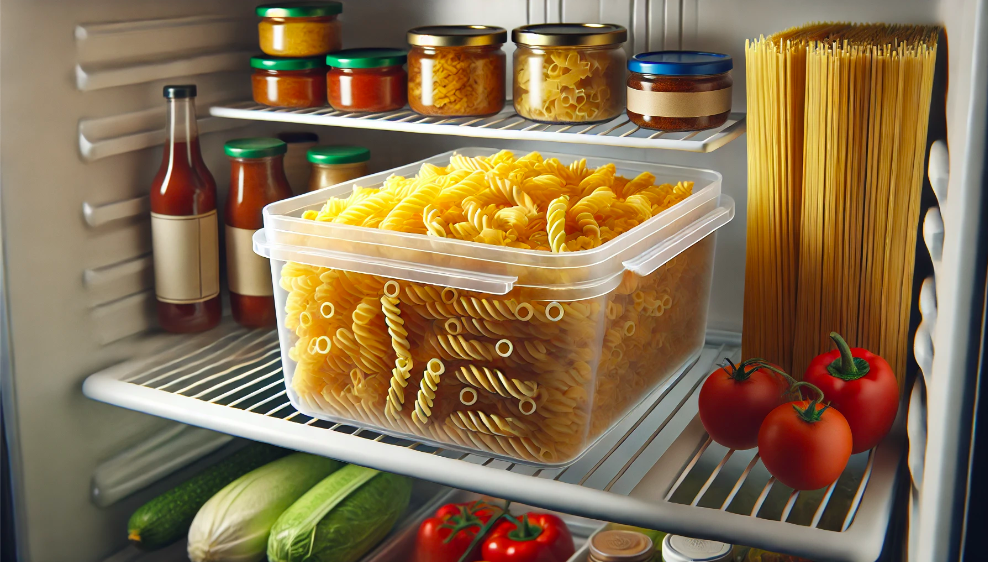
Cooked pasta can be safely stored in the refrigerator for 3 to 5 days. To maintain its quality, place the pasta in an airtight container or a resealable plastic bag to prevent it from drying out or absorbing odors from other foods. If you need to store it for a longer period, freezing is an option. Frozen cooked pasta can last up to two months. Before freezing, toss the pasta with a small amount of oil to prevent sticking, and store it in airtight containers or freezer bags.
Factors Affecting The Shelf Life Of Cooked Pasta
The shelf life of cooked pasta is influenced by several key factors:
- Storage Temperature: Keeping cooked pasta in the refrigerator at or below 40°F (4°C) slows bacterial growth, helping it stay fresh for 3–5 days.
- Air Exposure: Storing pasta in airtight containers or resealable bags limits exposure to air, preventing spoilage and drying out.
- Moisture Content: Excess moisture can lead to mold growth. Properly draining pasta before storage reduces this risk.
- Added Ingredients: Mixing pasta with perishable items like sauces, meats, or vegetables can shorten its shelf life, as these ingredients may spoil faster than the pasta itself.
- Initial Quality and Handling: The freshness of the pasta before cooking and how it's handled afterward affect its longevity. Prompt refrigeration within two hours of cooking is essential to prevent bacterial growth.
How To Properly Store Cooked Pasta In The Fridge
To store cooked pasta safely in the refrigerator, follow these steps:
- Cool the Pasta Quickly: After cooking, allow the pasta to cool for about 30 to 60 minutes until it reaches room temperature. This helps prevent bacterial growth.
- Use Shallow Containers: Place the cooled pasta in shallow, airtight containers. Shallow containers help the pasta cool evenly and reduce the risk of bacteria.
- Refrigerate Promptly: Once the pasta is in containers, put it in the refrigerator immediately. This keeps the pasta out of the "danger zone" (40-140°F) where bacteria can grow quickly.
Signs That Your Cooked Pasta Has Gone Bad
To determine if your cooked pasta has gone bad, look for the following signs:
- Unpleasant Odor: Spoiled pasta often emits a sour or rancid smell. If your pasta has an off-putting odor, it's best to discard it.
- Slimy or Sticky Texture: Fresh pasta should be firm and slightly tender. If it becomes slimy or overly sticky, this indicates bacterial growth, and it should not be consumed.
- Discoloration: Look for any changes in color, such as dullness or the appearance of white, gray, or green spots. These discolorations can signal mold development, making the pasta unsafe to eat.
- Mold Growth: Visible mold, which may appear as fuzzy patches in various colors, is a clear indication that the pasta has gone bad and should be thrown away.
To prevent spoilage, store cooked pasta in an airtight container in the refrigerator and consume it within 3–5 days.
Can You Extend The Shelf Life Of Cooked Pasta?
To extend the shelf life of cooked pasta, proper storage is essential:
- Refrigeration: Store cooked pasta in an airtight container in the refrigerator at or below 4°C (40°F). This method keeps the pasta safe to eat for up to five days.
- Freezing: For longer storage, place cooked pasta in a freezer-safe container or bag, removing as much air as possible before sealing. Frozen pasta can last up to two or three months. When ready to use, thaw it in the refrigerator and reheat thoroughly before consuming.
Always ensure the pasta is cooled to room temperature before storing to prevent condensation, which can lead to bacterial growth. Additionally, avoid leaving cooked pasta at room temperature for more than two hours to reduce the risk of foodborne illnesses.