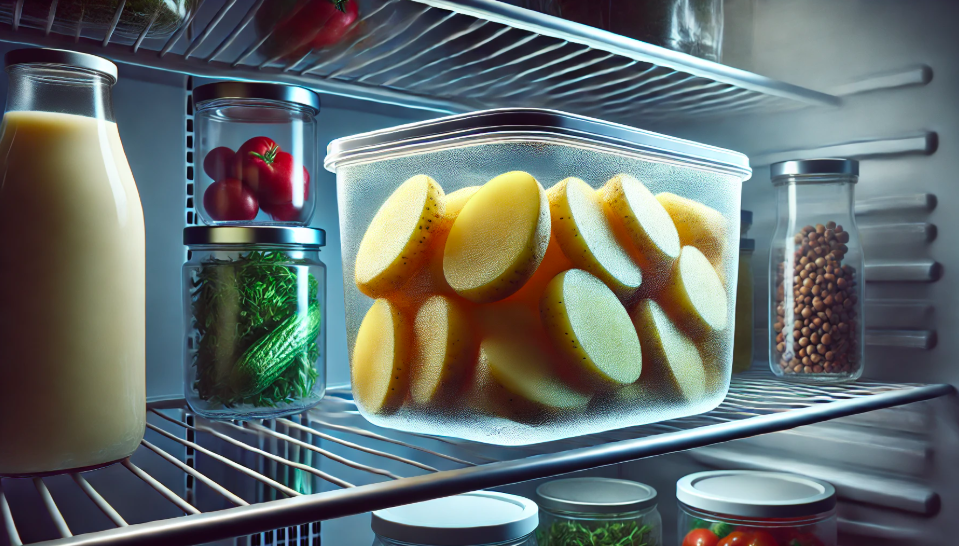
Cooked potatoes typically last in the fridge for about 3 to 5 days when stored properly. To ensure they stay fresh, it's important to refrigerate them within two hours of cooking and store them in an airtight container or wrap them tightly in plastic wrap. Keeping the potatoes in a cool, dry spot in the fridge helps prevent bacterial growth and maintains their quality. If you need to store them for a longer period, freezing is an option, though it may affect their texture. Always check for signs of spoilage, such as an off smell, discoloration, or mold, before consuming leftovers.
Optimal Storage Conditions For Cooked Potatoes
To properly store cooked potatoes and maintain their freshness, allow them to cool at room temperature for no more than 30 minutes after cooking. It’s important not to leave them out for more than 2 hours, as this can lead to bacterial growth. Once cooled, place the potatoes in an airtight container or wrap them tightly in plastic wrap or aluminum foil. Store them in the refrigerator at a temperature of 40°F (4°C) or lower, where they can stay fresh for 3-5 days. If you need to store them for a longer period, you can freeze cooked potatoes. To freeze, make sure they are completely cooled, then wrap them securely in plastic wrap and aluminum foil or place them in a freezer-safe bag. Label the bag with the date to keep track, and they should stay good for up to 10-12 months. When reheating, ensure the potatoes are heated to at least 165°F (74°C) to ensure safety. By following these steps, you can preserve the quality and safety of cooked potatoes.
How Long Can Cooked Potatoes Stay Fresh In The Fridge?
To keep them fresh for this period, you should place them in an airtight container or wrap them tightly in plastic wrap or foil to avoid exposure to air.
It's important to check for signs of spoilage, such as an off smell, slimy texture, or mold. If any of these are present, it’s best to discard the potatoes.
For the best quality and to avoid potential foodborne illness, it’s recommended to eat the cooked potatoes within this 3-5 day window.
Can You Freeze Cooked Potatoes?
Yes, you can freeze cooked potatoes, but there are a few things to keep in mind to ensure the best results. Freezing potatoes after cooking is a good way to preserve them for later use, though the texture can change somewhat once thawed.
Steps For Freezing Cooked Potatoes
1. Prepare the Potatoes:
o If you've cooked potatoes by boiling, baking, or roasting, make sure they are fully cooked but not overcooked.
o Allow the potatoes to cool completely before freezing. This helps avoid condensation inside the bag or container, which can lead to freezer burn.
2. How to Freeze Different Types of Cooked Potatoes:
o Mashed Potatoes: Freeze mashed potatoes in small portions using freezer bags or airtight containers. To keep them creamy, you can add a little butter, milk, or cream before freezing.
o Boiled or Roasted Potatoes: For whole or cut-up boiled or roasted potatoes, place them in a single layer on a baking sheet and freeze them first for about 2 hours. This step prevents them from sticking together. Afterward, transfer them to freezer bags or containers.
o French Fries: For homemade or store-bought fries, you can freeze them in the same way by spreading them on a baking sheet first and then storing them in freezer bags.
3. Label and Store: Write the date on the freezer bags or containers. Cooked potatoes can be kept in the freezer for up to 10-12 months.
How To Reheat Cooked Potatoes Safely
To safely reheat cooked potatoes, follow these steps:
1. Cool Them Quickly: After cooking, let potatoes cool down within two hours to prevent bacteria growth. Store them in the fridge if you won't be reheating them soon.
2. Use a Microwave or Oven: You can reheat potatoes in a microwave or oven. For microwaving, place them in a microwave-safe dish and cover with a damp paper towel. Heat in short intervals, checking every 30 seconds. In the oven, wrap them in foil and bake at 350°F (175°C) for 10-15 minutes.
3. Reheat Once: Only reheat potatoes once to avoid food safety risks. If you reheat them multiple times, bacteria can grow, making them unsafe to eat.
4. Avoid Reheating in Large Portions: Reheat only what you will eat right away to minimize the risk of bacteria. If you have leftover potatoes, store them in small portions for later use.
By following these steps, you can safely reheat cooked potatoes without compromising their quality or safety.
Best Practices For Storing Different Types Of Cooked Potatoes
When storing cooked potatoes, it's important to do so safely to keep them fresh and prevent foodborne illness. Here are some best practices based on reliable sources like the U.S. Department of Agriculture (USDA) and the Food Safety and Inspection Service (FSIS).
1. Cool Potatoes Quickly
- Why: Potatoes can spoil quickly if not cooled down fast enough.
- How: After cooking, let potatoes cool at room temperature for no more than 2 hours. If you're in a hot environment, try to cool them in less time.
- Tip: To speed up cooling, cut large potatoes into smaller pieces.
2. Refrigerate Right Away
- Why: Storing cooked potatoes in the fridge helps prevent bacteria growth.
- How: Place the cooked potatoes in an airtight container or cover them with plastic wrap or foil.
- Tip: Potatoes should be stored at or below 40°F (4°C)to stay safe.
3. Store In A Shallow Container
- Why: A shallow container helps the potatoes cool evenly and quickly.
- How: Use a wide, shallow container so the heat escapes faster, reducing the risk of bacteria.
4. Keep Potatoes Whole Or Peeled
- Why: Storing whole or peeled potatoes is the easiest way to manage them.
- How: If you want to store mashed potatoes or any potato dish, make sure they are fully cooled and kept in a tightly sealed container.
- Tip: For mashed potatoes, consider adding a little bit of butter or cream to help maintain texture when reheating.
Signs That Cooked Potatoes Have Gone Bad
Cooked potatoes can go bad after some time, and it’s important to know when they are no longer safe to eat. Here are some signs that cooked potatoes have spoiled:
1. Bad SmellIf cooked potatoes start to smell sour, rotten, or musty, it’s a clear sign that they’ve gone bad. Fresh cooked potatoes should have a mild, neutral smell.
2. MoldIf you see any mold growing on the potatoes, it means they are no longer safe to eat. Mold can appear as green, blue, or white spots on the surface.
3. DiscolorationPotatoes that turn dark or have an off-color, like gray or black spots, might have spoiled. Though some browning is normal, deep color changes usually mean they’re bad.
4. Slimy or Sticky TextureCooked potatoes should be firm and not slimy. If they feel sticky or slimy to the touch, that’s a sign of bacterial growth.
5. Off TasteIf the potato tastes sour, bitter, or just off in any way, don’t eat it. Bad potatoes can cause stomach issues if consumed.
6. Softness or WrinklingWhile cooked potatoes can soften over time, if they become mushy, wrinkled, or very squishy, it indicates that they've passed their prime.