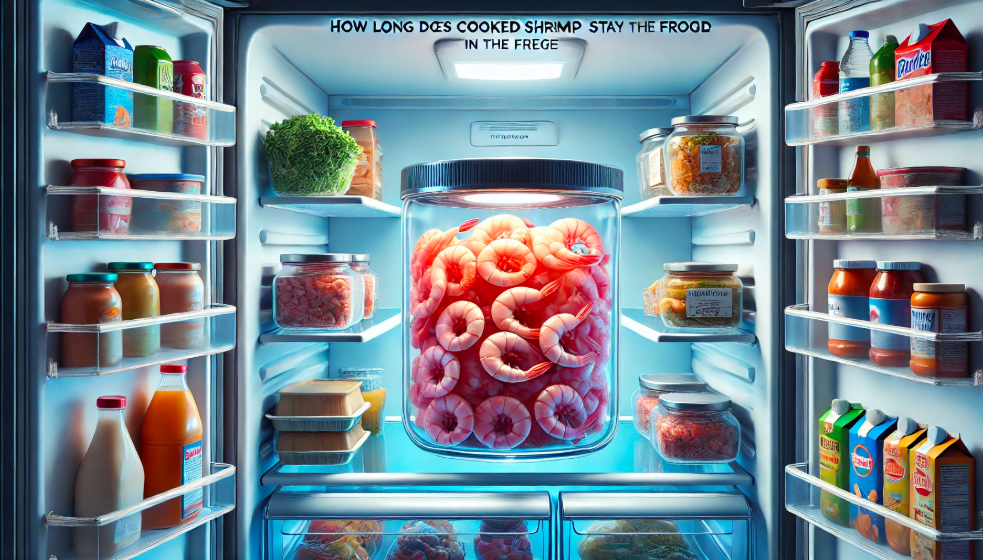
Cooked Shrimp, Like Many Other Seafood Items, Has A Relatively Short Shelf Life, Especially When Stored In The Refrigerator. In General, Cooked Shrimp Stays Good In The Fridge For 3 To 4 Days If It Is Stored Properly. After This Period, The Shrimp May Start To Deteriorate In Quality, Becoming Less Tasty, And It May Become Unsafe To Eat Due To Bacterial Growth. It’s Important To Store Cooked Shrimp In Airtight Containers Or Tightly Wrapped With Plastic Wrap Or Aluminum Foil To Help Preserve Its Freshness.
For The Best Quality, The Shrimp Should Be Refrigerated Within Two Hours Of Being Cooked. If The Shrimp Has Been Sitting At Room Temperature For Longer Than Two Hours, It’s Best To Discard It To Avoid The Risk Of Foodborne Illness. To Maximize The Freshness Of Cooked Shrimp In The Fridge, It Should Be Stored At A Temperature Below 40°F (4°C). If The Shrimp Has Been Properly Stored, It Will Remain Safe For 3 To 4 Days, But It’s Important To Check For Any Signs Of Spoilage, Which We Will Discuss Further.
Signs That Cooked Shrimp Has Gone Bad
Knowing How To Tell When Cooked Shrimp Has Gone Bad Is Essential For Preventing Foodborne Illness. There Are Several Signs You Can Look For To Determine If Your Shrimp Is Still Safe To Eat.
- Taste: If The Shrimp Passes The Smell, Texture, And Appearance Tests, But You’re Still Unsure, You Can Take A Small Bite. Spoiled Shrimp Will Have A Sour, Off Taste. If This Happens, Spit It Out Immediately And Discard The Shrimp.
- Appearance: Visually Inspecting Cooked Shrimp Is Another Key Indicator. If The Shrimp Has Developed Unusual Discoloration, Such As Yellow, Gray, Or Black Spots, It Is A Sign That It Is No Longer Fresh. Fresh Shrimp Is Usually A Translucent White Or Pinkish Color. Changes In Color Suggest That The Shrimp Has Gone Bad And May Not Be Safe To Consume.
- Texture: Another Way To Assess Shrimp Freshness Is By Its Texture. Fresh Shrimp Should Be Firm And Slightly Springy. If The Shrimp Feels Slimy, Mushy, Or Sticky To The Touch, It Has Likely Spoiled. The Slime Can Be A Result Of Bacterial Growth, Which Makes The Shrimp Unsafe To Eat.
- Odor: One of the most noticeable signs that cooked shrimp has gone bad is a strong, unpleasant smell. Fresh shrimp should have a mild, ocean-like or briny scent. However, if the shrimp has gone bad, it will give off a sour or ammonia-like odor. This is a clear sign of spoilage, and you should discard the shrimp if it smells off.
It’s Important To Trust Your Senses When Determining If Cooked Shrimp Is Still Good To Eat. If Any Of The Signs Mentioned Above Are Present, It’s Safer To Discard The Shrimp Rather Than Risk Food Poisoning.
Tips For Storing Cooked Shrimp Properly
Proper Storage Is Key To Ensuring That Cooked Shrimp Stays Fresh For As Long As Possible. Here Are Some Helpful Tips For Storing Cooked Shrimp:
Avoid Storing With Shells On: While Shrimp With The Shells On May Last A Little Longer, It’s Better To Remove The Shells Before Storing Cooked Shrimp In The Refrigerator. This Will Help Prevent The Shrimp From Developing A Fishy Smell And Will Make It Easier To Use When You’re Ready To Eat It.
Cool Quickly: After Cooking The Shrimp, It’s Important To Cool It Down Quickly Before Storing It In The Fridge. Allowing The Shrimp To Cool Down At Room Temperature For An Extended Period Can Cause Bacteria To Grow. Ideally, You Should Refrigerate Cooked Shrimp Within Two Hours Of Cooking To Prevent This. If You Are Storing A Large Batch Of Shrimp, Try Placing It In Shallow Containers To Speed Up The Cooling Process.
Freezing: If You Do Not Plan To Eat The Shrimp Within A Few Days, Freezing It Is An Excellent Option. To Freeze Cooked Shrimp, Place It In A Freezer-safe, Airtight Container Or Resealable Plastic Bag. Be Sure To Remove As Much Air As Possible From The Container To Prevent Freezer Burn. Cooked Shrimp Can Be Stored In The Freezer For 2 To 3 Months, After Which The Quality May Begin To Degrade.
Refrigeration: The Best Way To Store Cooked Shrimp Is To Keep It In The Refrigerator. Ensure That The Shrimp Is Placed In An Airtight Container Or Wrapped Tightly In Plastic Wrap Or Aluminum Foil. This Will Help Prevent Exposure To Air, Which Can Cause The Shrimp To Dry Out And Spoil Faster.
Can You Freeze Cooked Shrimp For Longer Storage?
Yes, You Can Freeze Cooked Shrimp To Extend Its Shelf Life. Freezing Is An Excellent Option For Preserving Cooked Shrimp If You Won’t Be Able To Eat It Within A Few Days. Properly Frozen Shrimp Can Last For 2 To 3 Months In The Freezer, Although The Quality May Degrade After That Period.
To Freeze Cooked Shrimp, It’s Important To Place It In A Freezer-safe, Airtight Container Or A Resealable Plastic Bag. Make Sure To Remove As Much Air As Possible To Avoid Freezer Burn. It’s Also Helpful To Label The Container With The Date So You Can Keep Track Of How Long The Shrimp Has Been Stored In The Freezer.
When You’re Ready To Use The Frozen Shrimp, It’s Best To Thaw It In The Refrigerator Overnight. If You Need To Thaw It More Quickly, You Can Place The Shrimp In A Sealed Plastic Bag And Submerge It In Cold Water. Avoid Thawing Shrimp At Room Temperature, As This Can Encourage Bacterial Growth.
While Freezing Cooked Shrimp Is A Great Way To Extend Its Shelf Life, Keep In Mind That Freezing Can Slightly Alter The Texture Of The Shrimp. The Shrimp May Become A Bit Softer Once It Is Thawed, But It Will Still Be Safe And Tasty To Eat.
How To Reheat Cooked Shrimp Safely
Reheating Cooked Shrimp Safely Is Important To Ensure That It Remains Safe To Eat And Doesn’t Pose A Food Safety Risk. Here Are A Few Methods For Reheating Cooked Shrimp:
Air Fryer: The Air Fryer Is Another Great Option For Reheating Shrimp, Especially If You Want To Keep It Crispy. Preheat The Air Fryer To 350°F (175°C), Place The Shrimp In The Basket, And Heat For 2 To 3 Minutes, Or Until Warm.
Oven: If You Want To Reheat A Larger Batch Of Shrimp, You Can Use The Oven. Preheat The Oven To 350°F (175°C), Place The Shrimp On A Baking Sheet, And Cover It With Aluminum Foil. Heat For About 5 To 10 Minutes, Or Until The Shrimp Is Heated Through.
Microwave: If You’re In A Hurry, The Microwave Is A Quick Way To Reheat Shrimp. Place The Shrimp In A Microwave-safe Container, Cover It With A Damp Paper Towel, And Heat On High For 30-second Intervals. Stir The Shrimp Between Intervals To Ensure Even Heating. Be Sure To Check The Temperature, And Make Sure The Shrimp Reaches An Internal Temperature Of At Least 165°F (74°C).
Stovetop: To Reheat Shrimp On The Stovetop, Heat A Small Amount Of Oil Or Butter In A Pan Over Medium Heat. Add The Shrimp And Cook For About 2 To 3 Minutes, Stirring Occasionally, Until The Shrimp Is Heated Through. Be Careful Not To Overcook The Shrimp, As It Can Become Tough And Rubbery.
Factors Affecting The Shelf Life Of Cooked Shrimp
Several Factors Can Affect How Long Cooked Shrimp Stays Fresh And Safe To Eat. These Factors Include:
Quality Of Shrimp: The Quality Of Shrimp When It Is Initially Purchased Also Plays A Role In How Long It Will Last Once Cooked. Fresh, High-quality Shrimp Will Generally Last Longer Than Shrimp That Is Not As Fresh. Always Look For Shrimp With A Fresh, Ocean-like Smell, And Avoid Shrimp That Has A Fishy Or Sour Odor.
Handling: The Way Shrimp Is Handled During And After Cooking Is Another Important Factor. For Example, Shrimp Should Be Refrigerated Within Two Hours Of Being Cooked, And It Should Be Stored In Clean Containers To Avoid Contamination. Handling Shrimp With Clean Hands And Utensils Can Also Help Prevent Bacteria From Getting Onto The Shrimp.
Storage Method: The Way You Store Cooked Shrimp Can Also Affect Its Freshness. Shrimp Should Be Placed In Airtight Containers Or Tightly Wrapped To Prevent Air From Getting In And Causing The Shrimp To Dry Out Or Develop An Off Smell.
Storage Temperature: The Temperature At Which Shrimp Is Stored Has A Significant Impact On Its Shelf Life. Cooked Shrimp Should Always Be Stored At Or Below 40°F (4°C) In The Refrigerator. If The Shrimp Is Stored At A Higher Temperature, Bacteria Can Multiply Quickly, Causing The Shrimp To Spoil Faster.
How To Tell If Cooked Shrimp Is Still Safe To Eat
To Determine If Cooked Shrimp Is Still Safe To Eat, You Can Rely On Your Senses—smell, Texture, And Appearance. Here's How You Can Check:
Touch: Next, Check The Texture Of The Shrimp. Fresh Shrimp Is Firm And Slightly Springy. If The Shrimp Feels Slimy, Mushy, Or Sticky, It Has Likely Spoiled. A Slimy Texture.
Smell: The First And Most Obvious Test Is The Smell. If The Shrimp Has A Strong, Sour, Or Ammonia-like Odor, It Has Likely Gone Bad. Fresh Shrimp Should Have A Mild, Briny Smell Similar To The Ocean. If The Shrimp Smells Unpleasant Or "off," It Is Not Safe To Eat.