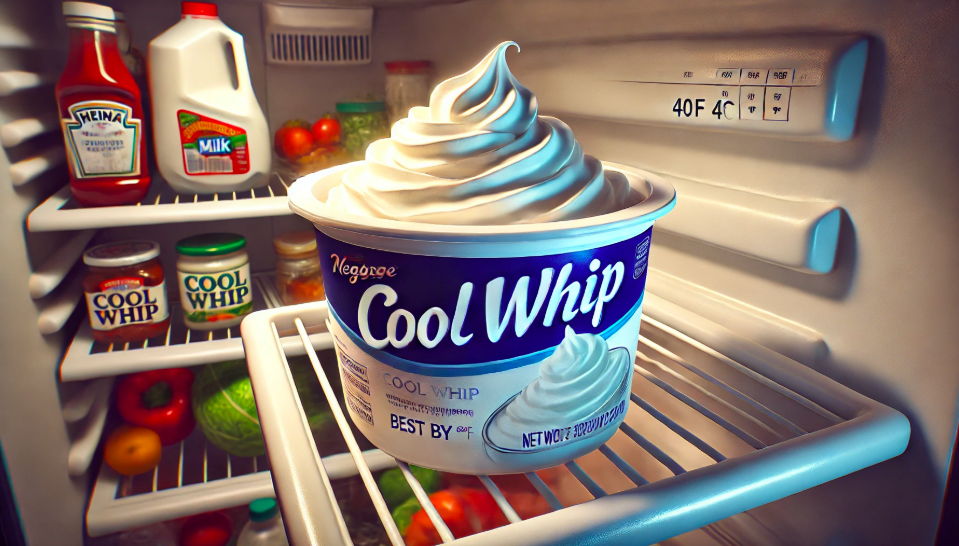
Cool Whip can typically last for about 1-2 weeks after being opened, provided it is stored properly in the fridge. If unopened, it can last until the "use by" or "best before" date printed on the packaging, which is usually a few weeks to a few months from the purchase date. Once opened, the texture and quality start to degrade, but it remains safe to consume for a short period after opening as long as there are no signs of spoilage.
What Affects The Shelf Life Of Cool Whip?
Several factors can influence how long Cool Whip lasts. The most important include temperature, exposure to air, and contamination from utensils. Storing it at a consistent, cold temperature (below 40°F or 4°C) helps maintain its freshness. If exposed to warm temperatures or left out for extended periods, the product can spoil faster. Additionally, if a utensil has been used to scoop out the Cool Whip and has come into contact with other foods, bacteria can speed up spoilage.
How Long Does Unopened Cool Whip Last?
Unopened Cool Whip can last for several weeks to months when stored in the refrigerator, depending on the "use by" date on the package. It is important to keep it refrigerated until it is ready to be used. If the packaging is intact and the product is kept at a consistent, cool temperature, unopened Cool Whip can stay good until the expiration date without significant degradation in quality.
How Long Can Opened Cool Whip Stay Fresh?
After opening, Cool Whip will typically stay fresh for about 7-14 days if kept properly refrigerated. Over time, it may lose its texture and consistency, becoming runny or watery. It’s important to keep it tightly covered and prevent contamination by using clean utensils each time you scoop it. If it’s stored properly, it can remain safe to eat for up to two weeks, but its quality may decline.
Signs Cool Whip Has Gone Bad
There are several signs that Cool Whip has spoiled. The most obvious is a change in smell, such as a sour or off odor. The texture may also become watery, clumpy, or lumpy, indicating it has gone bad. Any visible mold growth or color changes, like discoloration, are also clear indicators of spoilage. If Cool Whip has been left out at room temperature for too long, or if it has passed the expiration date, it's best to discard it.
Can You Freeze Cool Whip?
Yes, you can freeze Cool Whip. Freezing can extend its shelf life for up to 2-3 months. However, freezing may alter its texture, causing it to become runny or grainy once thawed. It is recommended to store frozen Cool Whip in an airtight container or in its original packaging to prevent freezer burn. When ready to use, it should be thawed in the fridge, not at room temperature, to avoid compromising its texture.
Best Ways To Store Cool Whip In The Fridge
To store Cool Whip properly in the fridge, keep it tightly sealed in its original container or transfer it to an airtight container if necessary. Always use clean utensils when scooping out the product to prevent contamination. Store it in the coldest part of the fridge, typically the back, away from the door where temperatures fluctuate. Keeping it at a consistent, cool temperature is key to maintaining its freshness.
How To Tell If Cool Whip Is Still Safe To Eat
To check if Cool Whip is still safe to eat, look for any signs of spoilage, such as mold, off smells, or unusual texture. If the Cool Whip has been stored correctly and is within the recommended time frame (usually a week or two after opening), it is likely still safe to eat. Always check for any discoloration or separation of liquid and solid components. If in doubt, it's better to discard it to avoid consuming spoiled food.
Does Expired Cool Whip Pose A Health Risk?
Consuming expired Cool Whip may pose a health risk, especially if it shows any signs of spoilage, such as mold, foul odor, or a sour taste. While an expired product that hasn't been opened might not immediately cause harm, it can lose its flavor and texture. If the Cool Whip has been open for some time or shows signs of spoilage, it's best to discard it. Consuming spoiled dairy products can lead to foodborne illnesses, so it’s important to always err on the side of caution when dealing with expired items.