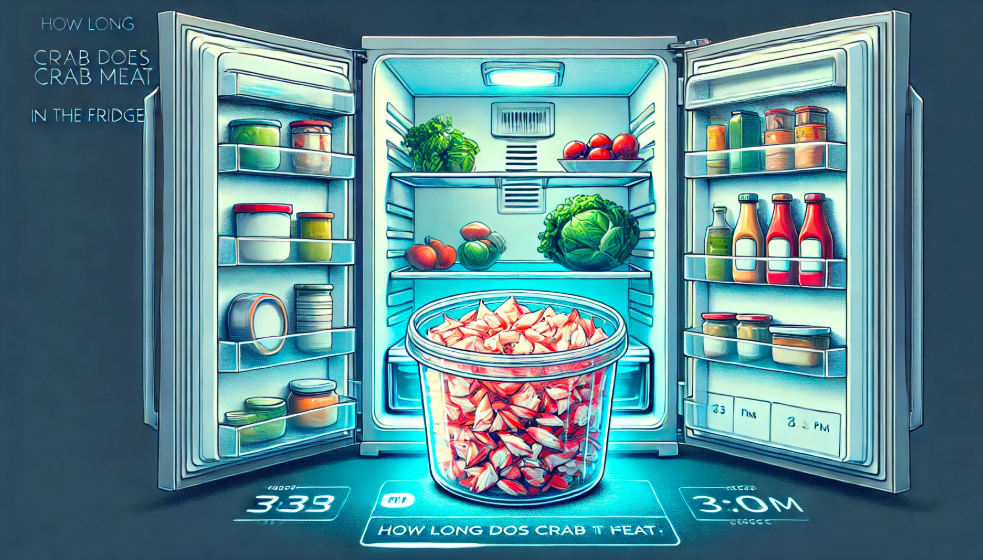
Crab meat is delicious but highly perishable, making proper storage essential for maintaining its freshness and ensuring it’s safe to eat. When stored correctly in the fridge, the shelf life of crab meat depends on whether it is raw or cooked.
If you’ve purchased fresh crab meat that has not been cooked, it typically lasts in the fridge for about 1 to 2 days. It’s important to check the packaging for any "use by" or "sell by" dates, as these can offer some guidance. Since crab meat is very delicate, the sooner you consume it, the better. Always ensure that the meat is kept at a stable, cold temperature to prevent bacterial growth. For those who want to preserve raw crab meat for a longer period, freezing is an excellent option.
Factors That Affect the Freshness of Crab Meat
Several factors can affect how long crab meat stays fresh, and understanding these can help you better manage your crab meat storage:
Storage Method: Crab meat should be stored in the coldest section of the fridge, typically on the bottom shelf, where temperatures are most stable. If you’re storing crab meat that’s been cooked, it’s best to place it in a shallow container to allow it to cool down more quickly before storing it.
Handling Practices: How you handle crab meat can also affect its freshness. If crab meat is left out at room temperature for more than 2 hours, bacterial growth can occur, leading to spoilage. Always make sure to refrigerate crab meat promptly after purchasing it or cooking it to keep it safe for consumption.
Air Exposure: Oxygen is a key factor in the spoilage of crab meat. When crab meat is exposed to air, the oxidation process begins, and the meat begins to lose its freshness. Storing crab meat in airtight containers or tightly wrapping it in plastic wrap or foil helps minimize air exposure and preserves the meat's quality.
Temperature Control: The most important factor in keeping crab meat fresh is temperature. Crab meat should be stored at 38°F (3.3°C) or colder to slow down the growth of bacteria that can cause spoilage. If the temperature of the fridge fluctuates or gets too warm, the shelf life of the crab meat will be significantly reduced. It’s a good idea to check the temperature regularly using a fridge thermometer.
How to Store Crab Meat Properly in the Fridge
Proper storage is key to ensuring that crab meat lasts as long as possible without spoiling. To store crab meat properly in the fridge, follow these guidelines:
Label and Date: It’s always a good idea to label the crab meat with the date it was purchased or cooked. This will help you keep track of how long it’s been in the fridge, so you can use it within the recommended time frame.
Avoid Storing in Large Quantities: If you have a large amount of crab meat, consider dividing it into smaller portions. Smaller portions will cool down more quickly and are easier to use as needed.
Cool the Crab Meat Before Storing: If the crab meat is cooked, allow it to cool to room temperature (within two hours) before placing it in the fridge. Storing hot crab meat directly in the fridge can raise the temperature inside the refrigerator, which can cause other food to spoil.
Use Airtight Containers: Whether raw or cooked, crab meat should be stored in airtight containers or tightly wrapped in plastic wrap or aluminum foil. This will help prevent the meat from absorbing any unpleasant odors in the fridge, while also keeping it fresh for longer.
Store Quickly: After buying or cooking crab meat, it’s important to refrigerate it as soon as possible to prevent bacterial growth. Crab meat should be stored in the fridge within two hours of cooking or purchasing to keep it safe for consumption.
Signs That Crab Meat Has Gone Bad
- Crab meat is highly perishable, so it’s important to watch for signs that it has gone bad. Consuming spoiled crab meat can lead to foodborne illnesses, so always be cautious when in doubt. Here are some signs that crab meat has spoiled:
- Excess Liquid: If the crab meat is sitting in a pool of liquid, this can be an indication that it is breaking down and spoiling. Fresh crab meat should not be overly watery or slimy.
- Mold Growth: In rare cases, mold can develop on spoiled crab meat. If you see any mold or unusual growth on the meat, it should be thrown out immediately.
- Slimy Texture: When crab meat goes bad, it may develop a slimy or sticky texture. This is often a result of bacterial growth or the breakdown of proteins in the meat. If the texture feels off or slimy, it’s best to discard the crab meat.
- Discoloration: Fresh crab meat is typically white with some pink or red hues. If the meat starts to turn a grayish, greenish, or brown color, this is a clear sign that it is no longer safe to eat. Discoloration can occur when bacteria or mold begin to grow on the meat.
- Off Smell: Fresh crab meat has a mild, ocean-like scent. If the meat starts to smell sour, rancid, or like ammonia, it’s a sign that it has gone bad. This smell is caused by the breakdown of proteins and should never be ignored.
Can You Freeze Crab Meat to Extend Its Shelf Life?
Freezing crab meat is an excellent way to extend its shelf life, especially if you have a large amount that you cannot consume in a few days. Freezing helps preserve the flavor and texture of the meat. Here’s how to do it properly:
Thawing Frozen Crab Meat: When ready to use, thaw crab meat in the refrigerator overnight. Never thaw crab meat at room temperature, as this can cause bacteria to multiply and lead to foodborne illnesses.
Cooked Crab Meat: Cooked crab meat can also be frozen for up to 2 to 3 months. However, because cooked crab meat is more delicate than raw meat, its texture may suffer after freezing and thawing. Be sure to wrap it tightly and store it in an airtight container to preserve its quality as much as possible.
Uncooked Crab Meat: Raw crab meat can be frozen for up to 2 to 3 months for the best quality. Freezing it beyond this time frame will not harm the meat but can cause a decline in flavor and texture. Be sure to place the crab meat in an airtight container or heavy-duty freezer bag, removing as much air as possible before sealing.
Best Practices for Reheating Leftover Crab Meat
Reheating leftover crab meat requires some care to ensure that the meat doesn't become tough or overcooked. Here are the best practices for reheating:
Avoid Overheating: Reheat crab meat only once and consume it immediately after reheating. Repeated heating can cause the meat to lose its texture and flavor.
Microwave: If you’re using the microwave, place the crab meat in a microwave-safe dish and cover it loosely with a damp paper towel. Heat in short intervals, stirring gently, to ensure the meat doesn’t dry out.
Gentle Reheating: When reheating crab meat, do so slowly over low heat to avoid making it tough. Use a skillet over medium-low heat, adding a small amount of butter or oil to keep the meat moist.
Thaw First: If the crab meat is frozen, make sure to thaw it in the refrigerator overnight. Avoid using a microwave to thaw the meat, as this can result in uneven thawing.
How Long Does Cooked Crab Meat Last in the Fridge?
Cooked crab meat typically lasts 3 to 5 days in the fridge when stored properly. To ensure it remains fresh for this duration, make sure the meat is stored in an airtight container and placed in the coldest part of the refrigerator. If you don’t think you can eat the leftovers within this time frame, consider freezing them for later use.
Health Risks of Eating Expired Crab Meat
Eating expired or spoiled crab meat can lead to foodborne illnesses, such as food poisoning. Some symptoms to watch out for include:
- Fever in some cases
- Diarrhea
- Nausea or vomiting
- Stomach cramps and discomfort