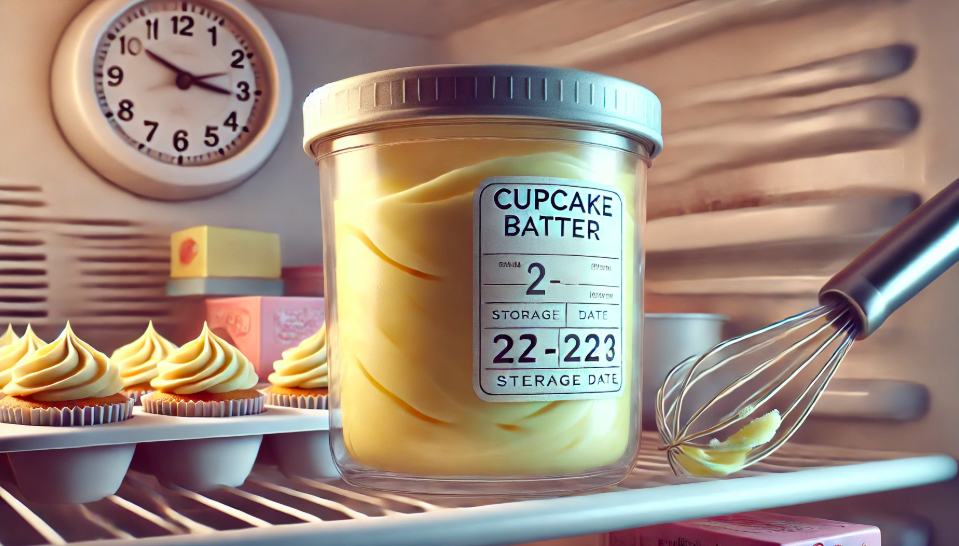
Cupcake batter can typically last in the fridge for about 1 to 2 days when stored properly in an airtight container. After this period, the leavening agents (like baking powder or baking soda) begin to lose their effectiveness, which can result in cupcakes that don't rise as expected. To ensure the best results, it’s recommended to bake the batter within 24 hours. If you plan to store it longer, freezing the batter is a better option, as it can last for up to 3 months in the freezer. Always check the batter for any signs of spoilage, such as an off smell or discoloration, before using it.
Understanding Cupcake Batter Storage
To store cupcake batter effectively, you can refrigerate it for up to 24 hours if you plan to bake soon. Simply cover the batter with plastic wrap or place it in an airtight container to prevent it from absorbing odors. Refrigeration slows down the leavening process, which helps maintain the right texture. If you need to store the batter for longer, freezing is a good option. You can freeze the batter in portions, either in an airtight container or a freezer-safe bag, and it will stay fresh for up to a month. Before baking, make sure to let the batter come to room temperature to ensure it bakes evenly. If the batter has been stored for a long time, check for any changes in texture or smell. For the best results, avoid overmixing the batter and use fresh ingredients, particularly the leavening agents, to ensure your cupcakes rise and bake perfectly.
How Long Can Cupcake Batter Stay In The Fridge?
Cupcake batter can typically be stored in the fridge for up to 24 hours. However, it is best to use it within this time frame for the best texture and rise when baked.
Here’s why:
1. Leavening Agents: Cupcake batter often includes ingredients like baking powder or baking soda. These ingredients start to activate as soon as they are mixed with wet ingredients. If you leave the batter in the fridge for too long, it might lose some of its rising power, and the cupcakes may not rise as well.
2. Storage Tips: To store the batter, cover it tightly with plastic wrap or place it in an airtight container. This helps keep it from drying out or absorbing smells from other foods in the fridge.
3. Before Baking: When you're ready to bake, give the batter a quick stir to make sure it's evenly mixed again.
4. Freezing Option: If you want to store the batter longer, freezing it is an option. You can freeze cupcake batter for up to 3 months. Just scoop it into muffin tins, freeze, and then transfer to a freezer-safe container. When ready to bake, let it thaw in the fridge for a few hours and bake as usual.
Best Practices For Storing Cupcake Batter
To properly store cupcake batter, it’s best to keep it in an airtight container, either in the fridge or freezer depending on when you plan to use it. If you’re planning to bake the cupcakes within a few hours or the next day, storing the batter in the refrigerator is fine; just be sure to use it within 24 hours to maintain the best quality. For longer storage, you can freeze the batter, and it will last up to 3 months. When freezing, make sure the batter is placed in a freezer-safe, airtight container or resealable freezer bag, and don’t forget to label it with the date. To thaw frozen batter, place it in the fridge overnight or leave it at room temperature for 1-2 hours—avoid using the microwave as it can affect the batter’s texture. Once thawed or after being refrigerated, gently stir the batter before using to ensure the ingredients are well-mixed. Finally, when baking, make sure not to overfill the cupcake liners; filling them about 2/3 full will give the batter room to rise properly. By following these simple steps, you’ll ensure that your cupcake batter stays fresh and bakes evenly.
Can You Freeze Cupcake Batter For Longer Storage?
Yes, you can freeze cupcake batter for longer storage. Freezing cupcake batter is a convenient way to make cupcakes in advance and bake them when you’re ready. Here’s how you can do it:
How To Freeze Cupcake Batter
- Prepare the Batter: Make the cupcake batter as you normally would. Once it’s mixed, stop before you fill the cupcake liners.
- Portion the Batter: Use a spoon or ice cream scoop to divide the batter into individual portions. You can use a muffin tin or silicone cupcake liners to help shape the batter.
- Freeze the Batter: Place the batter-filled liners on a baking sheet and freeze them for 1-2 hours until they’re solid. This way, they won’t stick together.
- Store the Frozen Batter: After freezing, transfer the batter portions into an airtight container or freezer bag. Make sure to label the bag with the date, so you know how long it's been frozen.
How To Reuse Leftover Cupcake Batter
Reusing leftover cupcake batter is a great way to avoid waste and make the most of your ingredients. Here’s how you can do it properly, based on practical advice from experienced bakers.
1. Store Leftover Batter Properly
If you have leftover cupcake batter, you can store it for later use. Here’s how:
- Cover and refrigerate: Place the batter in an airtight container or cover the bowl tightly with plastic wrap. It can be kept in the fridge for up to 24 hours.
- Freezing: If you need to store it for a longer time, freezing is a good option. Transfer the batter to a freezer-safe container or a freezer bag. It can be frozen for up to 3 months. When you're ready to use it, just let it thaw in the fridge overnight.
2. Reusing The Batter
After storing the batter, when you’re ready to bake, keep these things in mind:
- Stir gently: The batter may thicken or separate while stored. Just give it a gentle stir before baking.
- Check the texture: If it seems too thick after storage, add a tablespoon or two of milk or water to get it back to the right consistency.
3. Baking Tips For Leftover Batter
- Bake soon after: Try to bake the leftover batter as soon as possible after it’s been stored. The longer the batter sits, the less fluffy it may become.
- Fill cupcake liners correctly: Don’t overfill the cupcake liners if the batter has been sitting for a while, as it may not rise as much as freshly made batter. Fill them about two-thirds full to ensure even baking.
4. Other Ways To Use Leftover Batter
- Pancakes or Waffles: If you have leftover cupcake batter, it can also be used to make pancakes or waffles. Just pour the batter onto a hot griddle or waffle iron and cook as usual.
- Muffins or Cake: If you don’t have enough batter for cupcakes, pour the leftover batter into a muffin tin or a cake pan. You may need to adjust the baking time, but the result will be just as delicious.
Signs Cupcake Batter Has Gone Bad
Cupcake batter, like any other food, can go bad over time. It’s important to know the signs so you can avoid using batter that might cause illness or spoil your cupcakes. Here are some clear signs that cupcake batter has gone bad:
1. Off Smell
- Fresh cupcake batter should smell sweet or neutral. If it smells sour, like spoiled milk, or has a rancid odor, it’s a sign that the batter has gone bad.
2. Discoloration
- If the batter changes color, like turning brown or having any mold growth, it’s not safe to use. This could be due to bacteria or yeast growth.
3. Bubbles Or Foam
- Fresh batter might have some bubbles from the mixing process, but if the batter starts to foam or has too many bubbles, it could mean the leavening agents (like baking powder or baking soda) have started reacting too early, or bacteria have started to grow.
4. Separation
- Sometimes, the liquid in the batter may separate from the solid ingredients. While this can happen with some batters over time, if it happens in a way that can’t be easily mixed back together, it could be a sign that the batter has spoiled.
5. Unusual Texture
- Cupcake batter should be smooth and thick but not runny. If it becomes watery or has an odd, curdled texture, it's best to discard it.