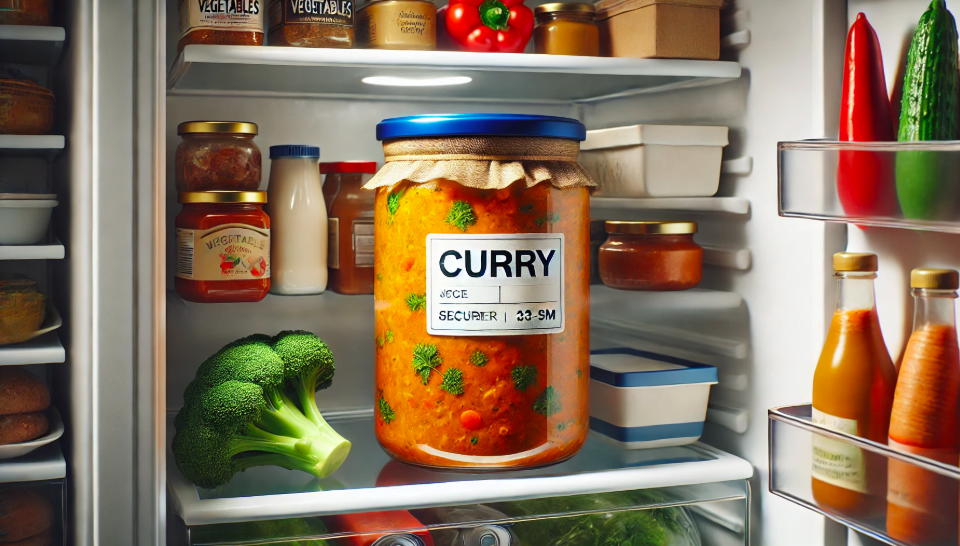
Curry typically lasts 3 to 4 days in the fridge when stored properly in an airtight container. This time frame ensures the curry remains safe to eat and retains its flavor. However, the exact duration may depend on the ingredients used. For example, curries with dairy or seafood tend to spoil faster than those with just vegetables or lentils. To keep the curry fresh, avoid leaving it at room temperature for more than two hours, as bacteria can grow rapidly. Always check for signs of spoilage, such as an unusual smell, discoloration, or a slimy texture, before consuming. If you're unsure about the freshness, it's better to discard it.
Ideal Refrigeration Time for Curry
To keep your curry safe and tasty, it's best to store it in the refrigerator within two hours of cooking. Properly stored, curry can last in the fridge for up to 3 to 5 days.
Tips for Storing Curry:
1.Cool Before Refrigerating: Let the curry cool to room temperature before placing it in the fridge. This helps prevent bacterial growth.
- Use Airtight Containers: Store the curry in airtight containers to keep it fresh and prevent it from absorbing other odors.
- Reheat Safely: When reheating, ensure the curry reaches a temperature of 165°F (74°C) to kill any harmful bacteria.
Types of Curry and Their Fridge Life
Curry is a flavorful dish enjoyed worldwide, with many varieties differing in ingredients and preparation methods. Here's an overview of some popular types of curry and their typical refrigerator shelf life:
1. Indian Curries:
- Butter Chicken: A creamy tomato-based curry with tender chicken pieces.
- Chicken Tikka Masala: Grilled chicken chunks in a spiced tomato-cream sauce.
- Rogan Josh: Aromatic curry with tender lamb pieces.
- Korma: A mild curry made with yogurt, cream, and ground nuts.
- Vindaloo: A spicy curry with a tangy flavor, often made with pork.
Shelf Life: Indian curries typically last 3 to 4 days in the refrigerator when stored properly.
2. Thai Curries:
- Green Curry: A spicy curry made with green chilies, coconut milk, and herbs.
- Red Curry: A hotter curry made with red chilies and coconut milk.
- Yellow Curry: A milder curry with turmeric and coconut milk.
Shelf Life: Thai curries can last up to 3 to 4 days in the refrigerator.
3. Japanese Curry:
- Katsu Curry: Breaded and fried pork or chicken cutlet served with curry sauce.
- Vegetable Curry: A mild curry with assorted vegetables.
Shelf Life: Japanese curries generally last 3 to 4 days in the refrigerator.
Best Practices for Storing Curry in the Fridge
To keep your curry fresh and safe to eat, follow these simple steps:
Store in the Coldest Part of the Fridge: Keep the curry in the coldest area of your refrigerator, usually at the back of a shelf, to maintain a consistent temperature.
Label the Containers: Write the date you cooked the curry on the container. This helps you keep track of how long it's been stored.
Avoid Leaving Curry at Room Temperature: Do not leave curry out for more than two hours, as bacteria can grow quickly at room temperature.
Can You Reheat Refrigerated Curry?
Yes, you can safely reheat refrigerated curry. To ensure it's both safe and tasty, follow these steps:
Methods:
- Stovetop: Place the curry in a pot over medium heat. Stir occasionally to prevent sticking. If the curry is too thick, add a little water or broth to reach your desired consistency.
- Microwave: Transfer the curry to a microwave-safe bowl. Cover it loosely to allow steam to escape. Heat on medium power in short intervals, stirring in between, until it's hot all the way through.
Safety Tips:
- Reheat Only Once: It's safest to reheat curry only once. Repeated reheating can increase the risk of foodborne illnesses.
- Avoid Overheating: Overheating can change the texture and flavor of the curry. Reheat it just until it's hot enough to eat
Signs Your Curry Has Gone Bad
To ensure your curry remains safe and enjoyable, it's important to recognize signs that it may have spoiled. Here are some indicators to watch for:
1. Unpleasant Odor: If your curry emits a sour, rancid, or off-putting smell, it's a clear sign of spoilage. Fresh curry should have a rich, aromatic scent.
2. Mold Growth: Visible mold on the surface or inside the container indicates contamination. Mold can appear as fuzzy spots in various colors.
3. Color Changes: A significant change in color, such as darkening or fading, suggests that the curry has spoiled.
4. Texture Alterations: If the curry becomes slimy, watery, or develops an unusual texture, it may be unsafe to eat.
5. Sour or Off Taste: Tasting a small amount can help determine if the curry has gone bad. A sour or unpleasant taste is a strong indicator of spoilage.
Freezing vs. Refrigerating Curry
Storing curry properly is essential to maintain its quality and ensure food safety. Here's a straightforward comparison of freezing and refrigerating curry:
Refrigerating Curry:
- Storage Duration: Refrigerated curry remains safe to eat for 2 to 3 days.
- Preparation: After cooking, allow the curry to cool to room temperature. Once cooled, transfer it to airtight containers and place it in the refrigerator.
- Reheating: When ready to eat, reheat the curry thoroughly on the stove or in the microwave until it reaches a temperature of at least 70°C (165°F).
Freezing Curry:
- Storage Duration: Frozen curry can be stored for up to 3 months.
- Preparation: Cool the curry to room temperature. Portion it into airtight containers or freezer-safe bags, leaving some space for expansion. Label each container with the date and type of curry.
- Thawing and Reheating: Thaw frozen curry in the refrigerator overnight. Reheat thoroughly on the stove or in the microwave until it reaches 70°C (165°F).