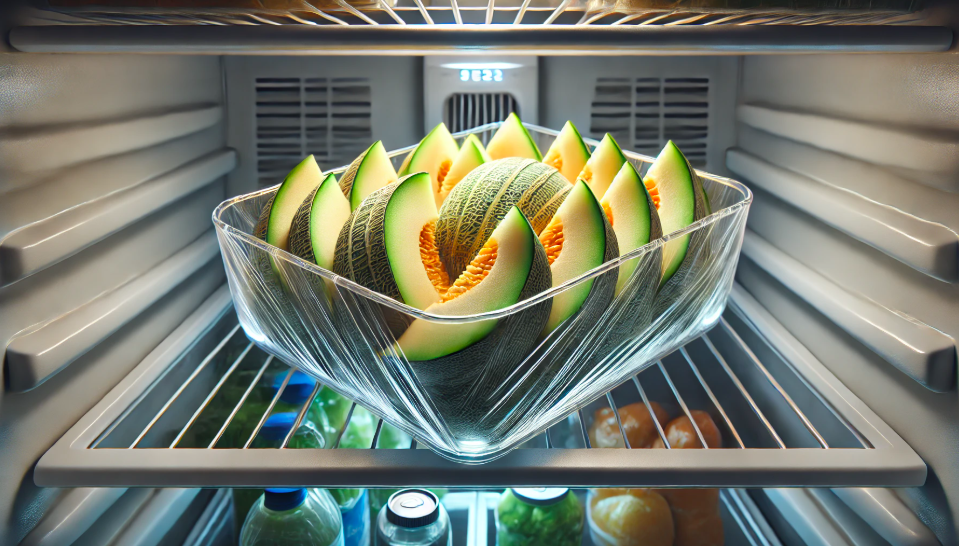
Cut melon typically lasts about 3 to 5 days in the fridge when stored properly. To ensure it stays fresh, the melon should be kept in an airtight container or wrapped tightly with plastic wrap to prevent exposure to air, which can lead to spoilage. The shelf life can vary slightly depending on the type of melon—watermelon, cantaloupe, and honeydew may last a bit differently, but generally, they all stay fresh for about 3 to 5 days. After this period, the melon may begin to lose its flavor, texture, and become mushy. It’s essential to check for any signs of spoilage, such as an off smell, slimy texture, or mold, before consuming.
How To Store Cut Melon To Maximize Freshness
To store cut melon and maximize its freshness, first place it in an airtight container or wrap it tightly with plastic wrap to prevent air exposure. Keep the container in the refrigerator to slow down spoilage, as the cool temperature helps preserve the melon’s texture and flavor. It’s best to consume cut melon within 2 to 3 days for optimal freshness. Avoid storing melon alongside strong-smelling foods like onions or garlic, as it can absorb these odors. If you have different types of melon, such as cantaloupe and watermelon, store them separately to prevent the flavors from mixing. Before eating, always check for any signs of spoilage, such as a slimy texture or sour smell. If you want to store melon for a longer period, freezing is an option. Cut the melon into cubes, freeze them on a baking sheet, and then transfer the pieces to a freezer-safe bag. Frozen melon can last up to 6 months, though it may lose some of its texture when thawed.
Can You Freeze Cut Melon For Longer Storage?
Yes, you can freeze cut melon for longer storage. Freezing melon helps preserve its freshness and taste for a longer time. However, it’s important to know how to freeze it properly to maintain its quality.
How To Freeze Cut Melon:
1. Prepare the Melon:First, wash the melon and cut it into smaller pieces, removing the rind and seeds.
2. Blot to Dry:After cutting, use a paper towel or clean cloth to gently blot the pieces and remove excess moisture. This helps prevent ice crystals from forming on the fruit.
3. Pre-Freeze (Optional):To keep the pieces from sticking together in the freezer, place the melon chunks on a baking sheet in a single layer. Freeze for 2-3 hours until the pieces are firm.
4. Storage:Once frozen, transfer the melon pieces into a freezer-safe bag or airtight container. Make sure to remove as much air as possible to avoid freezer burn.
5. Label:Don't forget to label the bag or container with the date to help you track how long it’s been in the freezer.
Different Types Of Melon And Their Refrigeration Needs
Different types of melons have varying refrigeration needs based on whether they are whole or cut. Whole melons, like watermelon, cantaloupe, and honeydew, should typically be kept at room temperature until they ripen. Once ripened, they should be placed in the refrigerator to keep them fresh. For instance, a whole watermelon can be stored at room temperature for a few days, but once cut, it must be refrigerated and consumed within 3 to 5 days. Similarly, cantaloupe and honeydew melons can be left out until they are ripe, but after cutting, they should be refrigerated and eaten within 3 to 4 days.
Other melons, like the Galia, Crenshaw, and Canary melons, follow a similar storage pattern. They can be stored at room temperature until they reach ripeness and then should be placed in the fridge. Once cut, these melons should be kept in airtight containers in the refrigerator for 3 to 5 days to maintain freshness. Bitter melons, which are often used in Asian cuisine, should always be stored in the refrigerator and typically last about a week.
The general rule for melon storage is to leave whole melons at room temperature until ripe and then refrigerate them to prolong freshness.
Optimal Temperature For Storing Cut Melon
The best temperature for storing cut melon is between 36°F (2°C) and 40°F (4°C). This keeps the melon fresh and safe to eat for a longer time.
When melons are cut, their exposed flesh is more vulnerable to bacteria growth, so it's important to keep them cool. Refrigeration helps prevent spoilage and keeps the melon at its best quality.
Here are some key points about storing cut melon:
- Refrigeration: After cutting a melon, place it in an airtight container or wrap it tightly in plastic wrap. This helps preserve moisture and prevent contamination.
- Storage time: Cut melon can last in the refrigerator for 3 to 5 days. It's best to consume it sooner for better taste and texture.
- Room temperature: Do not leave cut melon out at room temperature for more than 2 hours, as this can lead to bacteria growth and foodborne illness.
How To Revive Melon That’s Starting To Lose Freshness
To revive a melon that's starting to lose its freshness, here are some helpful tips:
1. Store It Properly
- Cool Temperature: If the melon is already cut, store it in an airtight container in the fridge. This helps preserve the moisture and freshness.
- Whole Melon: If the melon is still whole, keep it in a cool, dry place until you’re ready to eat it. Once it’s cut, refrigerate the pieces.
2. Add Moisture
- Sometimes, melons lose their juiciness as they age. To bring back some of the moisture, you can place the melon pieces in a bowl of cold water for 10-15 minutes. This can help revive its texture and taste.
3. Use A Fruit Freshness Preserver
- There are fruit freshness preservers available, which help slow down the ripening process. These products often use natural ingredients like citric acid to maintain the fruit's taste and texture.
4. Refrigerate With Other Fruits
- Keep the melon near other fresh fruits like apples or bananas in the fridge. These fruits release ethylene gas, which helps preserve the melon’s freshness.
5. Cut Into Smaller Pieces
- If the melon is starting to lose its shape, cutting it into smaller pieces and storing them properly can help prevent further deterioration and make it easier to eat.
By using these methods, you can slow down the process of the melon losing its freshness and enjoy it for a bit longer.
Signs That Cut Melon Has Gone Bad
Here are some signs that cut melon has gone bad, based on trusted sources like the USDA and food safety experts:
1. Off Smell
A sour, fermented, or overly sweet smell is a strong indicator that the melon has spoiled. Fresh melon should have a mild, sweet aroma.
2. Discoloration
If the melon has turned darker or has visible brown or mushy spots, it’s a sign that it's no longer good to eat. The flesh should stay vibrant and firm.
3. Slimy Or Sticky Texture
When cut melon gets slimy or sticky to the touch, it has started to spoil. This texture change happens as the melon’s sugars break down and bacteria grow.
4. Mold Growth
Visible mold, especially white or fuzzy spots, is a clear sign that the melon has gone bad. Mold can grow quickly on fresh fruit after it’s been cut.
5. Soft Or Mushy Texture
If the melon feels soft or mushy when pressed, it’s starting to break down. Fresh melon should be firm but not hard, with a little give when gently pressed.
6. Change In Taste
If the melon tastes sour or has a fermented flavor, it's no longer safe to eat. Fresh melon has a refreshing, sweet taste.