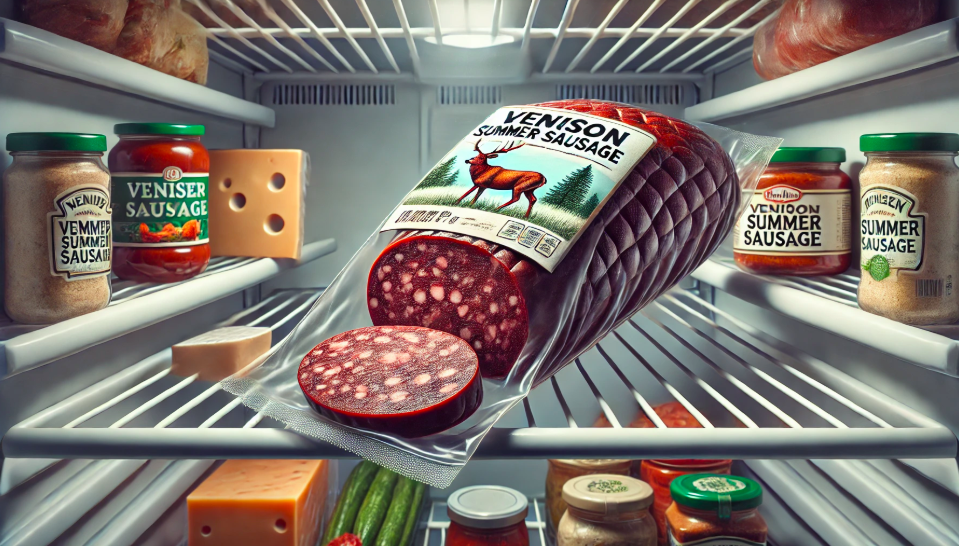
Deer summer sausage can last about 3 to 4 weeks in the fridge if it is unopened. Once you open it, you should use it within 3 weeks for the best quality.
To store it properly, make sure to keep it in an airtight container or wrap it tightly in plastic wrap or foil to prevent air from getting in. If the sausage is homemade, it may last a bit less time, so always check for signs of spoilage, such as off smells or mold.
For longer storage, you can freeze the sausage, which can help it last for 3 to 4 months. When you want to eat it, just thaw it in the fridge before eating.
Factors Affecting The Shelf Life Of Deer Summer Sausage
The shelf life of deer summer sausage depends on several key factors that influence how long it stays safe to eat and maintains its quality. Here are the main factors affecting the shelf life of deer summer sausage:
Storage Temperature:
Keeping the sausage at a consistent, cool temperature is crucial. Summer sausage should be stored in a refrigerator or freezer to prevent the growth of bacteria and mold. If left at room temperature for too long, harmful bacteria can grow, which can spoil the sausage.
Packaging:
The type of packaging used also impacts shelf life. If the sausage is vacuum-sealed, it helps keep air out, preventing the growth of bacteria and mold. The packaging helps protect the sausage from moisture, which could cause it to spoil more quickly.
Moisture Content:
The moisture content in summer sausage is another important factor. Sausages with too much moisture are more prone to bacterial growth and spoilage. On the other hand, if the sausage is too dry, it might become tough and lose flavor. The proper balance of moisture helps the sausage last longer.
Curing And Preservation Process:
The way the sausage is cured and preserved before packaging also affects how long it lasts. Summer sausage is often smoked or cured with salt, nitrates, or other preservatives. These methods help reduce bacterial growth and extend shelf life.
Exposure To Air:
The longer the sausage is exposed to air, the more it will oxidize. Oxidation can lead to off-flavors and changes in color. Vacuum-sealing the sausage or keeping it wrapped tightly reduces the amount of air that comes in contact with the sausage, helping it stay fresh for a longer time.
Quality Of Ingredients:
The quality of the meat and other ingredients used in the sausage can also play a role. Using fresh, high-quality deer meat and spices can help the sausage last longer. If lower-quality ingredients are used, the sausage may spoil faster.
Bacterial Contamination:
Bacteria can speed up the spoilage of sausage, especially if it's not handled properly during preparation or storage. Proper hygiene and careful handling during the manufacturing process help prevent contamination.
Signs That Deer Summer Sausage Has Gone Bad
Here are the signs that deer summer sausage has gone bad, based on reliable sources:
- Off Smell: If the sausage smells sour, rancid, or rotten, it's a clear sign it has spoiled. Fresh summer sausage has a pleasant, meaty aroma.
- Discoloration: If the sausage has developed an unusual color, like greenish or grayish spots, it may be spoiled. Fresh sausage should have a deep red or brownish hue.
- Slimy Texture: If the outside of the sausage feels slimy or sticky, it could be a sign that bacteria have started to grow. The texture should be firm and smooth.
- Mold Growth: If you notice mold on the surface of the sausage, it has gone bad. Mold can appear as green, blue, or white spots.
- Unusual Taste: If the sausage tastes off, sour, or stale, it’s best not to eat it. A fresh deer summer sausage should taste mildly tangy but not unpleasant.
- Excessive Dryness or Softness: Summer sausage that feels very dry or, on the other hand, unusually soft and mushy may have gone bad. The texture should be firm but moist.
- Packaging Damage or Leaks: If the packaging is damaged, swollen, or leaking, the sausage could have been exposed to air or bacteria, leading to spoilage.
It’s important to check the expiration date on the packaging and store summer sausage properly in the fridge or freezer to help prevent spoilage.
Proper Storage Tips For Maximizing Freshness
Here are some proper storage tips for maximizing freshness of common foods:
1. Fruits And Vegetables:
- Refrigerate certain fruits and vegetables like berries, leafy greens, and carrots to keep them fresh longer.
- Keep ethylene-producing fruits (like apples, bananas, and avocados) away from other produce, as this gas speeds up ripening and spoilage.
- Store root vegetables like potatoes, onions, and garlic in a cool, dry place (not the fridge) in a well-ventilated container.
- Use perforated plastic bags or containers to allow airflow and prevent moisture build-up, which can cause mold and rot.
2. Meat And Poultry:
- Refrigerate fresh meat and poultry immediately in airtight packaging or a sealed container to prevent contamination.
- Freeze excess portions of meat and poultry if you don’t plan to use them within a few days. Wrap them tightly in freezer paper or plastic wrap, then place in a freezer bag to prevent freezer burn.
- Use the "first in, first out" rule: Use older items first and place newer items behind them.
3. Dairy Products:
- Keep dairy in the coldest part of the fridge, not in the door, as the temperature fluctuates more there.
- Store milk and yogurt tightly sealed to keep out air and moisture.
- Cheese should be wrapped in wax paper or parchment, then stored in a plastic bag to allow it to breathe without drying out.
4. Bread And Baked Goods:
- Store bread in a cool, dry place, but avoid the fridge as it can make bread go stale faster.
- Freeze bread if you won’t eat it in a few days. Slice it before freezing for easy portions.
- Keep pastries and cakes in airtight containers to maintain softness and prevent them from going stale.
5. Dry Goods (Pasta, Rice, Cereal):
- Store in a cool, dry pantry in airtight containers to protect from pests and moisture.
- Keep bags or boxes tightly sealed to preserve freshness and prevent the growth of mold or mildew.
6. Nuts And Seeds:
- Store in airtight containers in a cool, dry place.
- Refrigerate or freeze if you plan to keep them for a long time to preserve freshness and prevent oils from going rancid.
7. Leftovers:
- Cool leftovers quickly (within 2 hours) and store in airtight containers in the fridge.
- Use within 3–4 days for best taste and safety, or freeze for longer storage.
- Label containers with the date to keep track of when they were stored.
Can Deer Summer Sausage Be Frozen For Longer Storage?
Yes, deer summer sausage can be frozen for longer storage. Freezing is an effective way to keep it fresh for a longer time, especially if you won’t eat it within a few weeks. Here's how to do it properly:
- Wrap the sausage tightly: Use plastic wrap or wax paper to wrap the sausage first, then cover it with aluminum foil or place it in a freezer bag. This helps prevent freezer burn, which can affect the taste and texture.
- Label the package: Write the date you’re freezing it on the packaging. Deer summer sausage can stay in the freezer for up to 6 months for best quality.
- Thawing: When you're ready to eat it, move it to the fridge and let it thaw slowly. Do not thaw it at room temperature, as this can make it unsafe to eat.
Freezing deer summer sausage helps preserve its flavor, but it may lose some of its texture over time, especially if frozen for a long period. However, it will still be safe to eat if stored properly.
Best Before Date Vs. Expiration Date For Deer Summer Sausage
When it comes to deer summer sausage, there’s a difference between the "best before date" and the "expiration date."
Best Before Date
The "best before date" is the date suggested by the manufacturer to indicate when the sausage will be at its best quality. After this date, the sausage may not taste as fresh, and its texture might change, but it is not necessarily unsafe to eat. The flavor or texture might decline, but it should still be fine to consume if properly stored.
Expiration Date
The "expiration date" is the last date the manufacturer guarantees the product will be safe to eat. After this date, the safety of the sausage can no longer be assured. Eating the sausage after this date might pose a risk of foodborne illness, especially if it has not been stored correctly.
Key Points To Remember:
- Best Before Date: For quality, not safety. The sausage might still be okay after this date, but it might not taste as good.
- Expiration Date: For safety. It is best not to eat the sausage after this date.
For both dates, always store the sausage properly (in a cool place, or refrigerated) to help extend its shelf life. Always check for any signs of spoilage, like unusual smell or color, before consuming.
How To Safely Reheat And Serve Leftover Deer Summer Sausage
To safely reheat and serve leftover deer summer sausage, follow these steps:
1. Storing Leftovers Properly
After eating, refrigerate any leftover summer sausage within two hours to prevent bacterial growth. Wrap it tightly in plastic wrap or foil, or place it in an airtight container. It should stay good for up to 3-4 days in the fridge.
2. Reheating Deer Summer Sausage
- Stovetop: Slice the sausage into pieces and heat in a skillet over medium heat for 3-4 minutes. You can add a small amount of water or broth to keep it from drying out. Stir occasionally to heat evenly.
- Microwave: Slice the sausage and place the pieces on a microwave-safe plate. Cover them with a damp paper towel to prevent drying out. Heat on medium for 30-60 seconds, checking every 30 seconds to avoid overcooking.
- Oven: Preheat the oven to 350°F (175°C). Wrap the sausage in foil and place it on a baking sheet. Heat for 10-15 minutes, checking to make sure it’s heated through.
3. Serving
Once the sausage is heated, serve it right away. You can serve it with crackers, cheese, or your favorite side dishes.
4. Avoid Reheating Multiple Times
Only reheat the amount of sausage you plan to eat. Reheating multiple times can lead to loss of flavor and texture, and it may also increase the risk of foodborne illness.